← Back to all events

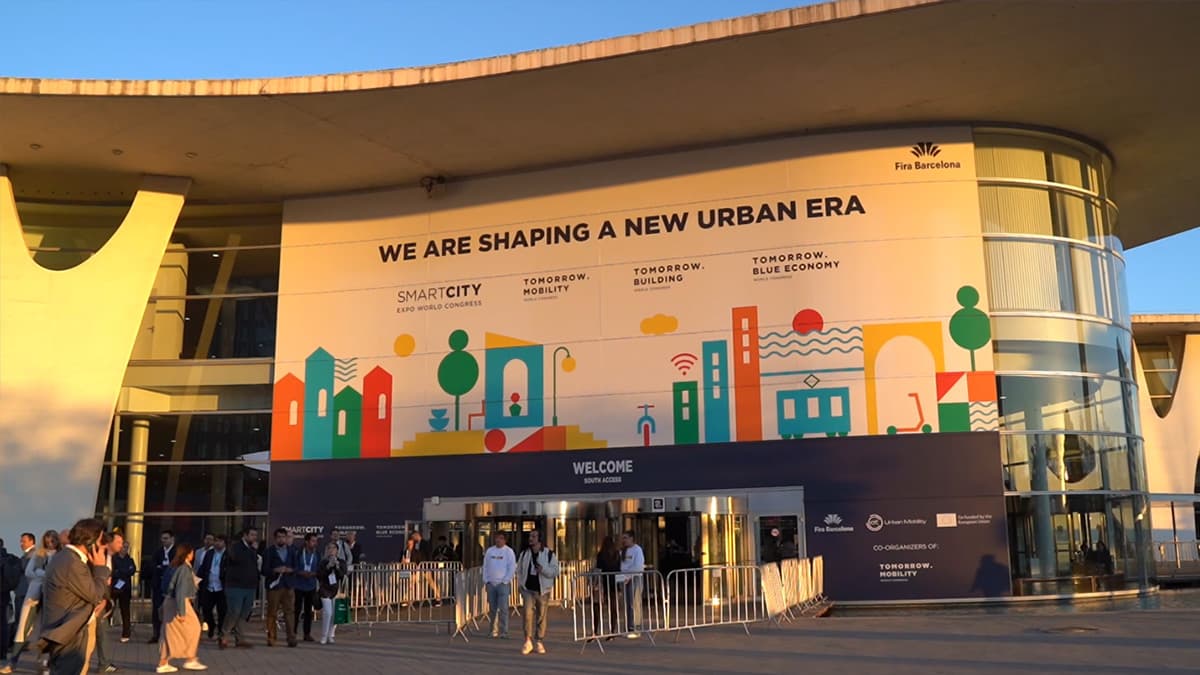
Smart City Expo World Congress Barcelona 2025
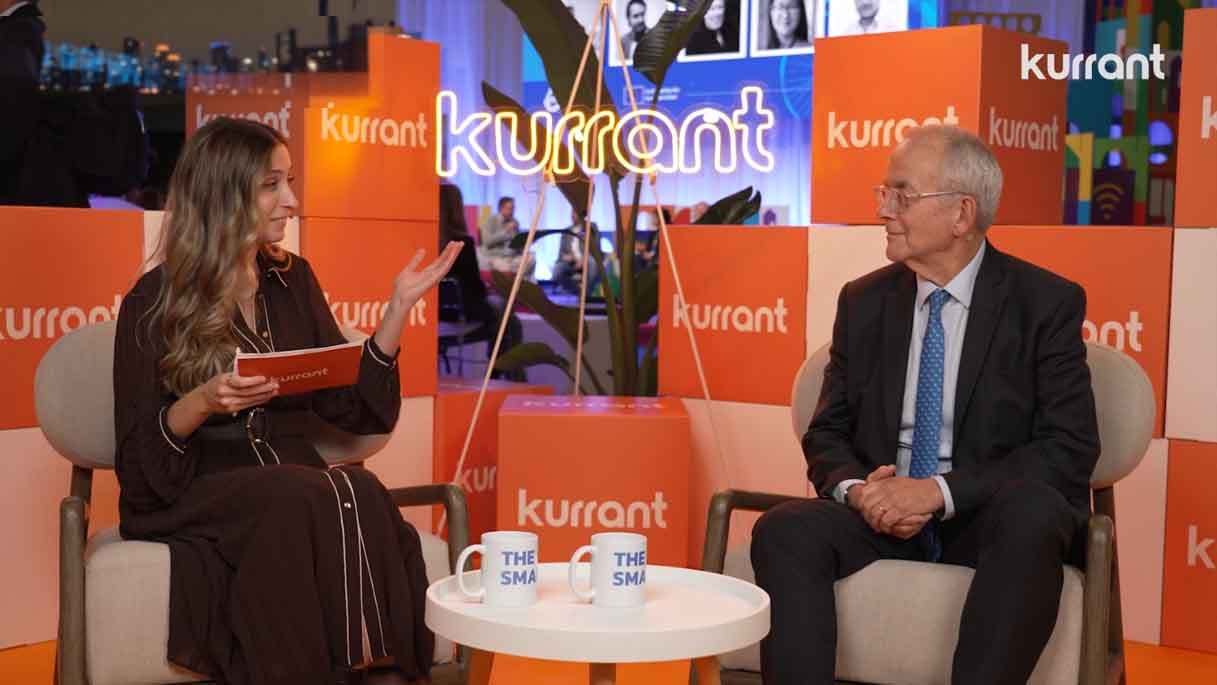
LoRaWAN Turns 10: What's next? with Alper Yegin, CEO at the LoRa Alliance
Alper Yegin, CEO at the LoRa Alliance, highlights LoRaWAN’s decade of growth with over 125M devices worldwide and 25% annual expansion. He details major use cases in water metering, smart cities, and buildings, noting deployments by Birdzand TATA Communications. Yegin emphasizes LoRaWAN’s complementarity with cellular, Wi-Fi, and Bluetooth, its increasing adoption by telcos, and innovations like satellite and energy-harvesting networks driving the next phase.
📖 Read Video Transcript
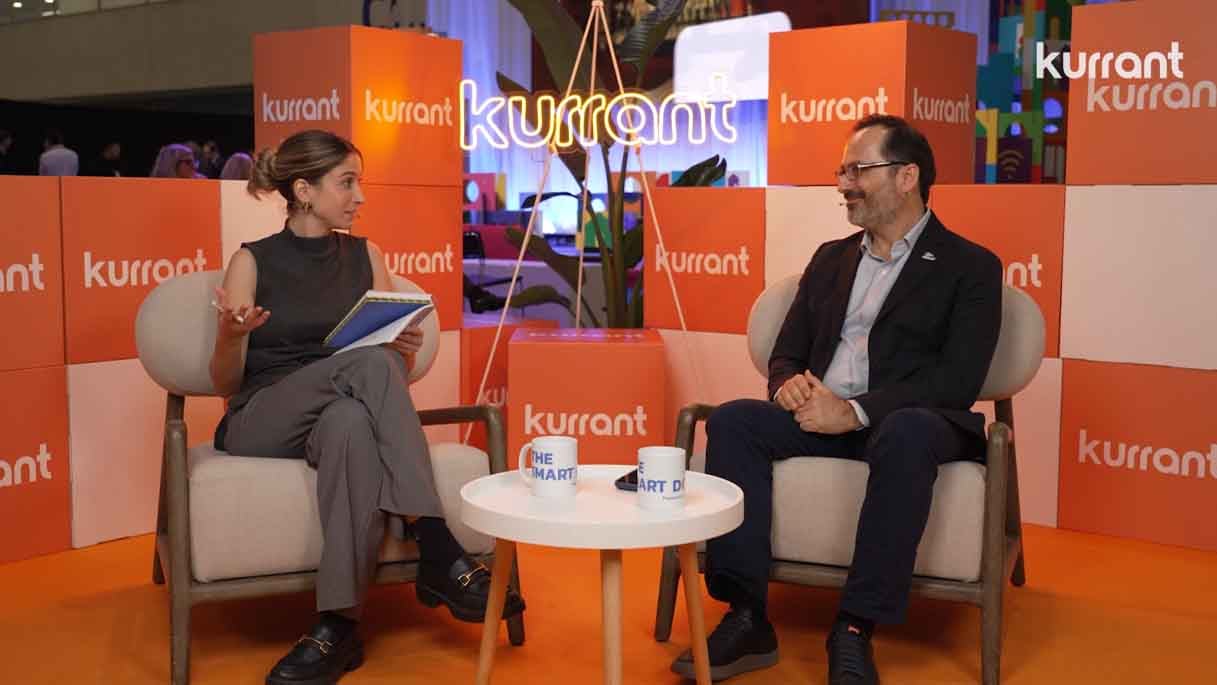
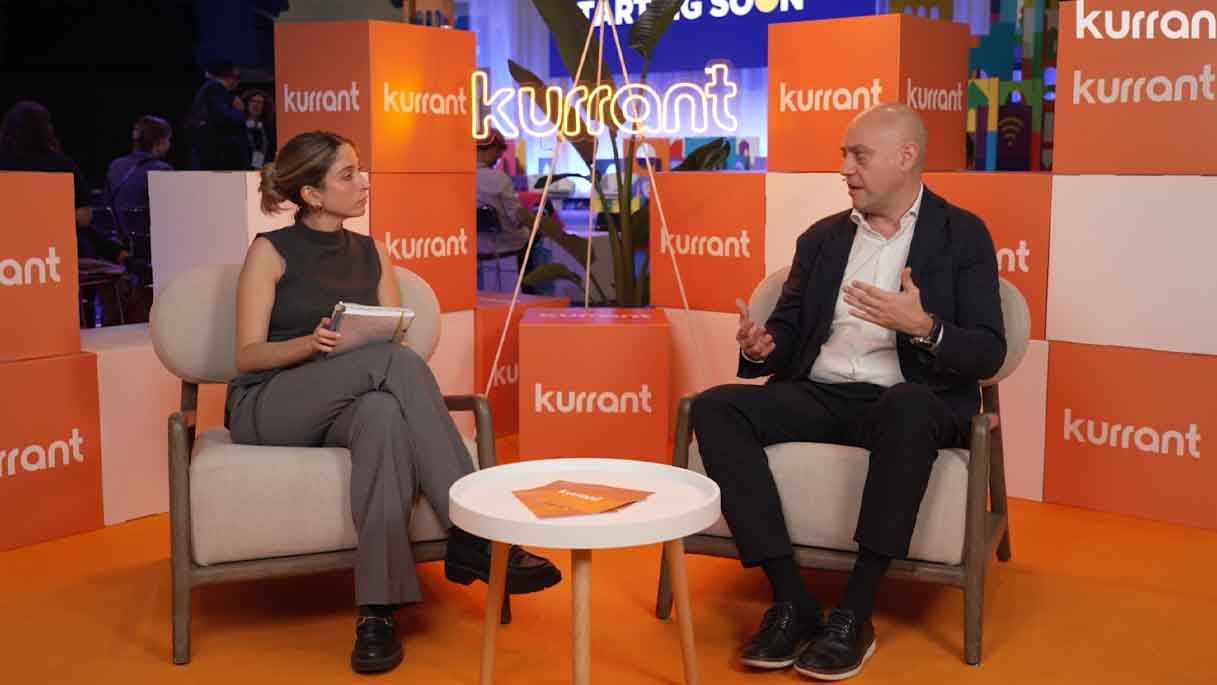
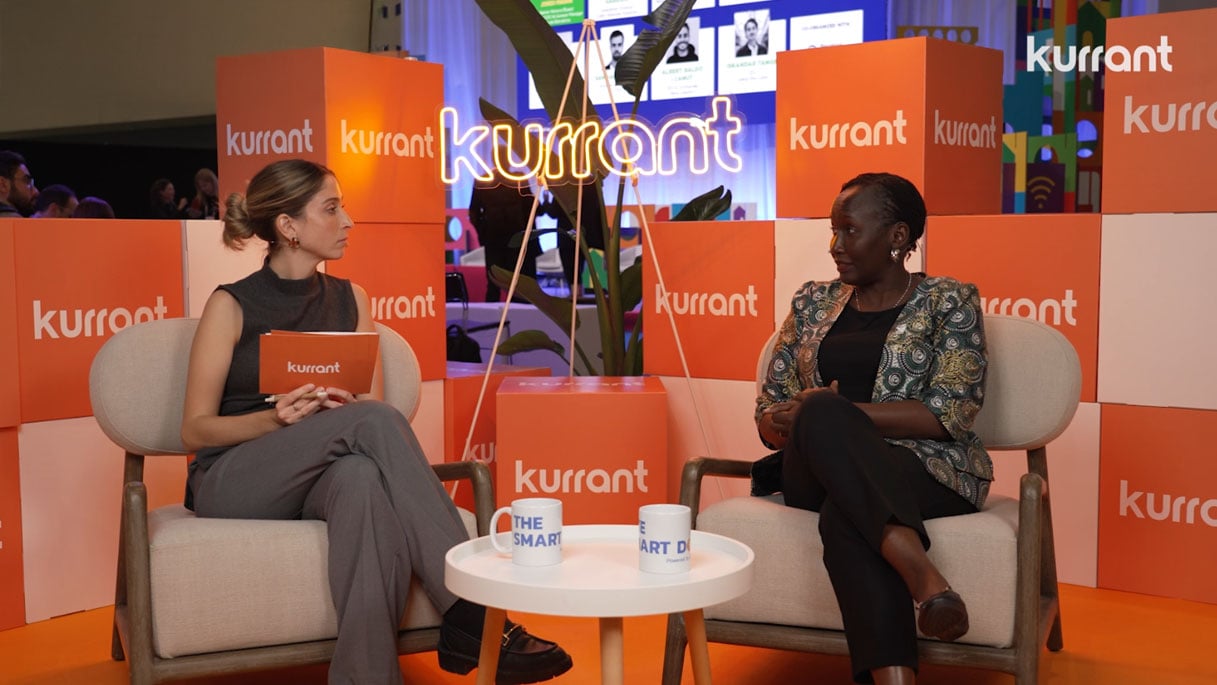
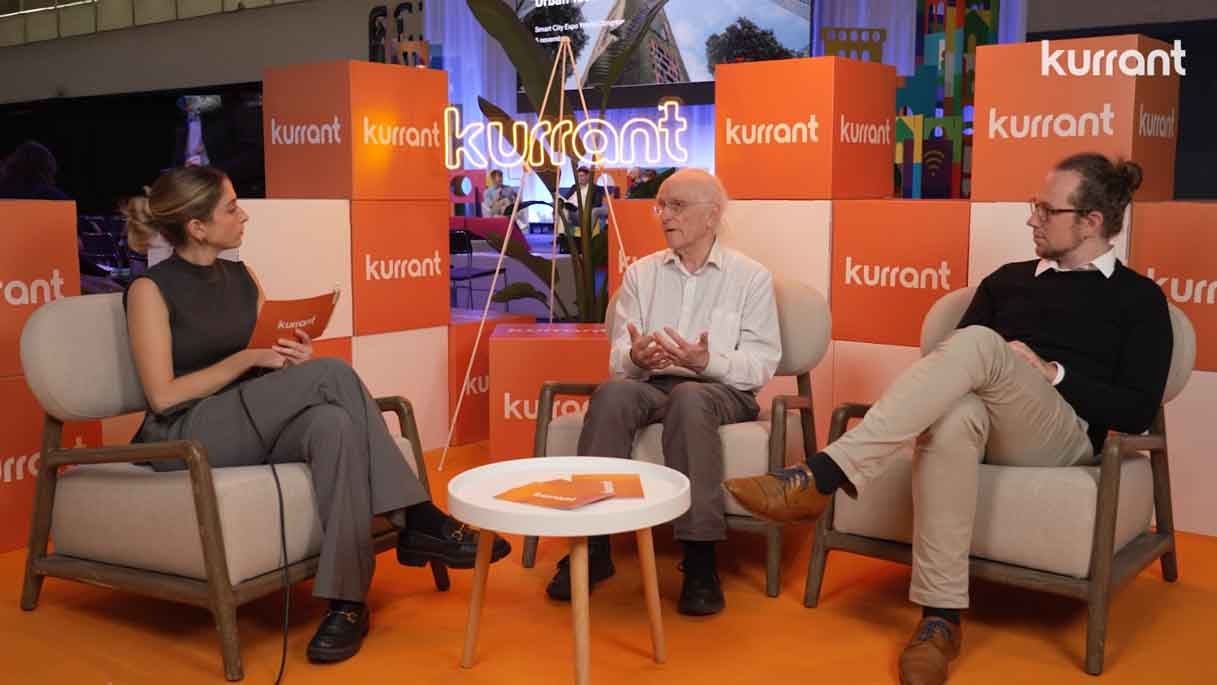
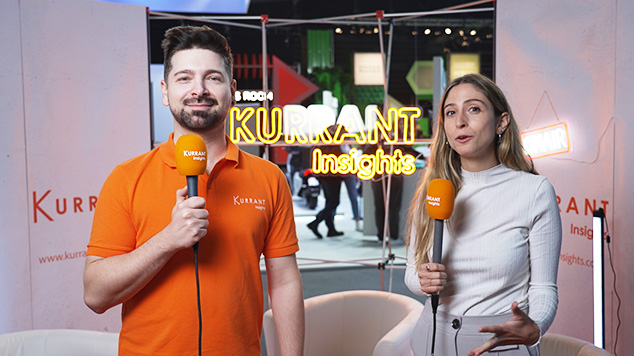
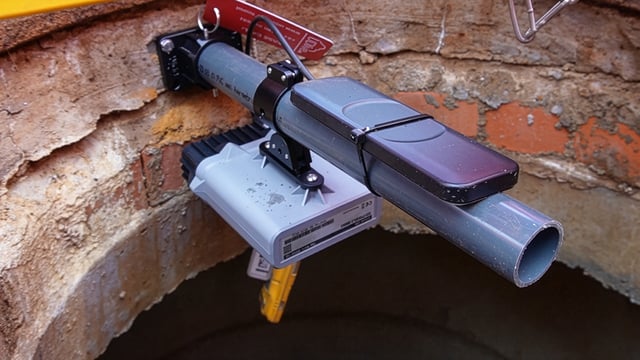
We're at the Kurrant studio with Alper Yegin He is the CEO of the LoRa Alliance, and we're going to be talking about where it's at. So the first question I'd like to ask you is about adoption. Where is adoption at? Thank you. Thanks for having this conversation. So the LoRa Alliance has been around for ten years. We are celebrating our first decade, and within that ten years, we have reached more than 360 members supporting us. And in the same time frame, the global adoption of LoRaWAN is we have more than 125 million connected LoRaWAN devices all around the world, covering all regions over seven verticals. And the growth rate we have is 25% at the moment I mean, these years, we're increasing number of connected LoRaWAN devices by 25%. So it's already an exponential growth. We are an Hockey Stick phase and the growth rate is also increasing. So yeah we are in this, highly exciting phase. Yep. Exciting numbers no? Yes, very muc. And, what is some of the main use cases you're seeing for LoRaWAN? You can tell me about it generally. And then specifically for smart cities and smart utilities. Of course so, on the utilities side, LoRaWAN has emerged as the leading technology for water metering We have many million projects around the world, starting with Veolia. A board member, is the world's largest utility. They have 3.3 million connected water meters in France. Using the nationwide LoRaWAN network operated by orange. And they are adding another million for every year for the coming years. And jumping to UK to the middle to Asia. We have other many million, connected devices, water meters utilities as well. Obviously these projects, these deployments, are taking full advantage of the long range and low powered nature of LoRaWAN, which is the perfect match for the water metering. And also, using an unlicensed band where the use of these can keep densifying these networks and also integrate public networks with their private networks to take advantage of all types of networks And then jump into the, smart cities. Right now we have a pavilion here with nine members and amongst 9 members exhibiting here, at the evevnt they have more than 100 cities already lit up with LoRaWAN. And the kind of use cases they have, spans from utilities to street lighting. By the way, street lighting is another, growth area for us. We have one member, that has more than 800,000 streetlights connected to LoRaWAN and TATA communications from India, they have 360,000 connected streetlights across India and Middle-East. so coming back to the use cases we have metering, streetlights, air quality sensors water management, wastewater management, waste collection. I we even have connected manhole sensors and flood detection, so among all the wireless communication technologies, we have the widest application portfolio, all empowered by LoRaWAN that the third, fast growing segment for us is smart buildings. So a majority of the smart buildings are using wired technologies today. When it comes to wireless, LoRaWAN again stands up for being able to penetrate through the walls and providing a very low cost infrastructure solution. And that's why we see even, several, cellular operators deploying LoRaWAN. to cater to the facility management market Okay. You had good numbers in the first answer and no good use cases in the second answer. And but obviously, LoRaWAN isn’t on their own. How does LoRa fit in the broader landscape and when we're talking about communications? Yeah. So, obviously there are several, wireless communication technologies also catering to IoT. And due to the nature of the physics, there is no single solution that can fit all cases. for that, the industry already had a plethora of, solutions. And where the LoRaWAN comes into the picture is solving the problem of providing long range, low power communication based on a standard. And this is the precise area that we have been filling in and as such LoRaWAN has been complementary to other technologies like Bluetooth, Wi-Fi and cellular communication technologies. And we are already seeing that with the industry, there are multiple solution makers and also operators and enterprises deploying a mix of these technologies. We have many tier one GSM operators that deployed both say LTE-M and LoRaWAN, like, Orange right. They have a nationwide network with LoRaWAN and LTE-M Same with KPN, same with Swisscom. And then if you were to jump to the United States, another board member of LoRa Alliance is Verizon Wireless, they have deployed LoRaWAN for the Enterprise use case of facility management and another operator form the US is AT&T. And they also have a connected service, which is based on LoRaWAN So these technologies do not only coexist, but they are complementary. And our ecosystem is taking full advantage of them depending on the use case, they're offering one or the other or both in a mix. And they're also devices emerging with multi-radio using Bluetooth for management and LoRaWAN for connectivity, or using Wi-Fi for streaming large amounts of data, and then using LoRaWAN for the management of the equipment. Very complementary coexisting and providing a better solution for the market. Okay, so has adoption with telcos gone up or stayed the same? Actually, it's been going up because as the at the early days of LoRaWAN, several operators have adopted LoRaWAN for public deployments. And now another batch of operators like GSM operators are adopting LoRaWAN for private deployments, the enterprise use case. They see LoRaWAN used in facility management in smart industry, smart cities. Even the utility deployments, some of which are based on private networks, have been empowered provided by the operators. So yes, now we see the second wave of operators picking up on this technology, to present a better portfolio of solutions to their customers and public networks is one type we have the ability to build not only public networks with LoRaWAN, but also private and community work on the ground, and also space based using satellites. And this type of mix and being able to implement it at scale is only available possible with LoRaWAN technology And this has been seen by the operators and again they're taking full advantage of that. okay. And then my last question is what can we expect next. What are the future steps, the next steps? We just have our first decade behind us and we are pushing the envelope on many fronts. One is the innovation. We're still evolving the technology, the architecture. One dimension that we're pushing the envelope is bringing LoRaWAN coverage to basically every corner of the planet through innovating, like, you know, adding relay, adding walk by drive by reading, having low cost, opening the door for low cost infrastructure and and accelerating the satellite networks. And we are also increasing the plug and play nature of our technology both for the end-device and application and the infrastructure side. So through these two things, we are pushing towards turning LoRaWAN into becoming a utility, being ubiquitously available and plug and play. And in fact, there's nothing to plug with IoT devices. They are better operated. And also we are accelerating the energy harvesting the use of energy harvesting on the LoRaWAN devices. So these devices won't even require a battery change or recharge. And so this is one dimension. And then the other dimension on the innovation side is to adopt existing legacy IoT applications run over LoRaWAN, whether they have been using wired technologies like in the industrial field or the buildings, or whether they've been using other wireless technologies. Now we come in and present something that can enable them to do the things that they have been struggling with otherwise technologies. And also on the ecosystem side, we have been, enhancing our relationship with the other, cosystems, wether they are other standards bodies, alliances or local organizations to create a win win, kind of engagement. And we've been seeing a great benefit of that. For example, our standard is, blessed by ITU. It's published as an ITU standard. We have a very good working relationship with the LMS UA and the OMS as well. having integrated their applications around LoRaWAN, so we can present LoRaWAN as an enhanced connecitivity for the existing metering industries. And we have also done work with the IETF (Internet Engineering Task Force) to support IPV6 LoRaWAN So we can enable IP based applications to run natively over LoRaWAN And so we are going to do more of those things. And that will further accelerate the adoption of LoRaWAN in the industry. As we keep tilting our adoption curve upward. Bright future ahead then. Yes, indeed. Okay. Perfect. Well thank you so much for your time and for this conversation. Thank you very much Emma
Playlist: Smart City Expo World Congress Barcelona 2025
20 videos
Day 1 - Kicking off the Smart City Expo Barcelona 2025
The Smart Deal 2025: Pitch Day Highlights
The Smart Deal Reveal - Overview
LoRaWAN Turns 10: What's next? with Alper Yegin, CEO at the LoRa Alliance
Rochelle Haynes on Building Data-Driven, Equitable and AI-Ready Cities
Investing in Smart Mobility: Bridging Innovation and Infrastructure (Panel)
AI to Optimize Waste Management Across Cities with Daniel Panadero González
LA Street Lighting’s Smart City Playbook with Miguel Sangalang
Madrid’s Digital Strategy with Sonia Crespo Nogales
Gérard Wolf on The French Recipe for Sustainable Cities Video
Data From the Streets: Rethinking Smart Cities in Africa with Edgar Pieterse
Aleksander Rajch on the Future of Mobility in Central Eastern Europe
Scaling Urban Innovation with Gianmarco Piola and Pedro Moreira
From Living Labs to Trustworthy Data with Josep Laborda
Driving Europe’s Digital Future with Chiara Venturini
The Future of Urban Road Safety with Luca Pascotto
Building Smart, Equitable Cities with Debra Lam
Connecting Every School by 2030 with Irene Kaggwa
Smart City Expo 2025: The Wrap-Up
How AI and Accessibility Will Transform Urban Mobility with UCL Experts
More Smart City Expo World Congress Barcelona editions
🎥 Recent Event Coverage
🎬 Kurrant Originals

📰 Latest News
© Kurrant. All Rights Reserved. · Editorial Standards · Cookie settings
This site is protected by reCAPTCHA and the Google Privacy Policy and Terms of Service apply.