← Back to all events
Smart City Expo World Congress Barcelona 2025
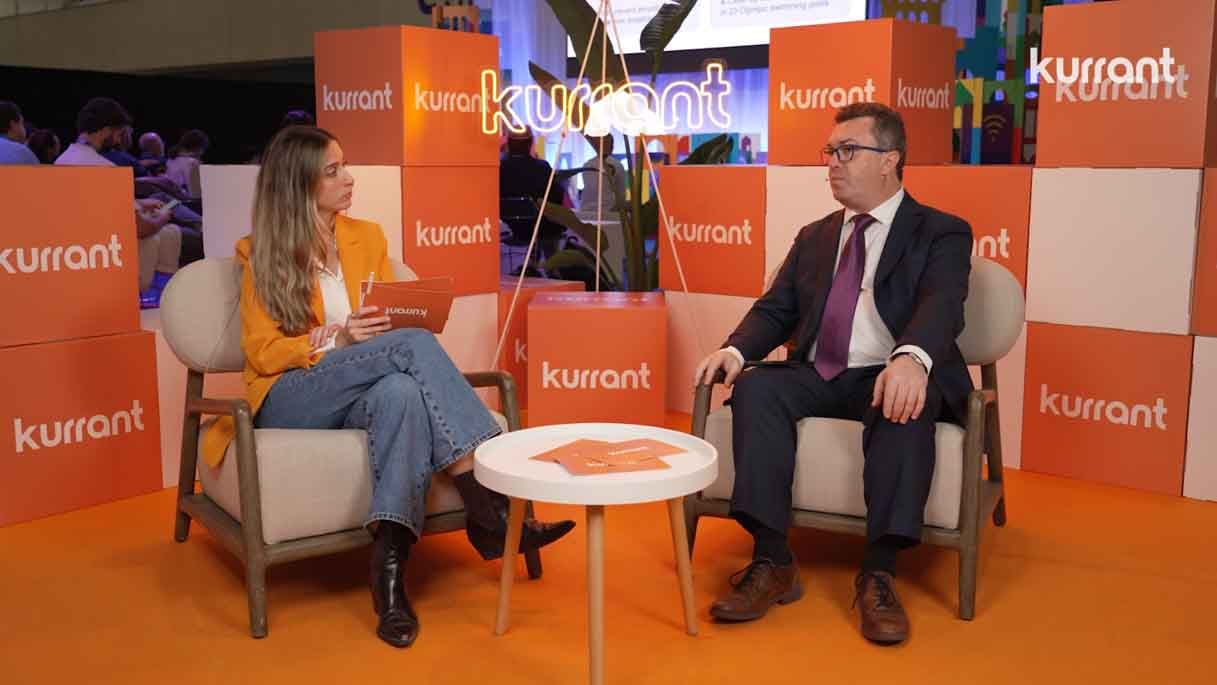
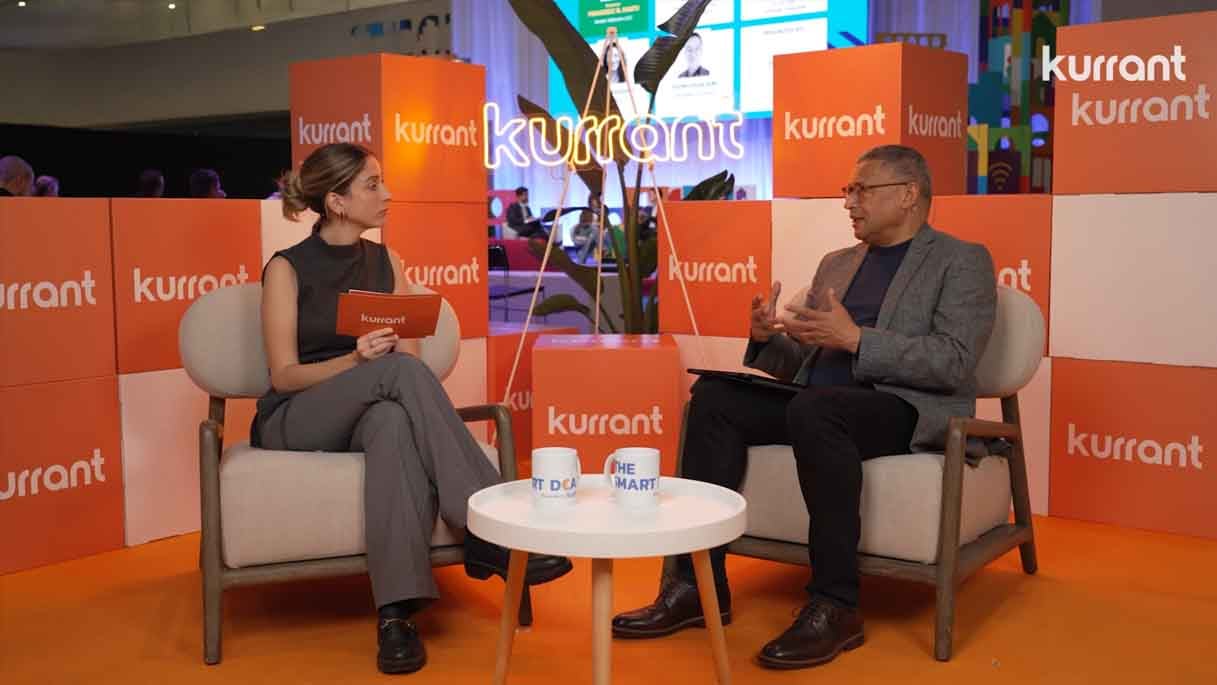
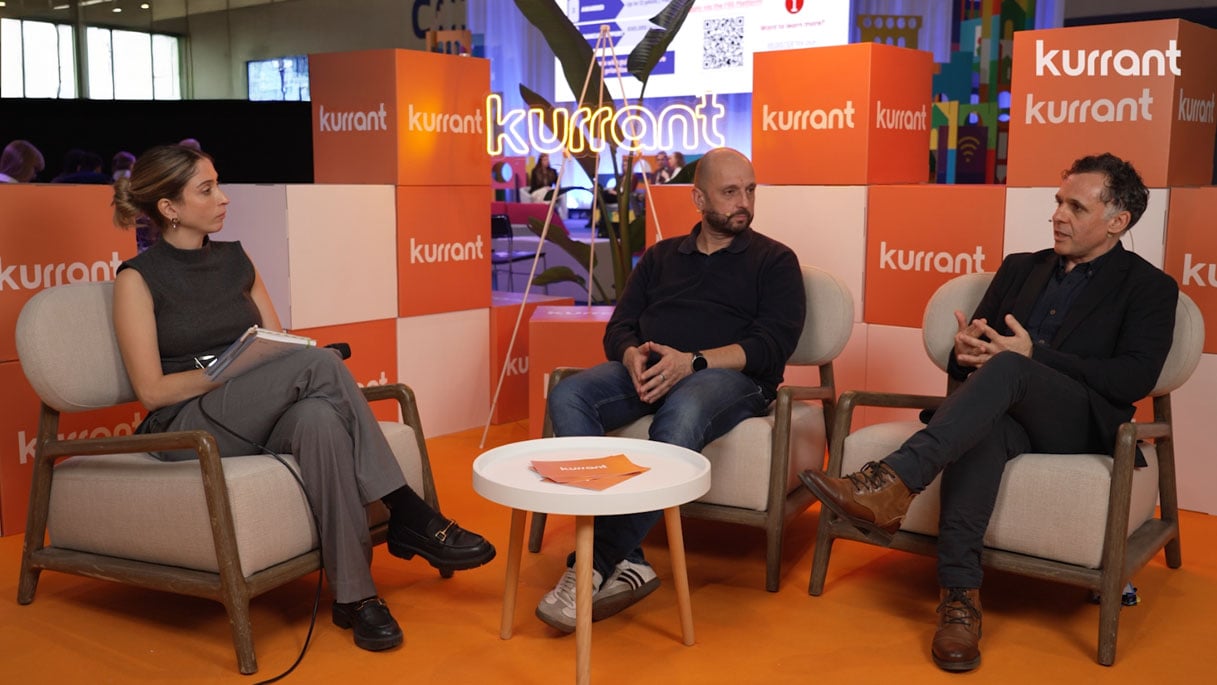
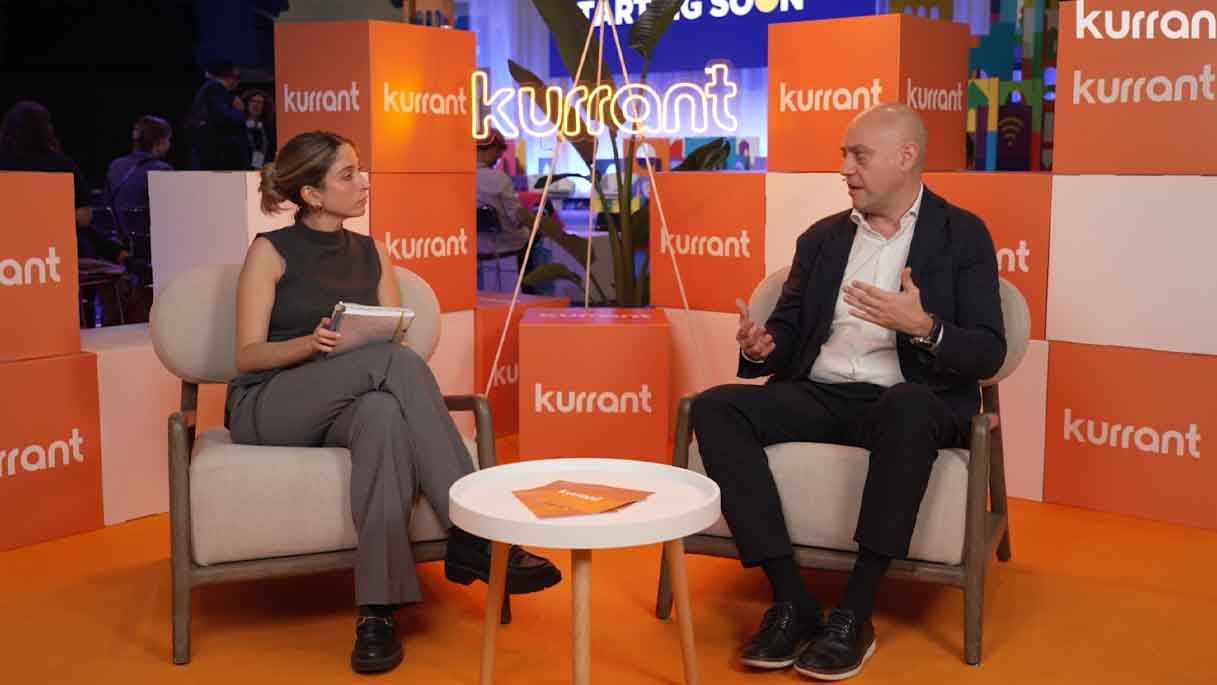
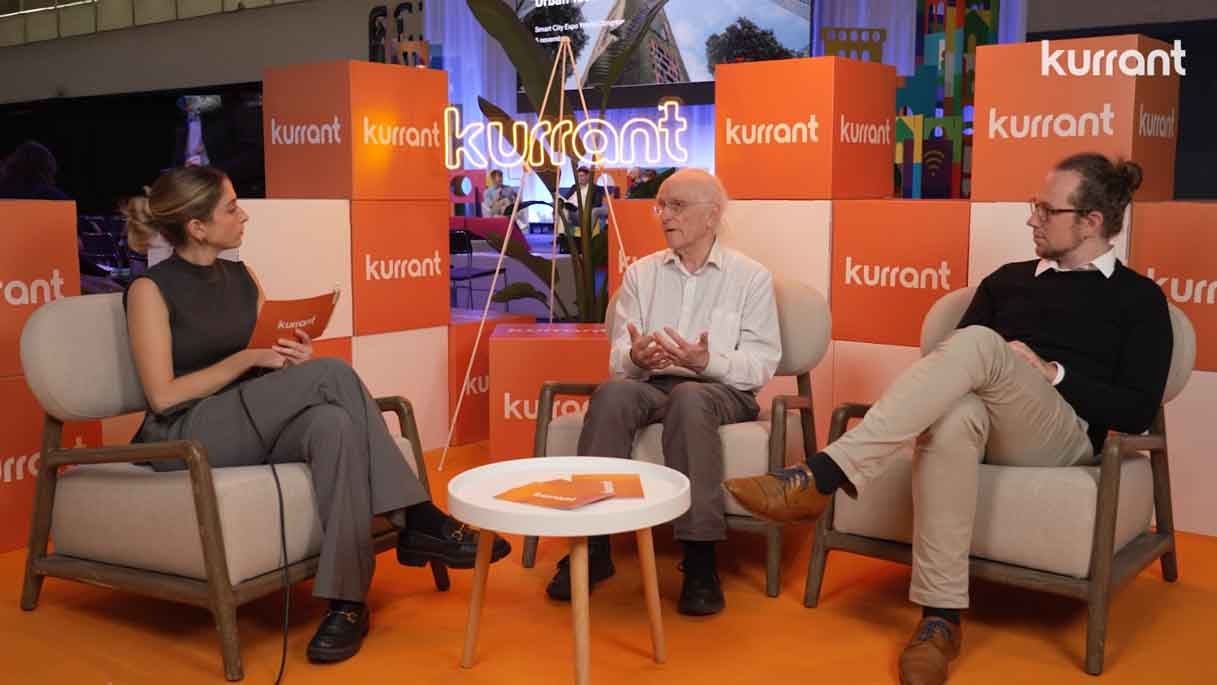
Scaling Urban Innovation with Gianmarco Piola and Pedro Moreira
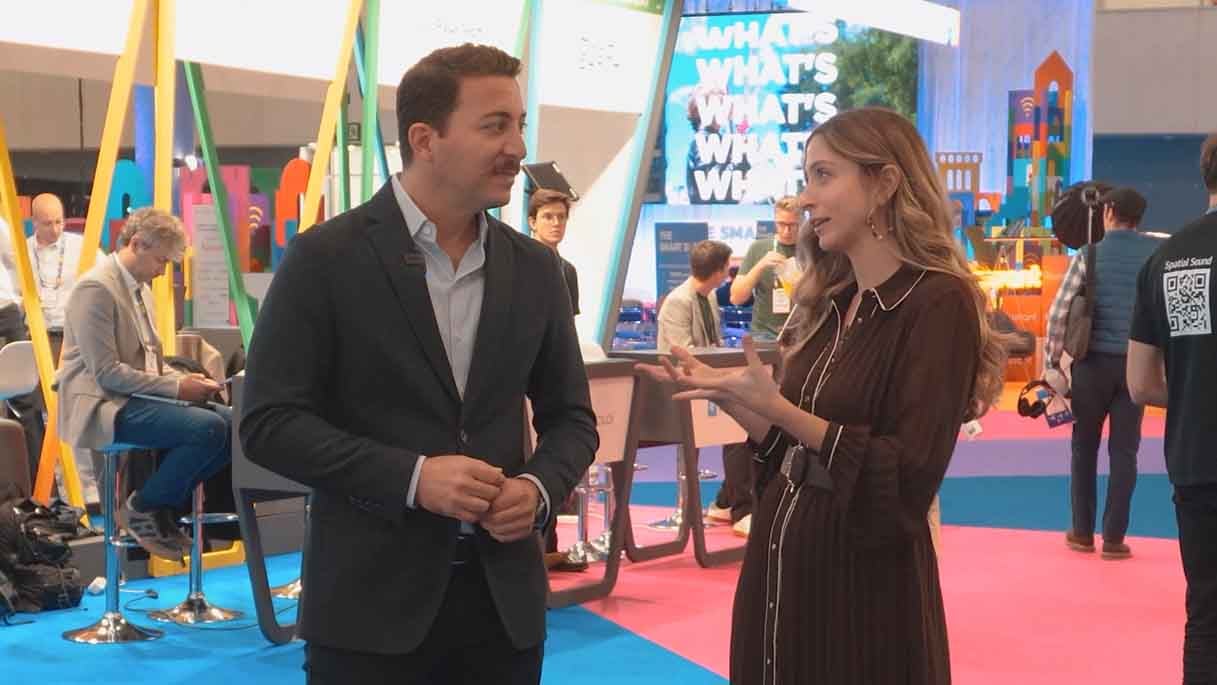
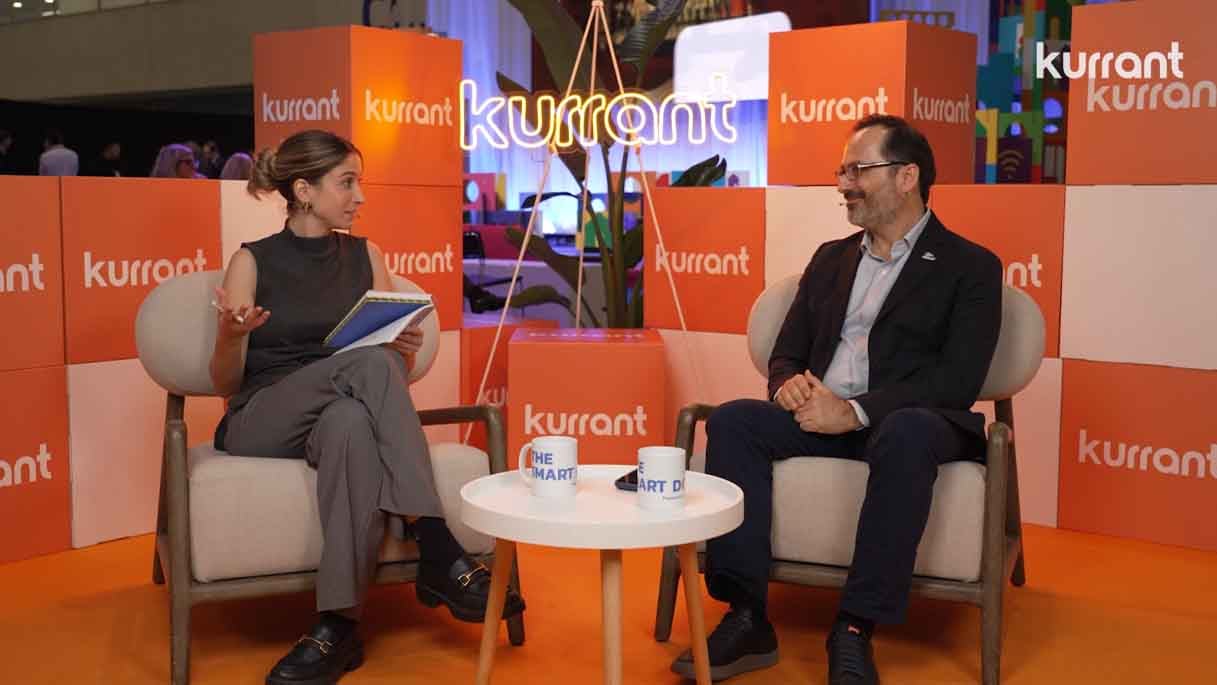
Two award-winning cities, one candid conversation. Gianmarco Piola, Head of City, Smart Communities & Innovation Management at Piemonte Innova joins Pedro Moreira, Head of the Transport Authority & Mobility Management Unit at the City of Braga to explore how recognition fuels real change: living labs, administrative sandboxes, data-driven mobility, and the new Torino Talent Gateway. Watch to hear practical lessons, pitfalls, and what’s coming in the next 3–5 years.
📖 Read Video Transcript
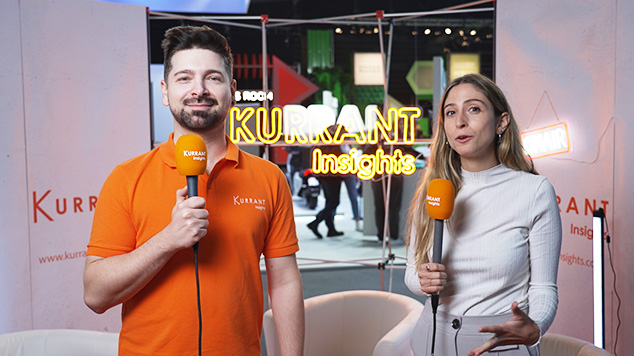
Welcome back to the Kurrant studio at the Smart City Expo World Congress in Barcelona. I'm here with Gianmarco Piola, Head of City, Smart Communities and Innovation Management at the Piemonte Innova Foundation, based in Turin. And the city was actually the European Innovation Capital of 2024-2025. And I'm also here with Pedro Moreira, Head of the Transport Authority and Mobility Management Unit at the City of Braga. And Braga was the European Rising Innovative City. We will be discussing innovation, obviously, innovation ecosystems, innovative models, the meaning of being named with these titles, having these titles and what's to come. So the first question has to be, what does this recognition that your both cities got, what does it mean for the cities? Pedro, if you could start. Yeah for sure. Thank you for your question. And thank you for inviting me to be here. For Braga it’s the final step, the end of what that we have been doing for the last 12 years. So the city for the last 12 years decided to have innovation as one of their main focus. And that kind of innovation, is reflected in a lot of aspects in our everyday life. I can tell you about mobility, but I can tell you about, the social impact of innovation, about innovation inside the municipality. Innovation between what is the public and private relation. To have new companies and better companies in the city to integrate the innovation in the city from the universities because Braga is a very new city in population. We have one of the youngest populations in the country. But at the same time, it's a city with more than 2000 years of history. So this combination between what is new, what is old, what we can improve in the old part and the experience part of the city with the new knowledge of the universities, make us very proud of being recognized by that. Gianmarco, what about for Turin? For Torino it's, obviously good news. And the best part of the award is being awarded for our experiences and the ability to engage our ecosystem. We know that we have a good, functioning local ecosystem programs and processes. And from now on, it's the start of a new road. So it's like a new starting point. We are looking outside. We are looking for a new program. Actually, one of the program has just been launched. Just in time for, the next award ceremony that will be held in Turin on the 4th of December. We will share with everyone, but it's already online. Our Torino Talent Gateway, it's our platform to attract talent from everywhere, from Italy and from abroad, in Europe and beyond. That's our new challenge and new initiative and many other will come. And having this title, how has it changed the way you collaborate internally? Right now we know, and all the organizations inside the municipality and inside city and between different stakeholders, the private stakeholders, the public stakeholders, because the city is a very complex ecosystem. All the stakeholders are right now very aware that they need to have this mindset of innovation. So, if previously not knowing that Braga was aiming for this kind of prize or aiming for this kind of approach, to the city, the innovative approach, right now they know and they are the ones that come to us and say, I have a very innovative way to do things. So let's try to do that this way, because they know from our side we are quite open for that. Do you want to add anything Gianmarco? I would say that, there is a renewed enthusiasm. We were looking for a new program. As I was saying, this talent gateway program. And, in that sense, the city opened its doors one more time. And in those co-design roundtables, I’d say that almost all the local actors have been present and not just those relevant for innovation. So it was really a good activity to see so much participation and that's like I say, more internally. And externally, I was I saying this gateway is the initiative to attract talent. So we have, design that define different, let's say procedures and opportunities for whoever come as people that will live and thrive in the city and then, we'll have a helping hand in order to find the housing in Turin. But then we have all the activity that we already do with the companies, and we would like to attract more entrepreneurs, more startups in order to have the opportunity for us to share our ecosystem and for us to test and evaluate the impact of the new technology, new solutions for urban services that are needed in our city. And what do you think were maybe, was maybe one of the projects or a project that helped you get the recognition? Obviously mobility will be a focus for you, Pedro. So if you can tell me a project that you think helped. I know obviously that one of the strong parts of this prize was related with social innovation, because we have a very strong ecosystem of social innovation in the city. But from my part and the part that, I'm quite aware of, that is the mobility side of it, is that we did a total revolution in our public transport company. We have our public transport company very connected with university. We have projects to digitalize everything related with public transport, everything related with the traffic management, the platforms that allow us to do things that, two years ago were not possible to do. To be very present, very aware of what is going on in the city, to have everything connected and to to be able to implement operative measures in real time. So that is also something that we are investing a lot, for the last years at least. But there is also an innovative approach for mobility that is not only about projects, it's about, collaborations. I wanted to refer one that I think is very important. We have a strong collaboration with EIT Urban Mobility that, EIT is innovation on mobility as itself. So these cities that work together with companies, with university, with the population all together to find solutions to implement in cities, is innovative approach that is very valuable for us as a city. And I think it was very considered in this prize. So for us, mobility and innovation on mobility is something that we value, it’s very is very valuable. And we intend to keep it going for the next years with support of EIT, with the support of startups, with the support of academia, together to find solutions to answer to our challenges because, as every city, we have different challenges, everyday challenges that the population come to us, and with this innovative approach, we are being able to answer those challenges and to implement solutions that really work. And Gianmarco, what are maybe some challenges you see, or some barriers when a city is trying to deploy innovative solutions or innovative projects. The city of Turin also defined their platform. We have Torino Social Impact for more social programs and the Torino City Lab for more technological ones. They are living labs, they are engaging platforms. On that platform we built a series of projects, on let's say, the social side, we have an urban innovative action, the name was Tonight in order to work with the citizen in, some districts, where the perceived security was low. And, that was one project on social innovation. Others are on living labs where we experiment technology. We’ve had a program in two Italian program. One is also emerging technology. The other one is to move on mobility. And in that sense, what we do is we have challenges, obviously, and companies, present their projects, the solution in order to be tested in a real case scenario. And that is where things complicate because, on the one side, you have to work on regulation. So the city of Turin worked on the administrative sandbox, in order to, have the possibility to acquire to deploy the solution in real case scenario, you have to have the ecosystem engaged because not everything can be done by the city. Mostly not, so you have the public transport company for some activities. You have from the Innova another, you have the research and university organization that should maybe work on technology transfer activities. So it should put together every aspect. Moreover, if the company is a startup, so it's in the developing phase and you have to work with the company that comes with a fantastic idea, but they have to be integrated in a real case scenario. So you have to work on that let’s say consultancy phase in order to redefine their processes and share what is the actual infrastructure in terms of hardware and data that are available in the city and where the administrative sandbox can go. Because you can do something, but not everything. So it's kind of complex that you should put together many different pieces, in order to have a program that could really bring innovation in your territory. Okay. And with these challenges and the barriers and the projects that you've done, my last question is what comes next? What does the future hold? What's on the horizon for your cities in the next 3 to 5 years when it comes to innovation? Well, I think that's the for the next three, five years, there's probably a need to engage innovation even further because we are experiencing new development of new solutions every day, something that we didn't experience before. So right now we need to be very open to new ways to do things. We need to adapt the internal way to function inside the municipality. We need to open even more the municipality to the outside. And to be able to integrate new solutions inside the organization because, when we have huge organizations like municipalities, there is always a lot of strengths that doesn't allow you to do everything. So there's the work to do inside to be even more open, even more clear that innovation will be implemented inside the municipality. And after being implemented inside municipality that will be used by the the citizen. Because the focus on the citizen, first of all is the core of the municipality and on the second hand all the innovation as citizen as the consumer as their last focus. So we need to open the organization. We need to be much more flexible in our procedures. So bureaucracy needs to change a lot. And also the citizens need to be more present in the the everyday life of the city. So to have this cooperation, co-creation, integration of innovation, will be very important for the next years. About Turin, obviously the Torino Talent Gateway, it's a program and it's I was saying starting now. So, for whoever is listening to this interview, you are invited to come and discover Turin, its ecosystem. And, in that regard, obviously there will be a huge activity in terms of promoting the local ecosystem abroad. And also working with whoever will come in order to test and work and thrive in Turin. Then there are many strategic objectives that the city has. Maybe the synthesis is, that the city is, one of the assigned Climate City contract. So we have in a couple of year a huge challenge to be addressed. We are obviously working on different sectors, obviously mobility. And we have many different project on mobility, also with EIT Urban Mobility, it's a huge part of the problem, but it's not, the sole. So we also have a program related to the Climate City contract that was launched one month ago, where the local companies are engaged to become member or partner of these initiatives, in sharing data and engaging themselves in working with the city to lower their emissions in order to reach this goal. So the Climate City contract is a huge investment for everyone. It's for, it's obviously a greater good. We all of us that are in Turin live in Turin. So, it's for everyone. It's engaging. There are many activities to be done. And obviously we are looking also for solutions that can directly lower the emission. It can, bring an impact in in that sense. So also on that topic, everyone that has a solution is more than welcome to present their ideas in Turin because it's an interesting activity. It’s for everyone and there are many, many things to be done. Well, I will be rooting for both your cities to continue on their innovation path in these upcoming years. So thank you so much for your time. Thank you for being here and for all the insights. It was a pleasure. Thank you. Thank you.
Playlist: Smart City Expo World Congress Barcelona 2025
20 videos
Day 1 - Kicking off the Smart City Expo Barcelona 2025
The Smart Deal 2025: Pitch Day Highlights
The Smart Deal Reveal - Overview
LoRaWAN Turns 10: What's next? with Alper Yegin, CEO at the LoRa Alliance
Rochelle Haynes on Building Data-Driven, Equitable and AI-Ready Cities
Investing in Smart Mobility: Bridging Innovation and Infrastructure (Panel)
AI to Optimize Waste Management Across Cities with Daniel Panadero González
LA Street Lighting’s Smart City Playbook with Miguel Sangalang
Madrid’s Digital Strategy with Sonia Crespo Nogales
Gérard Wolf on The French Recipe for Sustainable Cities Video
Data From the Streets: Rethinking Smart Cities in Africa with Edgar Pieterse
Aleksander Rajch on the Future of Mobility in Central Eastern Europe
Scaling Urban Innovation with Gianmarco Piola and Pedro Moreira
From Living Labs to Trustworthy Data with Josep Laborda
Driving Europe’s Digital Future with Chiara Venturini
The Future of Urban Road Safety with Luca Pascotto
Building Smart, Equitable Cities with Debra Lam
Connecting Every School by 2030 with Irene Kaggwa
Smart City Expo 2025: The Wrap-Up
How AI and Accessibility Will Transform Urban Mobility with UCL Experts
More Smart City Expo World Congress Barcelona editions
🎥 Recent Event Coverage
🎬 Kurrant Originals
📰 Latest News
© Kurrant. All Rights Reserved. · Editorial Standards · Cookie settings
This site is protected by reCAPTCHA and the Google Privacy Policy and Terms of Service apply.