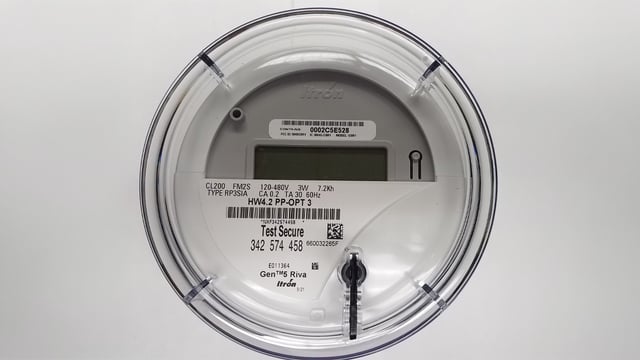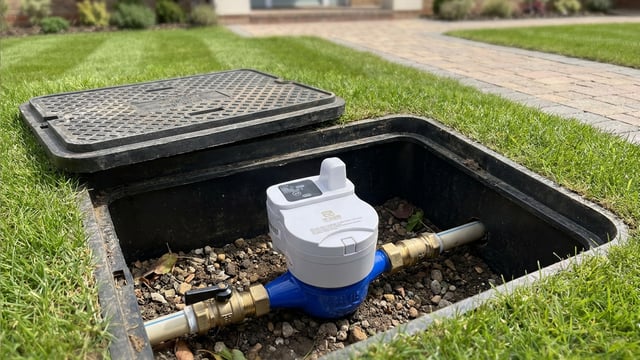
Ameresco, Inc. announced on 8 October 2026 that it has secured a $42 million contract from the City of Columbia, Missouri, a municipal utility serving a city of roughly 126,000 residents in Boone County, to replace 53,992 electric meters and 52,747 water meters. The Framingham, Massachusetts company will also install a new advanced metering infrastructure (AMI) network and meter data management software, and connect both to the city’s existing billing system and customer portal.
The award follows a procurement path that began in March 2025, when Columbia selected Ameresco, and which expanded in August 2025 through an amendment that added evaluation and development of an electric and water AMI solution, according to ABC17 News. The scope is a combined electric and water rollout, which is less common than single-utility programmes and means one communications network must serve two meter populations with very different physical constraints.
A $394 Per-Endpoint Price Set Against 106,739 Meters
City staff put the one-time programme cost at $42.1 million in June 2026, of which $41.97 million is the turnkey Ameresco contract, with the remainder covering software integration and three years of measurement and verification services. Dividing $42.1 million by the 106,739 combined endpoints gives about $394 per meter, a figure that sits inside the range Kurrant reported in June when the council first weighed the proposal.
Track tenders like this
New smart city and utility tenders across Europe, flagged daily with an AI summary.
The purchase price is not the full cost. Annual software fees were projected to start near $600,000 and rise about 3% a year, and the city planned to borrow through a loan or special obligation bonds repaid over 10 years at roughly $5 million annually.
Those figures set up an arithmetic test: $71 million spread over 15 years averages about $4.7 million a year, while debt service of roughly $5 million plus software fees of $600,000 implies annual outlays near $5.6 million during the repayment decade. On staff numbers, the programme therefore runs behind its own average benefit until the later years, when payments end and savings continue.
Why Columbia Has No Interval Data Today
Columbia has no smart electric meters, and its existing units lack two-way communication, interval data and outage reporting, with many past their useful life, according to the staff presentation covered by ABC17. The city is therefore moving from manual reads directly to a full AMI architecture, without an intermediate automatic meter reading stage.
Staff estimated more than $71 million in combined savings and new revenue over 15 years, drawn mainly from ending manual reads, improving billing accuracy, reducing water loss and tightening collections. The city has described these as projections, not guaranteed amounts, and the Ameresco release does not state a performance guarantee.
Gwen Corches, Assistant Director, Electric Utility at the City of Columbia, said in Ameresco’s 8 October 2026 press release that “Modernizing our metering infrastructure gives the City better visibility into how our systems are performing”.
Installation Sequence and the Buried Water Meter Problem
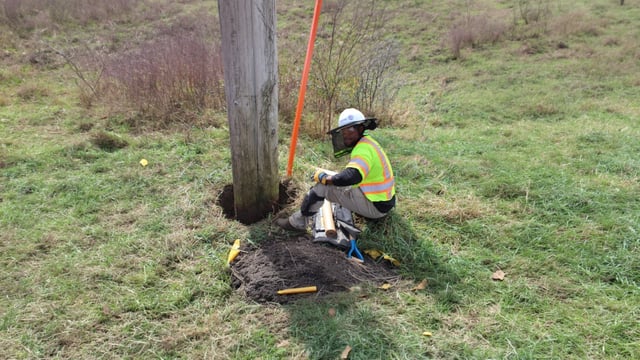
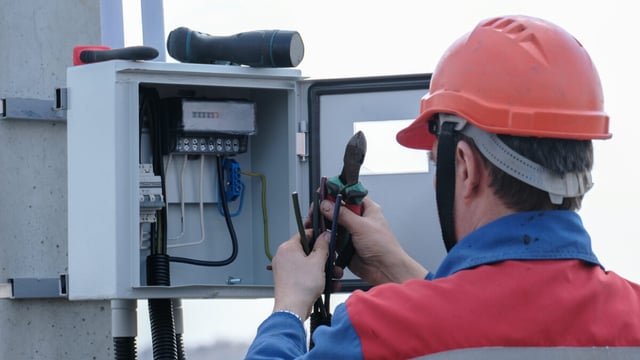
If the schedule presented in June holds, installations begin in March 2027. Electric meters would be replaced over about 18 months, while water meters would take two to three years, partly because many sit in buried locations or deep pits where access, traffic control and enclosure condition slow each visit.
Replacing or retrofitting 52,747 water endpoints in that time implies a sustained field crew throughput that the release does not quantify. The retrofit option matters here: fitting radio modules to serviceable meters costs less than full replacement, but it leaves older measuring elements in the ground.
Revenue Effects That Customers Will Notice
Ameresco acknowledged during the June discussion that customers whose current meters under-register consumption could see higher bills once accurate devices are installed. That outcome is a direct product of the billing accuracy gains counted in the $71 million projection, and it places the savings case in tension with the public acceptance of the rollout.
On the customer side, the city expects hourly and daily usage data online, automatic leak alerts, automatic outage detection and faster handling of billing disputes. Ameresco’s release lists near real-time usage data, faster outage and leak detection, more accurate billing and lower field service costs as the expected benefits.
Contract Accounting and Vendor Disclosure
Ameresco states that the project was already included in its awarded backlog as of 30 June 2026, and cautions that a contract announcement does not necessarily indicate the timing or amount of revenue. The company, founded in 2000 and listed on the New York Stock Exchange under AMRC, says it has delivered more than $15 billion in solutions and contracted more than 5 GW of energy resources. Those totals are company-reported and unaudited in the release.
The release does not name the meter manufacturer, the communications technology or the head-end software supplier, so the interoperability, firmware update and long-term data ownership terms cannot be assessed from public material, and the council record of the final vote was not available to this publication at the time of writing. For a utility locking in a 10-year repayment schedule, those unnamed choices determine how costly a later change of vendor would be.
Whether the $71 million estimate holds depends on meter accuracy findings, water-loss recovery and collection rates that will only appear in the first two years of installed data, and the city has not yet said how it will publish them.