in Barcelona
 3 to 5 Nov 2026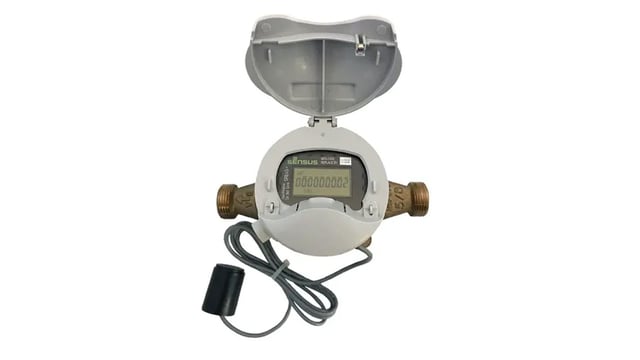
The Sewerage and Water Board of New Orleans (SWBNO), the public utility serving Orleans Parish, Louisiana, has installed smart water meters for all residential customers, WWLTV reported on October 16, 2026, closing the main phase of a programme that the utility sized at approximately 140,000 meters when its Board approved the final contract in December 2022. The rollout replaced mechanical meters that were read by hand each month with Sensus advanced metering infrastructure units that send consumption data to the billing system over Sensus FlexNet, a proprietary radio network that runs on an FCC-licensed frequency rather than an open standard such as LoRaWAN or NB-IoT, and it finished inside the end-of-2026 completion date published at the outset but later than the end-of-2025 residential target the utility set in December 2024.
A 140,000-Meter Programme Built Around Hourly Readings
According to the SWBNO press release of December 14, 2022, the programme ended manual reading of almost 140,000 meters every month and was intended to nearly eliminate inaccurate and estimated bills, with installation phased from summer 2023. The utility ties the project to its Five-Year Strategic Plan, which was released earlier in 2022.
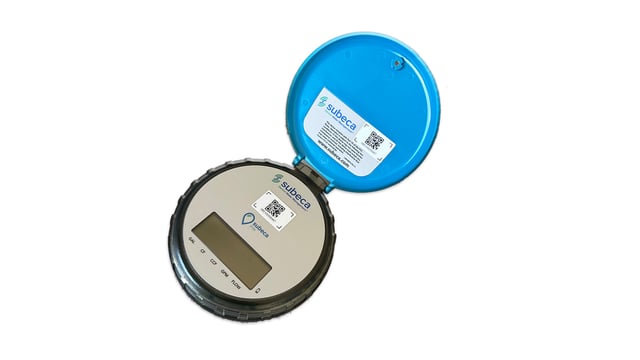
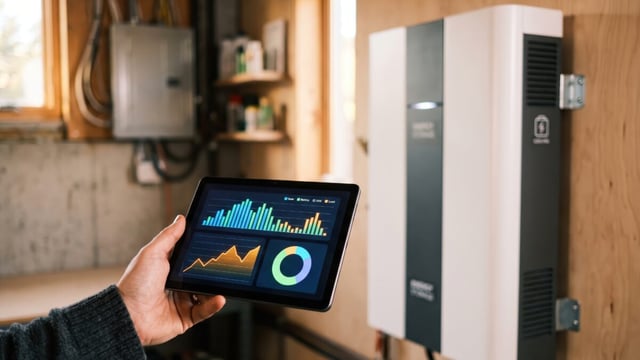
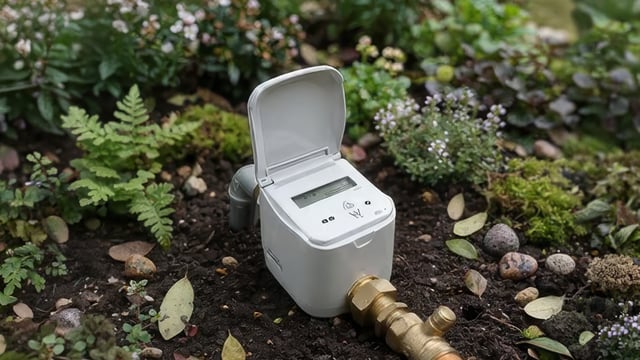
The meter lids carry a transponder connected by wire to the meter, which allows readings to be converted to digital format and read remotely over a secure network. Each installed meter measures usage digitally, carries a geocode that identifies its location, and transmits only a meter identifier and usage or alert data, according to the SWBNO smart metering page. The utility states that the meters carry a 20-year warranty with accuracy guaranteed to roughly 1.5 percent, and customers can view hourly water use through an online account.
The FlexNet network is licensed by the FCC for primary use, which according to WaterWorld leaves Sensus and its customers as the only users on that frequency.
Rollout Pace: 12,000 Meters In April 2024, 70,000 By December 2024
SWBNO reported more than 12,000 installed meters when it began smart-meter-based billing on April 26, 2024, and Axios New Orleans counted 17,900 active meters, or 12.8 percent of the system, a month later. By December 11, 2024 the utility had installed its 70,000th meter and described that figure as the halfway point.
That sequence implies roughly 58,000 meters in the seven and a half months between April and December 2024, or about 7,700 a month, and a remaining balance of approximately 70,000 meters that the utility completed for residential accounts over the following ten months. SWBNO states that the programme is under budget. At 140,000 meters, the programme replaces one monthly read per account with 24 readings a day per meter, which multiplies the data volume the billing system handles by a factor of roughly 700.
Bill Increases Followed The First Smart Meter Invoices
The shift to hourly readings changed what customers paid. SWBNO spokeswoman Grace Birch told Axios in May 2024 that customers with 5/8-inch and 1-inch service lines saw an average increase of about 10 percent, or roughly $12 a month, while customers with 1.5-inch and 2-inch lines saw an average increase of 17 percent, and the utility capped increases at 20 percent above a customer’s 12-month average.
SWBNO said at the start of billing that the new meters record small flows that older mechanical meters may miss, and that customers whose old meters under-recorded use could see higher bills while others could see lower ones. For most customers the first smart meter invoice combined data from the old and new meters, and later bills used smart meter data only.
Vendor Structure: Xylem’s Sensus Hardware, Aqua-Metric Oversight And A Local Installer
The December 2022 release names Aqua-Metric as the contractor overseeing installation, Xylem as the manufacturer of the Sensus meters, and EMP, a New Orleans firm, as the installer. Gary Ragusa, Territory Manager at Aqua-Metric, said in that release: “Over nearly three decades, Aqua-Metric has successfully completed more than 180 smart metering projects,” a figure supplied by the vendor and unaudited.
Kurrant reported the original plan in September 2023 in New Orleans to Install Smart Water Meters, which put the target at 140,000 meters on Sensus FlexNet technology and a completion date of 2026.
Sensus Supply Sits Inside Xylem’s North American Metering Business
Xylem announced the sale of its metering assets outside North America in October 2025, and Sensus International has since been set up as an independent smart metering company, so the New Orleans fleet sits within the portion of the Sensus business that Xylem kept.
The meters installed in New Orleans carry a 20-year warranty under the terms SWBNO publishes, which places the vendor relationship well past the programme’s completion date.
Leak Alerts Are The Measured Benefit
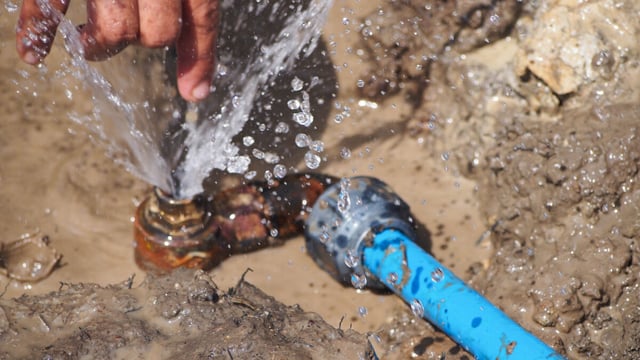
SWBNO reported in December 2024 that more than 42,000 accounts used the online customer account tool, that nearly 20,500 customers had been notified about leaks, and that customers who repaired leaks flagged by the meters saved about $95 a month on their water bill. The utility also stated that the programme had saved nearly 50 million gallons of water, according to SWBNO.
The current SWBNO programme page puts the average monthly saving from leak alerts at $34, against the $95 monthly saving reported in December 2024 for customers who repaired the leaks flagged to them.
Commercial Meters Close The Programme In 2026
SWBNO states that a small number of commercial installations need additional construction and are scheduled for completion in 2026. Completing them inside 2026 would keep the programme within the end-of-2026 date set in December 2022, and the first full year of hourly data across all 140,000 accounts will show whether the leak-alert savings reported at the halfway point, $95 a month in December 2024 and $34 on the current programme page, hold as the notification count grows beyond the 20,500 customers alerted so far.