in Barcelona
 3 to 5 Nov 2026
Suffolk Constabulary switched on AI-powered road safety cameras. It is using Acusensus-supplied “Heads-Up” detection system built to identify handheld mobile phone use and non-wearing of seatbelts. The rollout targets two of the so-called “Fatal Four” behaviours linked to the county’s most serious collisions, and forms part of a project whose findings will be published locally and fed into a national road safety knowledge base.
How The Detection And Verification Pipeline Works
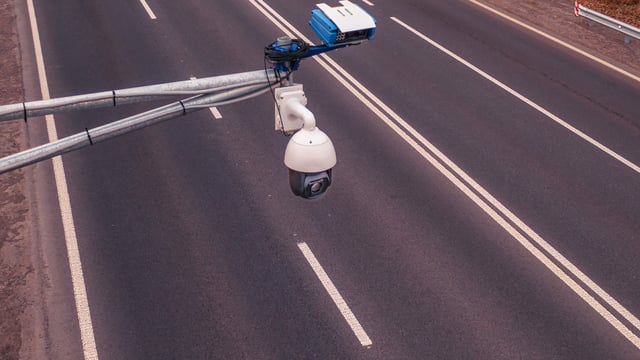
The trailer-mounted units use high-definition cameras with infrared flash to capture images through windscreens in any light or weather. Two camera angles, a steep view and a shallower forward-facing view, allow the system to work at high speed and flag multiple offences from a single pass.
AI algorithms screen the images in real time and discard the majority automatically, since they show no evidence of an offence. Flagged images are reviewed by at least two trained assessors before being uploaded to Suffolk Constabulary’s existing camera enforcement systems for a further case-by-case review by a dedicated police team.
Enforcement Approach Favours Education Over Prosecution
Suffolk Police has said its preference, where eligible, will be to offer drivers an educational course similar to those used for speeding offences rather than immediate prosecution. Where that option is unavailable because of the offence type or driver eligibility, a fine or prosecution, potentially carrying penalty points, may follow.
The approach mirrors deployments elsewhere in England, where forces have paired camera enforcement with driver education to try to shift behaviour rather than simply increase ticketing volume.
Deployment Follows A Wider National Rollout
Suffolk joins a growing list of forces using similar technology, including Sussex Police, Devon and Cornwall Police, and Merseyside Police, among roughly half of UK forces that have trialled the cameras in some form. The current wave builds on a National Highways trial that has run across multiple counties, including Durham, Greater Manchester, Humberside, Staffordshire, West Mercia, Northamptonshire, Wiltshire, Norfolk, Thames Valley and Sussex. An earlier fixed-camera trial on the M4 in Berkshire in 2021 recorded almost 7,000 seatbelt offences and more than 25,000 instances of handheld mobile phone use over six months, figures that helped justify the technology’s wider rollout.
Local Collision Data Behind The Decision
Suffolk’s own figures show the scale of the underlying safety problem. A report to the Suffolk Police and Crime Commissioner’s Accountability and Performance Panel recorded 324 Killed and Serious Injury collisions on Suffolk roads between May 2024 and April 2025, an 18.2 percent rise on the 274 recorded the previous year, with Traffic Offence Reports for mobile phone use, speeding and non-seatbelt-wearing all increasing over the same period.
Nationally, the Department for Transport recorded 29,911 people killed or seriously injured on Great Britain’s roads in 2025, a 4 percent increase on 2024, even as the total number of road deaths fell slightly to 1,556.
Privacy Safeguards And Data Handling
Suffolk Police says images that show no potential offence are deleted automatically in real time and are never viewed by a person. Images selected for review are cropped and anonymised at the initial stage, with number plates and other identifying details removed, and the force says the system does not use facial recognition or image enhancement technology.
Retained images are handled under Suffolk Constabulary’s data protection obligations, a safeguard framework consistent with how other forces, including Sussex Police, describe their use of the same Acusensus system.
Chief Inspector Gary Miller, Head of the Roads and Armed Policing Team at Suffolk Constabulary, said: “Mobile phone use and failing to wear a seatbelt remain significant contributors to death and serious injury on our roads,” in the force’s July 2026 announcement of the deployment.
The Suffolk cameras will remain in place for several weeks before the Road Safety Team reviews and evaluates the results, after which findings will be published and shared with other forces and road safety partners.