← Back to all events



Smart City Expo World Congress Barcelona 2025
Building Smart, Equitable Cities with Debra Lam
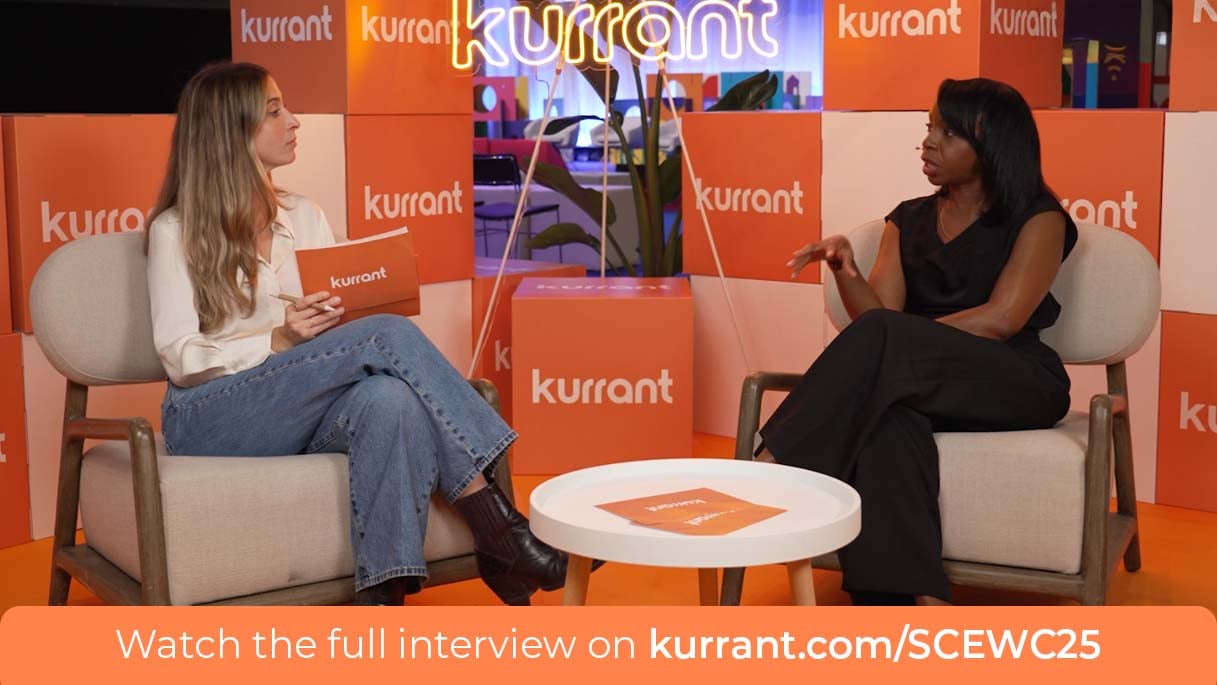
From ‘do tank’ results to real community impact, Debra Lam Founding Executive Director at Partnership for Innovation shares how to power smart, equitable cities. Hear the Atlanta Thomasville Heights story, using drones for energy audits, low-tech fixes that cut energy poverty, and the playbook for scaling pilots. We dig into governance, stakeholder engagement, and AI that helps, not harms, residents.
📖 Read Video Transcript
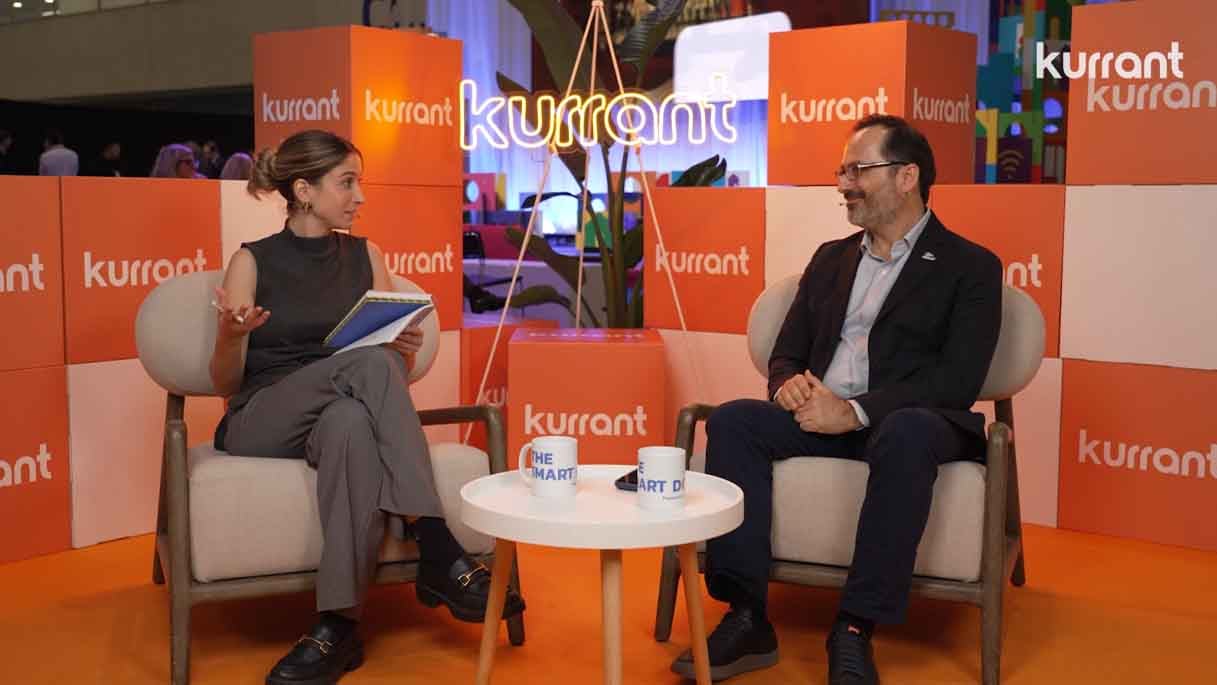
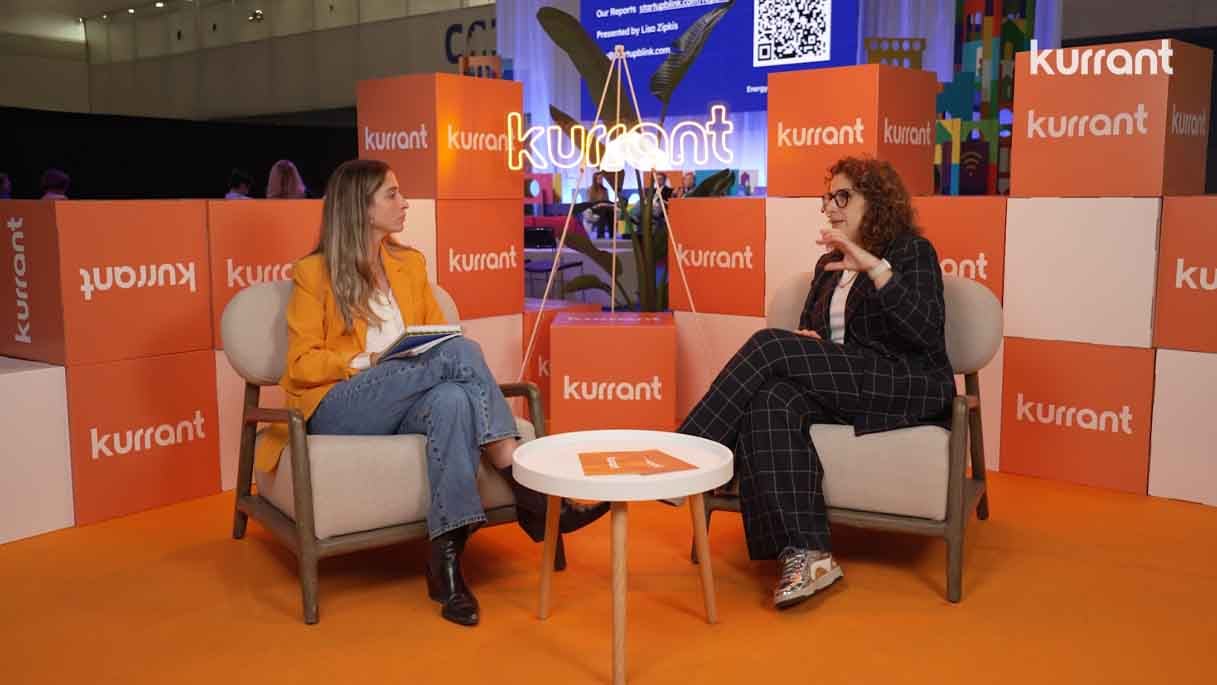
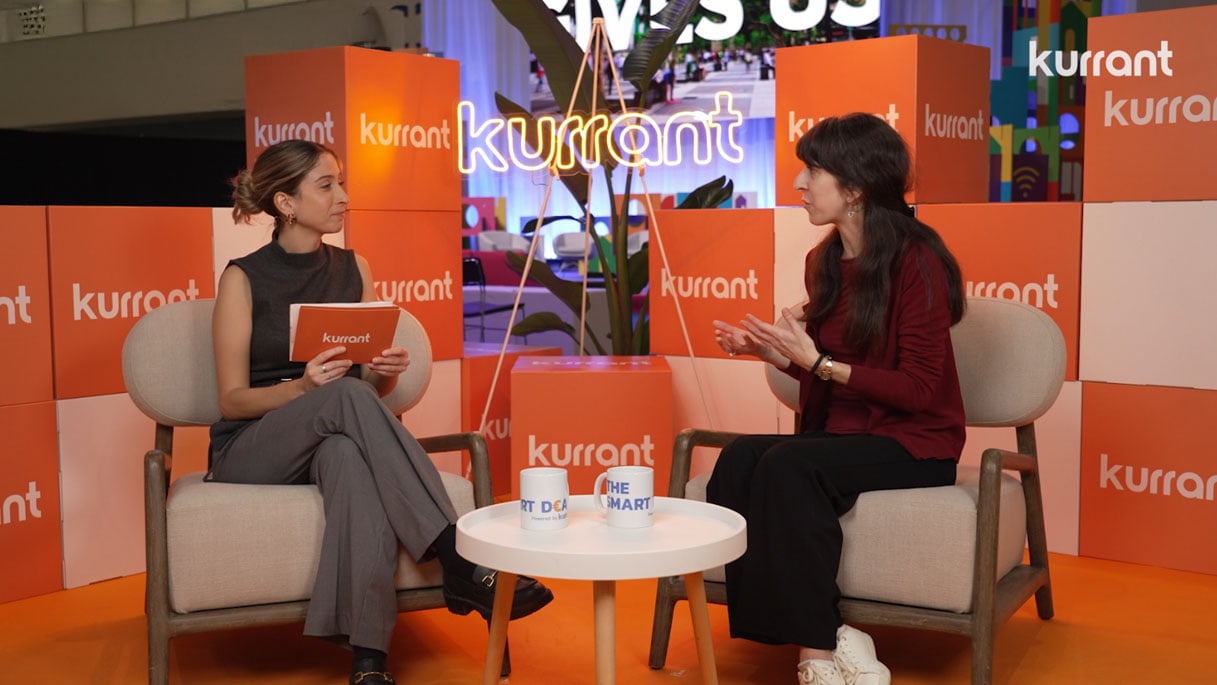
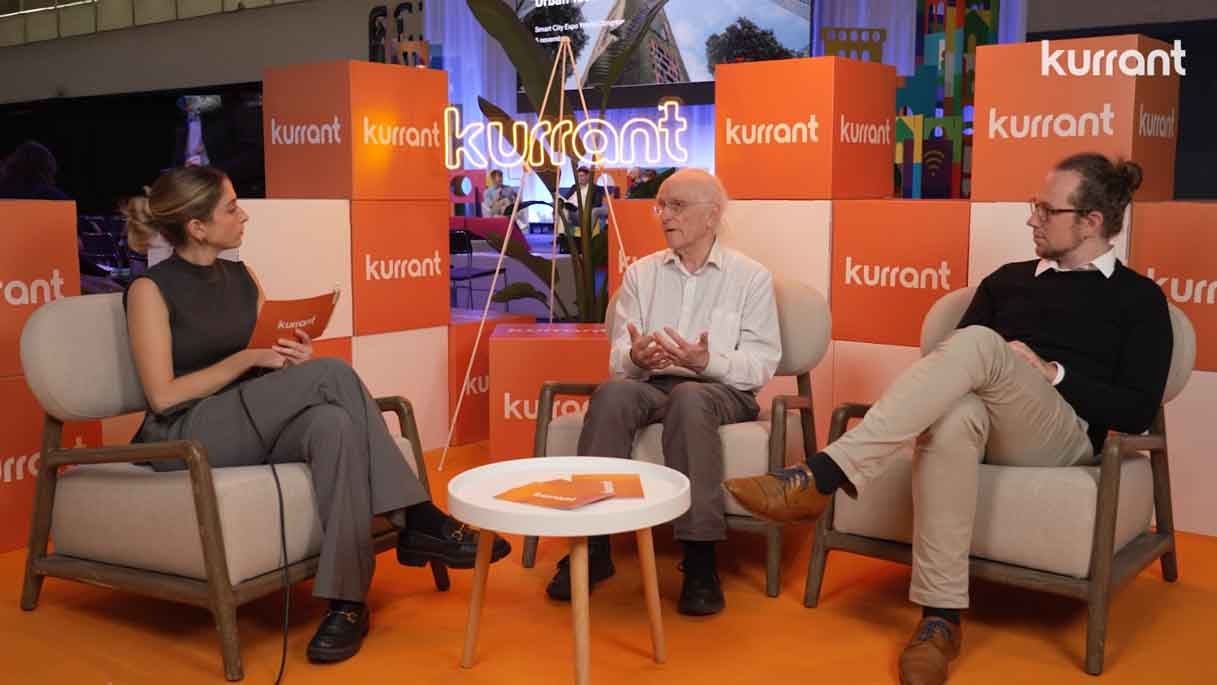
Debra Lam, Founding Executive Director of Partnership for Innovation, is here at the studio of Kurrant with us. Partnership for Innovation is a public private partnership in Georgia that invests in innovative solutions for shared economic prosperity. We'll be discussing the smart city industry and inclusivity. So the first question, Debra, is what does a smart and equitable city look like to you? Yeah. Thank you for the question. And thank you for hosting. So to me, a smart city is a continuous improvement process versus an end state. So you don't suddenly say, I'm a smart city. I'm done. No more work needed. It is one that uses the most applicable, and suitable technology innovations, research to pursue problem solving, well-being and quality of life improvements. So whatever the city says. I want to improve transportation or energy or housing. Then they think of what is the portfolio of innovation solutions that include technology and policy and business models, and a wide variety of stakeholders to pursue that goal of problem solving. And what do you see is the biggest misconception about smart cities? Yes. So that it is like technology led and driven solely. So you know that there's some sort of magic solution, silver bullet that will solve all the ills of the world and unfortunately, even with the advancements of technology that we see today, there's no single solution or even a single platform of solutions that can solve all the the problems or meet the goals of a city. And that really technology is an important tool, but it can't be solely driven by that. And you've seen cities get into what I call a tech arms race, where, one city will say, I have 3000 sensors, I am so smart. And then another city will say, well, I have 5000 sensors. I am smarter. And that's not necessarily the way to approach smart cities. What is the problem that you're trying to solve? And how can you think about solving it through this portfolio of solutions? And considering the name of your organization, what makes a public private academic partnership actually work? Yes. That's a great question. So to us, a lot of the wicked problems that we see, whether it's poverty or climate change or housing, they can't be solved by a single sector. So the government can't mandate everything or the private sector can't fund everything. Academia can't research everything. It's very hard for any one sector to solve those problems. And that what is more interesting and more effective and innovative is to build these public private partnerships where each sector is contributing its strength, but also sharing the risk across the board and leveraging the collective resources to solve that. So when we're saying building public private partnerships, it's building a coalition of interested organizations and entities that want to contribute towards the solution, but because they're part of the process, they're responsible for its outcomes. And do you have maybe a project, an example in which this type of partnership helped a city with their digital and sustainability goals? Yeah. Yeah. A really good example is a project that we finished recently is in Atlanta, in Georgia, in Thomasville Heights neighborhood. If any of you are familiar with the Thomasville Heights neighborhood, I'm sure you have similar neighborhoods in your community where it's historically been underserved, underserviced, and the social economic indicators compared to other parts of the city are lower. So there's a lot more infrastructure and a lot more, investments that needed to be made in this community. We did a project where we funded and managed and supported a team, a public private partnership that included two universities, Georgia Tech College of Design, Morehouse School of Medicine, the City of Atlanta, and then the nonprofit partner focused Community Strategies. So public private partnership across the board. And the team used, drones with thermal imaging, so very advanced technology to conduct an energy audit in the Thomasville Heights community. And then from that energy audit, use very targeted but very low tech interventions that you can get at a hardware store to improve the building fabric and makeup that immediately decrease the energy poverty of the residents and increase their thermal comfort, heating and cooling. So you go from a very high tech, advanced technology to something that's very low tech in terms of window panes and caulking, to address the building fabric and facade. And that immediately looked at cost savings, immediately addressed some of the energy poverty concerns of the residents. And that project involved 20 plus stakeholder engagement meetings. To really make sure that the residents were involved, to make sure that this was empowering for them and understood. That project went on to win some major national awards, that researchers saw as a way to advance the research and scholarship. And of course, the city and the community got a lot of benefits from it. So we saw that as a win win, win win all around from that stakeholder. Yeah. And it's a resident focused smart city project. Yeah. And what's great is that, you know if it can be done in Thomasville Heights, it can be done in other communities. So you think about scale. And the professor who led that project went on to form his own startup to offer similar research and services to more communities. So then you start to think about how this is driving economic development and economic growth, when you can power that kind of entrepreneurship and innovation. Okay. And then what's the right balance between experimentation and regulations when cities adopt new technologies? Yeah. So I think for a lot of this is you need to think about the governance framework. And the governance framework should include the privacy, the safety parameters, etc.. But even beyond the governance framework, is that stakeholder engagement. And that education that's needed. So for a lot of this kind of advanced technology from AI to, smart sensors, etc., there's a kind of education and training that needs to be involved. How is this used? How is your personal data being impacted? What kind of choices do you have to make in order to pursue this? And what are the risks that you know of that you need to help mitigate or help address? From the outset. And then one of the issues we have seen a lot is that a lot of times pilots just stay as a pilot and then don't scale. So how how can we make sure the pilots do scale? Yeah. So it's a couple of things I think that is probably the best question. And the next frontier. I think as a smart city community that's what we are all trying to aspire. You know that you have proven pilots. They’re a success. And if it can be done there, why can’t it be done in other places? You know, what is the business model to scale it effectively and, scale it impactfuly. And I don't think we have all the answers to that. I think that's actually something that we're challenged to do. And that's what we're testing. So the Atlanta Thomasville Heights project I told you about, what does scale look like? How do you share it with others? So on one hand, we can share it by just, bringing awareness. So best practice. So another community with a similar condition as Thomasville Heights, if they know about it and they know the playbook, then hopefully they can adopt it because they see that it's been done successfully, the risks have been mitigated, etc.. On the other hand, we see it as that startup that the professor did. So let's start investing in that startup so that that startup can scale it and make sure that it can spread in other. So I think there's a whole wealth of additional opportunities in this next stage, whether it's just through content creation, knowledge, awareness raising that allows other communities to naturally adopt it, or making sure that there are the necessary investments in infrastructure, whether it's by the federal government or a local government or private sector like startups, that they can provide those services to other communities. I think that's a very exciting part. And then obviously there's a question about AI. How can we ensure that AI and automation enhance public services without reinforcing basically inequities? So I think what's underpinning a lot of the AI conversation is the acknowledgment that AI is coexisting with people and there's a certain co-creation and mutual empowerment of both. AI doesn’t it exist in isolation, without people. And at this point, it's hard to talk about smart cities and well-being without acknowledging the importance of AI being an important tool to that. And so I think when we are thinking about AI, we have to think about where do the people fit in? Are they part of the conversation? Are they aware? Are they educated? What are the parameters to engage them? And how can they utilize AI in terms of problem solving? Again, beyond the frontier research and just the advancements of frameworks at the end of the day, how can AI solve your problems? What are those use cases and how can we understand them for increased literacy education and training? And my last question is if you could redesign one thing about how cities approach innovation. What would it be? Oh I love it. I do think it's important to bring as many people together at the beginning, because they are then brought into that process and committed to the outcomes. But I also think it's important that at different points in time, there is an understanding that you cannot please everyone 100% of the time and that you have to make decisions and that those decisions are explicit and taken action. So it's important to have that continuous conversation and dialogue and then incorporate that into the project and the well-being. But know that there are decisions that have to be made and action has to be taken, and that we're not just going to keep having conversation. It is movement towards action. And that's why even at the partnership here, we explicitly call ourselves a do tank versus a think tank because we want to see projects on the ground. So since we launched, we've had over 220 projects across Georgia and six other states in the southeast. And for all these projects, they involve 197 different technologies and innovations, with 200 plus partners in academia, public sector, private sector, and civic nonprofit. And for every $1 that we invest in, we get $5.23 in return. So that five x return is about bringing additional economic benefit into the community. Okay. Well, thank you so much for being here and for your time. And that was Debra Lam.
Playlist: Smart City Expo World Congress Barcelona 2025
20 videos
Day 1 - Kicking off the Smart City Expo Barcelona 2025
The Smart Deal 2025: Pitch Day Highlights
The Smart Deal Reveal - Overview
LoRaWAN Turns 10: What's next? with Alper Yegin, CEO at the LoRa Alliance
Rochelle Haynes on Building Data-Driven, Equitable and AI-Ready Cities
Investing in Smart Mobility: Bridging Innovation and Infrastructure (Panel)
AI to Optimize Waste Management Across Cities with Daniel Panadero González
LA Street Lighting’s Smart City Playbook with Miguel Sangalang
Madrid’s Digital Strategy with Sonia Crespo Nogales
Gérard Wolf on The French Recipe for Sustainable Cities Video
Data From the Streets: Rethinking Smart Cities in Africa with Edgar Pieterse
Aleksander Rajch on the Future of Mobility in Central Eastern Europe
Scaling Urban Innovation with Gianmarco Piola and Pedro Moreira
From Living Labs to Trustworthy Data with Josep Laborda
Driving Europe’s Digital Future with Chiara Venturini
The Future of Urban Road Safety with Luca Pascotto
Building Smart, Equitable Cities with Debra Lam
Connecting Every School by 2030 with Irene Kaggwa
Smart City Expo 2025: The Wrap-Up
How AI and Accessibility Will Transform Urban Mobility with UCL Experts
More Smart City Expo World Congress Barcelona editions
🎥 Recent Event Coverage



🎬 Kurrant Originals

📰 Latest News



© Kurrant. All Rights Reserved. · Editorial Standards · Cookie settings
This site is protected by reCAPTCHA and the Google Privacy Policy and Terms of Service apply.