← Back to all events
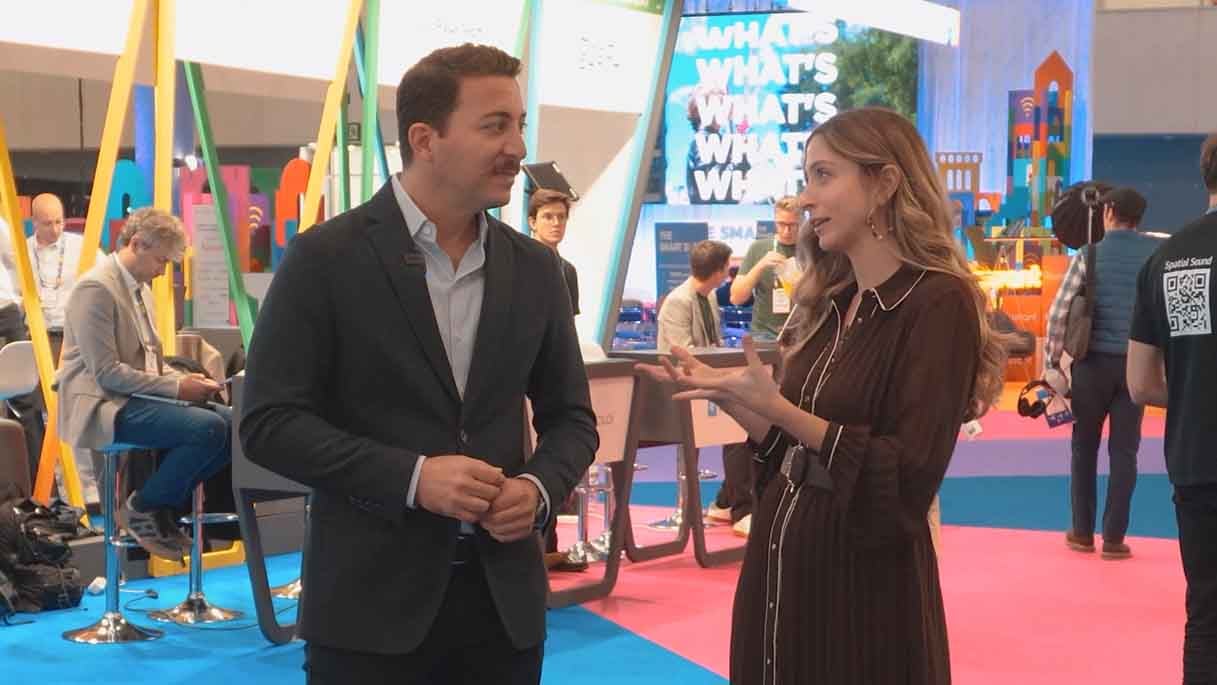
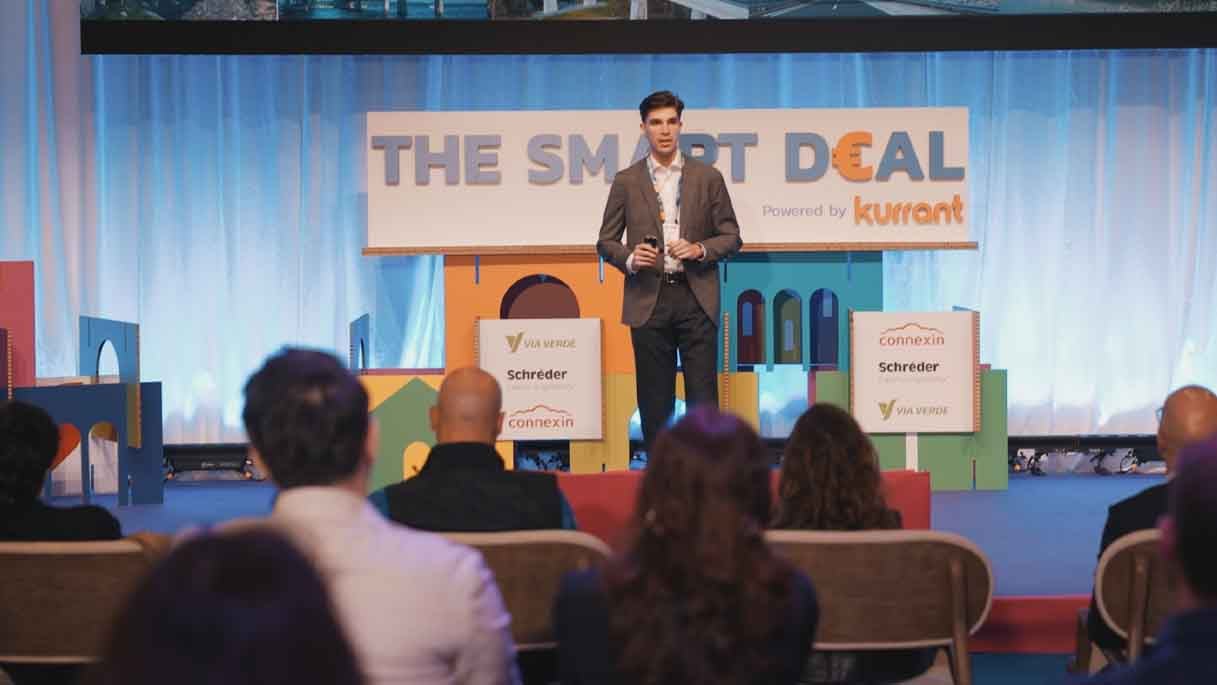
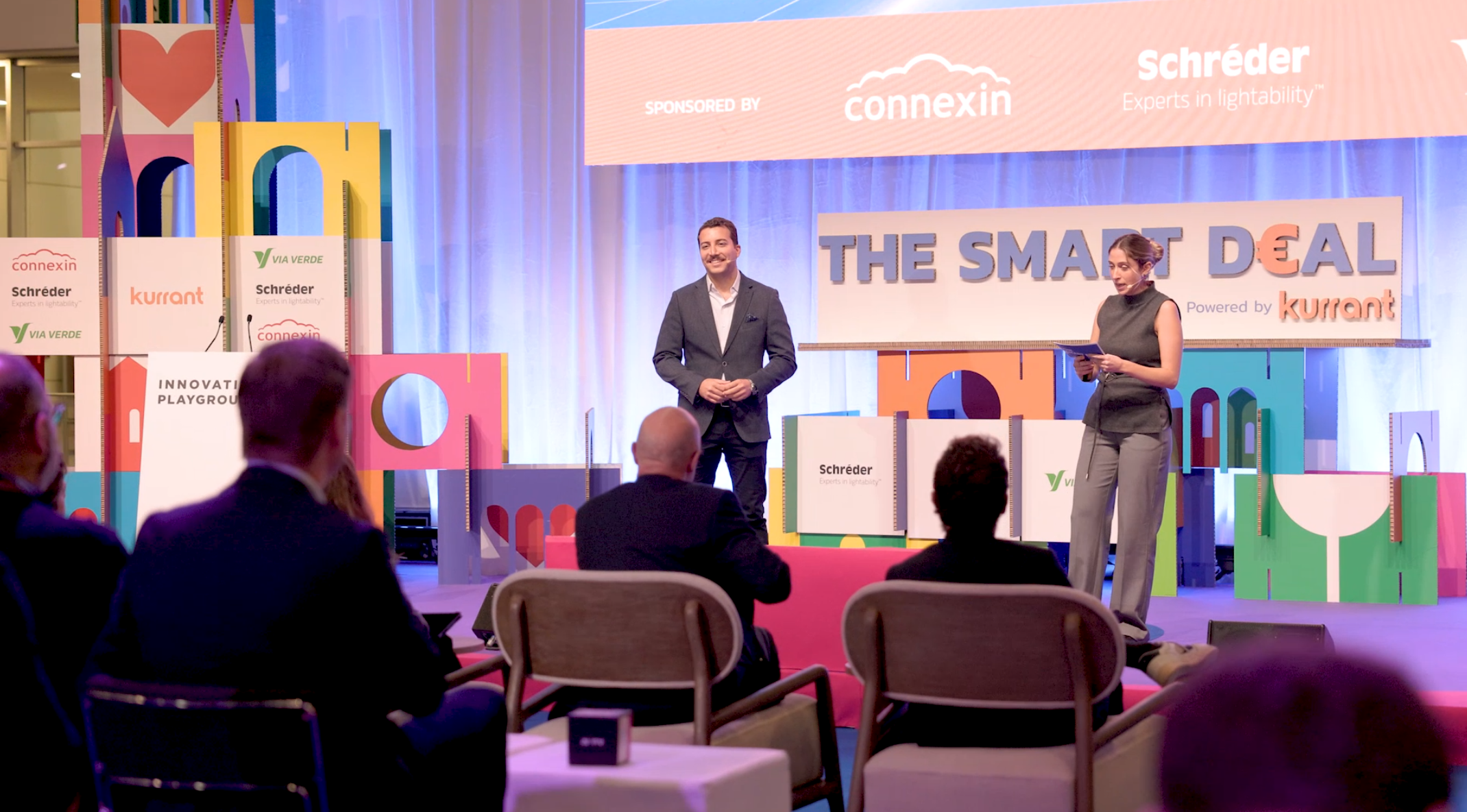




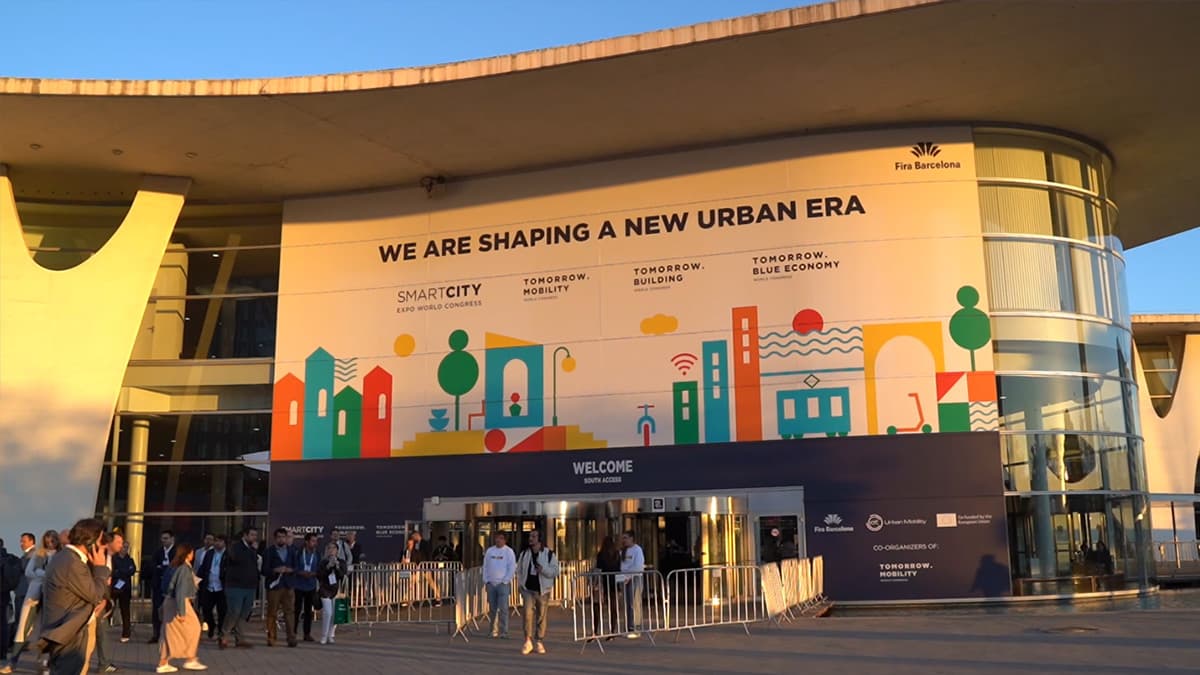
Smart City Expo World Congress Barcelona 2025
How AI and Accessibility Will Transform Urban Mobility with UCL Experts
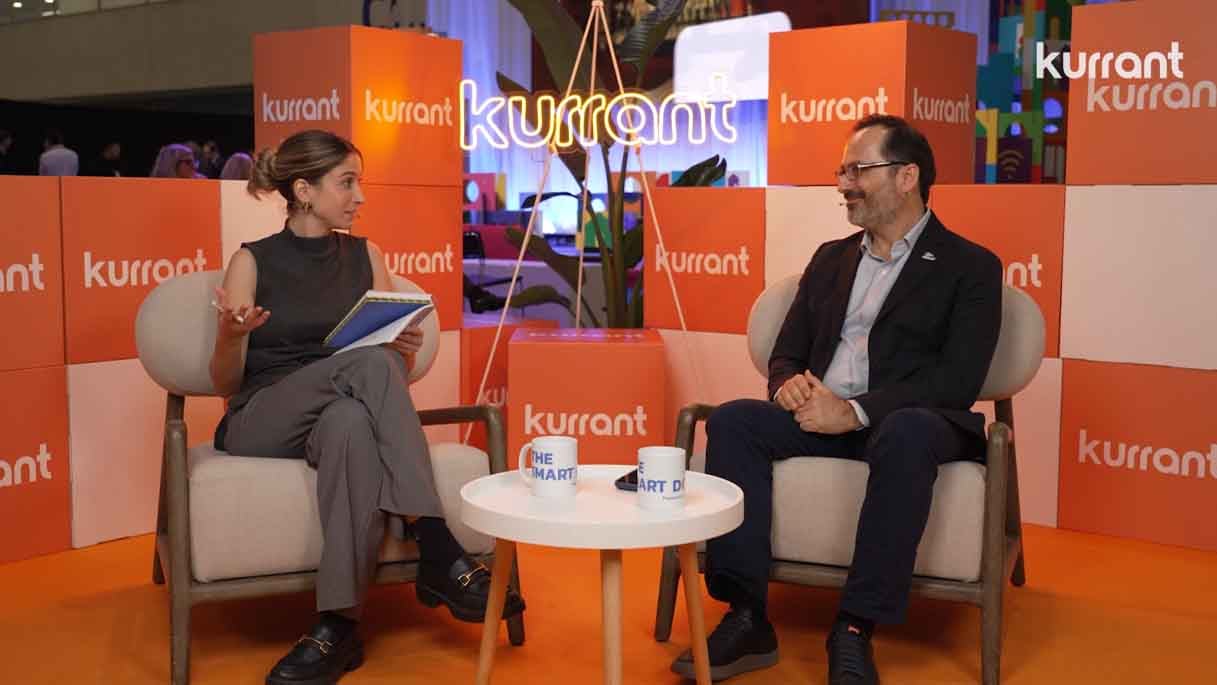
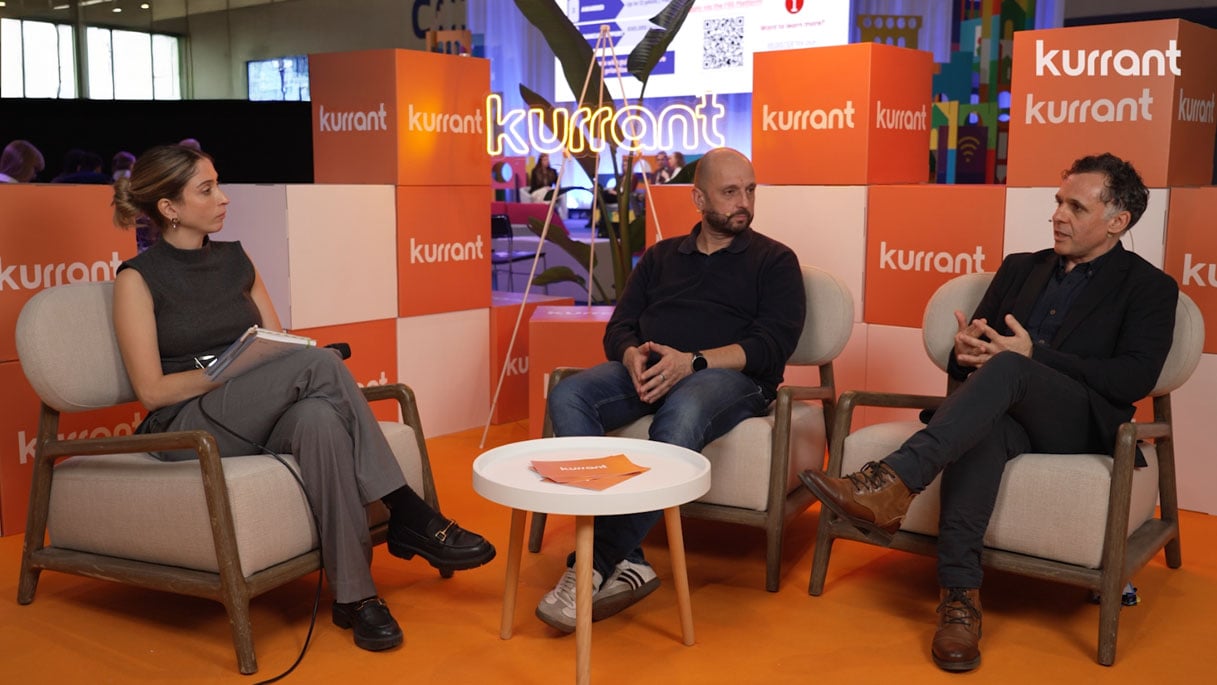
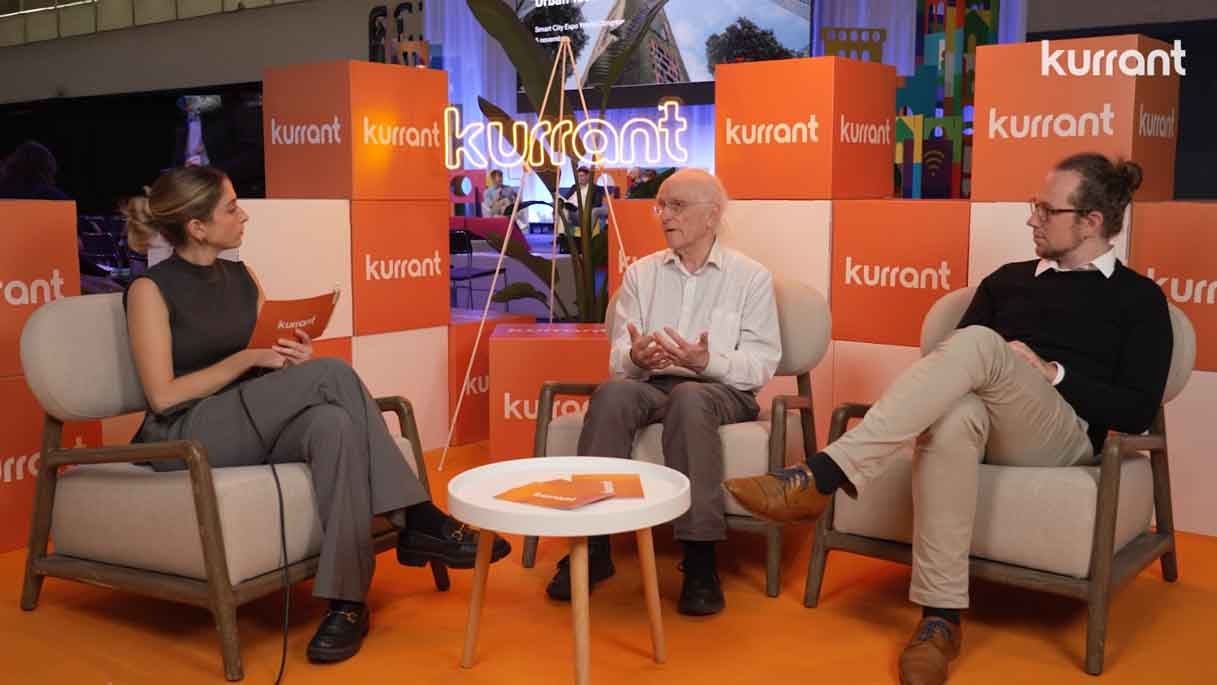
From London Underground barriers to AI-powered trams, UCL’s Nick Tyler and Jan Luca Kästle join Kurrant at Smart City Expo to unpack how digital tools, ADAS and new thinking on accessibility could transform everyday journeys, boost safety and reshape public transport in dense cities, without forgetting the people at the heart of the system.
📖 Read Video Transcript
We're at the Kurrant studio at the Smart City Expo World Congress I have here, Nick Tyler and Jan Luca Kästle. They are from University College London, and they work to make transport more accessible and more modern. We are going to be talking about accessibility and autonomous transport. So welcome to the studio. The first question is what are the biggest barriers to accessibility still present in the London Underground and similar urban transit systems? I think, Nick, if you want to start. Okay. Well, thank you very much for inviting us here. Right now, if I had to say what is the most difficult thing on accessibility in the London Underground, I would say there's two things. One is the age of the London Underground. It's old. It was designed and constructed in a period when accessibility actually, wasn't thought about and also I think it's a big city and there's an issue around the accessibility of people. So how people interact with each other is something which we don't think about terribly much. But actually that is really what accessibility is about. And I think we we need to start to think a little bit more about how the people are accessible as much as how the infrastructure is accessible, and getting that right will help a lot of the problems with the infrastructure. And since we're at the Smart City Expo and we talk a lot about technology and digitalization, how do digital tools help make it more accessible? The tube, but also other types of, transport. The obvious thing is around information. And getting information more accessible to more people means probably delivering it in multiple ways. So I think technology that enables us to be able to spread information in different ways at the same time that, I mean, a very simple thing would be different languages, but, it could also be different means of expression. So simpler, for some people, more complex for others, working out better when the information is delivered. So it's more appropriate for the decisions that people are taking, personalizing the information so you get the information you want, not the information that I want. And I think these are all ways in which we could actually smarten up the IT. To me, that's where it fails. It sorts itself out, does things very quickly, but it doesn't do it for people. And I think getting it smart for people would be really good. And I think that applies to things like the underground, the metro systems, metro systems that to me are pretty simple because they the trains don't get lost, they go on track, you know, take the track away, it doesn't work. Bus, they have routes, but they can be diverted from routes. They are in a much more complex environment. So information about what a bus is doing is actually more important in some ways than it is on the metro. And I think, again, making that more possible. So we look to the, an opportunity to enable people with more cognitive challenges to understand where they were on a bus route, by creating a tune for each bus stop. So a very simple tune, just like a 4 or 5 note tune. The benefit of that was, you remember tunes more easily than you do words. That's why people have jingles for adverts and things like that. And the trouble is that London has 20,000 bus stops, so we had to have 20,000 tunes. But nobody needs to know all 20,000. They only need to know the few bus stops they have. So they will remember that very, very easily. And they just ignore the ones that are not relevant and they hear the ones that are. And it so happens that it works very well for people with dementia, and it enables people with dementia to be able to be out even with somebody else. They'll be calmer because they kind of get a better sense of where they are and that is information. But it's in a very different form from the sort of information that we would normally think of. So I think the thinking about the recipient of the information and how they are going to process that is really is more important in many ways, and how we're going to deliver it. How are we going to deliver it depends on how it's going to be received. And I think we don't really think enough about how it's going to be received by different people. Okay. So, as I mentioned, we're going to be talking about accessibility, but also modernizing mobility. So Jan Luca, I wanted to ask you, you're working on an ADAS project for trams. Can you tell me about that? Yes, absolutely. Thanks. That I can see here, the ADAS system is called Arise, and it is actually by co-funded by EIT Urban Mobility. So that's also why we're here today. It is to do with it's partnered with a company called OTIV from Belgium. They have developed a system that can run the tram driver if there is an obstacle that comes in the way. So it's not necessarily already on the tracks, but it might be at risk of entering the tracks and at risk of collision. And as part of this project we look into a validation in different direction. So on the one side there is a technical validation. Does this system actually reduce the amount of accidents? Does it increase safety, increase service, reduce maintenance, reduce costs. But then there's also the question about the tram driver. And this is where UCL comes in. We lead the project. But at the same time our core product is or our core project is that we look at what does it do with the tram driver. If there's yet another element in the cockpit that beeps, that might distract, but at the same time might help. So what does it do with workload, stress, fatigue and attention of the driver? And could this mean, is it a step forward towards autonomous? So I think as Nick already touched on, rail based systems are rather easier to get towards a fully automated step. In London we already have the DLR that is running without a driver. This exact project is not looking into fully autonomy. So it's more about augmenting the capabilities. Exactly. So it mainly looks or it mainly warns the driver in the first place. It does not tap into the actual controls of the tram, although when validated, it could. Tram systems all around the world have quite a lot of issues with finding younger people to drive trams. In Europe, for example, the majority of tram networks, the average driver is more than 50 years old. They’ll retire rather soon. And already there are too few tram drivers. So alleviating the system through automated vehicles, for example, can help increase service regularity. And at the same time not have this stress on the entire service. And how is AI going to impact this project and also how is AI going to impact accessibility. So if you want to start Jan Luca. And then we will turn to you Nick. Again there's a number of things where AI comes in or let's say intelligent data processing or advanced data processing. On the one hand side, it's the actual product itself. So the partner company OTIV, they use AI, they use advanced image processing to detect to classify whatever information they get in the first place, to then understand, for example, the trajectory of an object of interest, and then only warn the driver if a collision is more or less imminent, this is one side. But then in the actual project where we look behind the scenes, I want to say, there we use advanced data processing for example, for the eye tracking that we record to understand where does the driver look at at any given point in order to then understand how do they react to the warning they just got? Or for the brain activity that we record to understand, we now know where they looked at. But what impact did that have on their decision and how did that inform their action? Yeah, I think it depends what we really mean by AI. I mean, AI is a like a huge term. And I think it can be very helpful in a lot of ways I think it can help with, for example, creating sign language with terminology and things like that. But I'm wondering whether actually in terms of accessibility, a better, a more cognitively relevant way of thinking about the processes that somebody is going to have to go through so that it could help them to do them in the right order. So things like finding your way around an underground or a bus network, is actually quite a complex affair. And I think the kind of AI that is kind of modeling brain processes rather than the kind of AI that is a very smart, intelligent, basically database reader with a directed context grammar that spits out the answers in those sentences. So we believe that that's one sort of AI, I think that is less useful than one that actually kind of figures out, how do I know what I need to know, and how do I know how to navigate the metro system to be able to go from one place to another in the way that the brain works it out is actually a very useful thing to be able to do, and then give the advice to the person so that the motor is a different motor for the information that's coming out for the advice. I think that's actually a more interesting way to go. How does the AI cope with when it has to change its mind? It's a really difficult thing for computers to change their mind. But it's a crucial part of being able to navigate through a network, because you think, oh, I'm going to go this way. And then for some reason, whatever it is, that's no longer the right way to go. I need to go another way. That's all fine. And we can kind of handle that. But if you think through the processing that you do in order to be able to handle that, it's very live. It's all about, I need to go this side I need to go that side. I need to walk round this person. I've just got this piece of information. I'm going to do that. That's where the AI process could be really helpful for people who find that kind of processing very difficult. So a crowded, peak hour journey becomes impossible for them. This could be really helpful. But to develop that kind of AI, you've got to get inside the kind of processing that, I think getting nearer to how the brain does these things. So models like Jepa. Jepa is joint embedded predictive analysis. So it's kind of trying to reason in the way that the brain reasons rather than just go and find what happened the last million times, and what was the most popular, is a way of being able to do that. But that needs a lot of development, that is much more recent. And it would allow that to be constantly evaluating itself so that you can say, oh, I thought it was good this way. Now I'm going to go that way without it being inconsistent. It's that kind of balance. And I think we need to get AI into that level of I. And I don't think it's there yet. I think that is a job to be done, but I think it's where we should be heading, in that world. And then we can start to make it able to make the world more accessible. So do you think accessibility, the idea of accessibility is being left behind sometimes with, for example, it's not being considered. I'm just thinking of like rerouting. If it thinks, okay, let me go this way, it might not take into consideration the person that might have accessibility needs. Or is that something we're seeing that it's being like left behind? I would say I think you're right. I think it is because I think the driver is to try and find a good, let's just take routing algorithm for example. So if you take something like Google Maps, City Mapper, Journey, the typical. They will give you, you say, I want to go from this place to that place they will give you generally speaking, they will give you a range of selections. You choose one and then it will work with that one. It won't say when you halfway along actually with the other one was better. Now, for whatever reason, the other one is now a better option. Do you want to take the other one? They don't offer that once you're on it. They don't allow that to change. So you're then stuck with whatever it's given you. And of course, if you get into a problem, you can you can ask it again and all those sort of things. But now you're putting a cognitive load onto the person where that's precisely when you want the system to be able to help. And I think we haven't really thought through how we can use the technology to kind of check on itself and say, do something else for this person. So I think we have left them behind. So it has to be included in the planning. It has to be right in the start. Yeah, yeah. And then I was wondering as well with the ADAS equipped trams, since we're talking about planning, where could innovations like this project fit into the future of urban mobility, especially if you think about dense cities like London? So if you talk about fully automated trams at one point, then we've already talked a bit about certain options that you have that you have more service. Because you have you can have more trams and you don't really need the people behind it or not as many people to move these trams and with more service, you have more ridership. You have, well, the economics of scale. Yeah. You can have more revenue, which in turn gives you more service opportunities again. Yeah. It's also about safety because, when you have a tram equipped with loads of sensors that look in all directions, once it's well calibrated, once it's well functioning, well, working a tram can then look into all directions. Whereas the tram driver, they have this intuition of course, and they have their experience, but they can at one point only look in one direction. And if, let's say two critical situations unfold in two opposite directions, it's very tricky for them to react to both at the same time. And we might be able to see a reduction in accidents, which then in turn makes service more regular. And this whole cycle unfolds. And I maybe as a passenger, I have more trust in using the tram, so we could see actually an uptake on ridership and a decrease in safety related incidents. Makes sense. And then how does improving accessibility and driver performance tie in to broader smart city goals? Sustainability, inclusion. Well, when you have more people using public transport, especially, net zero, carbon zero transport, like trams that run on on electric energy and let's assume this energy comes from a carbon neutral source, and they don't choose, for example, their private vehicle. Then you can reduce greenhouse emissions, you can reduce pollution. You can also reduce stress of people because sitting in a traffic jam all the time is is very stressful and not very healthy. So you can really get some of the smart city goals, let's say acted upon there. I think, we need to change the way we think about mobility. So the idea that we actually have to move, we design a mobility system to bring people from the outside into the center of the city, because that's where the work is. And people live on the outside come into the center. I'm not sure that that's true anymore. And maybe it's better for the environment to travel less in that sense, but to travel more usefully and sustainably. So the idea of working near to one's home rather than in a central location, but we don't generally design the transport systems to be able to do that. That suggests that you might want a more responsive kind of mode of transport, and certainly a more responsive way of planning it, even if you've got something relatively fixed. On what you then be getting is actually less intense pressure on the routes into the center of the city. So your crammed peak hour trains or trams or busses are less so, because people are actually satisfying their motivational needs, nearer to where they're living. So we're actually reducing the energy take of people rather than increasing it and reducing the issues that bedevil public transport, which is about over occupancy, where they’re carrying too many people really for what they're doing. So I think having a more intelligent way of looking at how we understand how people's motivations are met so that they balance their physical and cognitive emotional, even their sense of purpose, kind of needs or motivations, rather than some kind of abstruse economic model that says we get a benefit cost ratio of this, which doesn't really make that much sense. Can we actually fit the way that we plan and operate, a public transport system in a way that actually fits how people are motivated to live and reflect that. That I think would be a really interesting challenge for the AI. It’s partly in the planning to set up the possibility of doing it and partly in the operation of how do you do it? And I think getting those kind of things using the technology for that kind of intelligent thinking about how we actually are doing and why we're doing our moving rather than simply the what of I need to move this number of people. And I think if we were to push the intelligence in that direction, I think then the accessibility of things becomes easier because we are now able to match people's needs with where they are and what they're doing and so on. So to me, that's where that would be a more productive way to go. And then I have one last question for both of you. And that's if you could implement one innovation across the UK in mobility or in public transport tomorrow. They say whatever innovation you want, which one would it be? It's it's very difficult to choose one. So I think. You can choose two if you want. No I'm not going to give in to the... I think if, if I could make it absolutely possible for everybody to enter any public transport vehicle from any pedestrian environment at any time, whether they are walking in a wheelchair, finding it difficult to move, whatever it is, just they can just do it. That would be a really important thing to do. So we're working in South Africa on the possibility of getting level boarding on a bus. However high the bus is, so we're trying to figure that one out. But I think it's more than just level boarding. But I think just simply that I don't have to think whether I can get on a train or a tram or a bus. That would be a big innovation. I think. It's a really good choice. But I guess accessibility. Well, this is a very important part of accessibility. But accessibility is not only about the actual physical accessibility. It's so much more. So I would probably choose, to make public transport for free for everyone to use. Yeah. So if we then combine forces, let's say then really everyone and anyone can use that despite of their economic or financial situation or despite of their physical ability, they could use any type of transport to get wherever they want and wherever they have the best opportunities to thrive and life. Yeah. And if we're talking about a digital solution, is there something that comes to mind? A smart solution. Get rid of money. That's digital sometimes. That's quite a recent invention really. And maybe this is where the smart comes in. Money's just a proxy for something. It has been a very convenient way of trying to trade one thing against another, but actually, it's quite a bit of a mess. And if we actually had an intelligent way of valuing something that enabled me to say this is a really good table sitting in front, this is a really good table. I value that very highly. And it didn't turn into a money thing that would be much better. And it could be what whatever I happen to value. So I value it very highly, then I can do the same thing with public transport. I value this journey very highly and I think so on. Can we actually work on it in a way that we use the intelligence to enable us to equilibrate the values of providing and receiving things in a way that was not money? Then the issues around, equity, ability of people being able to afford things would disappear. Do you have a more realistic one Jan Luca? You didn't ask for realistic. That's fair. You make it esy for him. If we keep money for now. Let's keep it. Maybe we look at the last mile mobility. Yeah. So we talked a lot about public transport and especially in densities that works really well to get a lot of people from A to B, but maybe I don't live close to in London, a tube station or similar. This would then be the reason why people nowadays use their private car. And this is of course, exactly what clogs up the streets. What brings pollution. Well, if we have an electric car, there's this famous meme four people who each drive an electric car need exactly as much space as four people who drive each by themselves a combustion engine car. So it's also about space that is taken up. So maybe the solution I would choose is that we have a hovering fleet of automated vehicles of any size and shape that is required at the moment. Let's say I'm alone, then I only get a pod for one that's maybe on four wheels to make it a bit more safe, but that doesn't need the amount of space that a conventional car would need. Or if I am alone, but I have a lot of stuff with me, then I get a pod for one, but with with a little utility trailer or something. If we're a party of ten, then we get a little bus for ten people and so on, and they're constantly hovering constantly close to where public transport would bring me. This would get rid of all the parking we need in cities, because private vehicles in a city normally sit between 20 and 22 hours a day just somewhere and clog up the streets as well. Doesn't make for a nice streetscape. Well, it needs a lot of space, but at the same time, it will reduce the amount of space taken on the road as well, while still giving me the option to have public transport if you want to or something at least sitting in between bringing me to my final destination, to my home, to my work, wherever I want to go. Okay, nice. We just mentioned Last Mile. That was our last question. Thank you. So much for being here, for the insights and for the conversation. Thank you. Thank you very much.
Playlist: Smart City Expo World Congress Barcelona 2025
20 videos
Day 1 - Kicking off the Smart City Expo Barcelona 2025
The Smart Deal 2025: Pitch Day Highlights
The Smart Deal Reveal - Overview
LoRaWAN Turns 10: What's next? with Alper Yegin, CEO at the LoRa Alliance
Rochelle Haynes on Building Data-Driven, Equitable and AI-Ready Cities
Investing in Smart Mobility: Bridging Innovation and Infrastructure (Panel)
AI to Optimize Waste Management Across Cities with Daniel Panadero González
LA Street Lighting’s Smart City Playbook with Miguel Sangalang
Madrid’s Digital Strategy with Sonia Crespo Nogales
Gérard Wolf on The French Recipe for Sustainable Cities Video
Data From the Streets: Rethinking Smart Cities in Africa with Edgar Pieterse
Aleksander Rajch on the Future of Mobility in Central Eastern Europe
Scaling Urban Innovation with Gianmarco Piola and Pedro Moreira
From Living Labs to Trustworthy Data with Josep Laborda
Driving Europe’s Digital Future with Chiara Venturini
The Future of Urban Road Safety with Luca Pascotto
Building Smart, Equitable Cities with Debra Lam
Connecting Every School by 2030 with Irene Kaggwa
Smart City Expo 2025: The Wrap-Up
How AI and Accessibility Will Transform Urban Mobility with UCL Experts
More Smart City Expo World Congress Barcelona editions

🎥 Recent Event Coverage
🎬 Kurrant Originals
📰 Latest News



© Kurrant. All Rights Reserved. · Editorial Standards · Cookie settings
This site is protected by reCAPTCHA and the Google Privacy Policy and Terms of Service apply.