in Barcelona
 3 to 5 Nov 2026
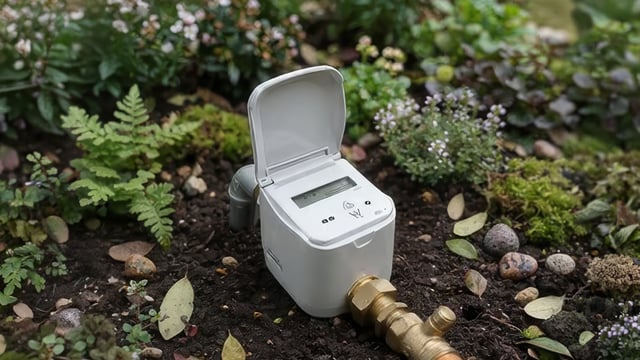
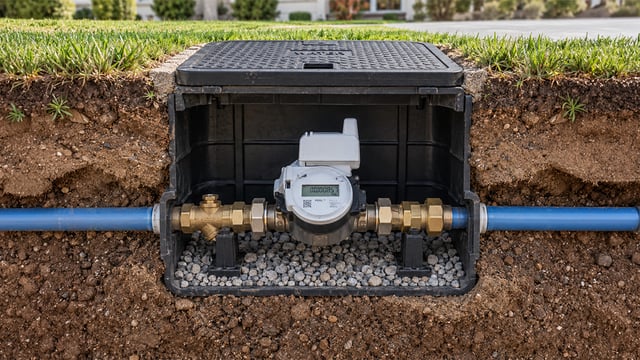
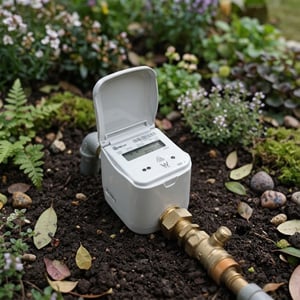
The Council of El Poble Nou de Benitatxell has begun installing 990 remotely managed water meters across the municipality, a Mediterranean town of roughly 4,100 registered residents in Spain’s Alicante province. The devices, connected via LoRaWAN communication technology, will replace conventional meters and transmit consumption data automatically, ending manual meter readings. The council announced the rollout on July 28, 2026, framing it as part of a wider digital transformation of the municipal water supply service.
A LoRaWAN Network Replaces Manual Meter Reading
The new meters will send consumption data remotely and periodically to the municipal utility, removing the need for staff to visit individual properties to record readings. Officials say the shift is expected to improve billing accuracy and give the council near real-time visibility into network performance. The technology is designed to flag unusual consumption patterns automatically, which the council links to faster detection of leaks and other anomalies in the drinking water network.
Water Scarcity Is The Stated Driver
The council frames the meter rollout against a backdrop of water scarcity affecting the wider region, a recurring pressure along Spain’s Mediterranean coast during peak tourist season. Officials argue that granular consumption data allows the municipality to respond faster to network incidents and to manage a limited resource more efficiently. Benitatxell’s registered population swells considerably during the summer months, a seasonal pattern common to coastal towns in the Marina Alta comarca, which adds strain to water infrastructure sized for a much smaller year-round base.
“The installation of these 990 smart meters is a decisive step in the modernisation of our supply service. Thanks to digitalisation we will be able to optimise water management, detect incidents more quickly and offer a more efficient and sustainable service, adapted to the current and future needs of the municipality,” the council’s government team said, in the municipality’s July 2026 announcement.
EU Recovery Funds Underpin The Project
The metering rollout sits within Benitatxell’s Tourism Sustainability Plan in Destination, a program financed by the European Union through Next Generation EU funds under Spain’s national Recovery, Transformation and Resilience Plan. That plan channels EU pandemic-recovery money into tourism-linked infrastructure upgrades in Spanish municipalities, of which water digitalization is one recurring category. The council describes the meter program as one step toward broader applications of smart-territory management tools, without detailing what those future applications might include.
What The Council Has Not Disclosed
The council’s public statements do not name the meter manufacturer, the LoRaWAN network operator, the systems integrator carrying out installation, or the total cost of the metering component within the wider tourism sustainability plan. No installation completion date has been published. Regional press coverage of the announcement has not added contracting details beyond what the municipality itself released.