in Barcelona
 3 to 5 Nov 2026
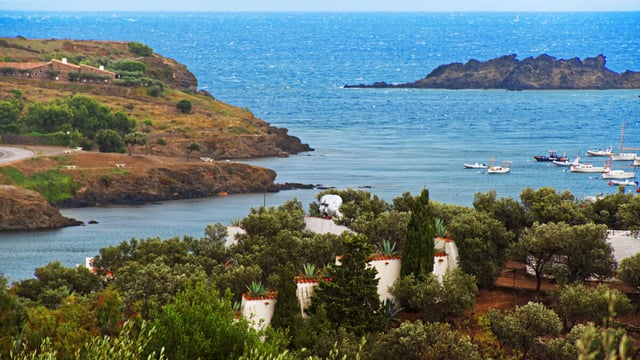
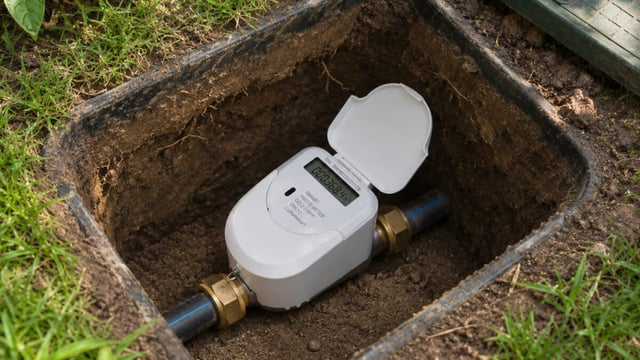
The Ajuntament del Port de la Selva, the council of a coastal municipality on the Cap de Creus peninsula in the Alt Empordà comarca of Girona, Catalonia, has put into force a 19-year drinking water concession with Sociedad General de Aguas de Barcelona, S.A.U., the Spanish water company of the Veolia group. The contract commits €6.12 million to network renewal, including the replacement of 9 kilometres of pipe and of 2,619 water meters with remote-reading units.
The contract took effect on 3 November 2026, two months after the municipal plenary awarded it unanimously on 4 September 2026 to the best of four bids. The council and Veolia presented the investment programme to the town’s governing team on 9 November.
How The €6.12 Million Divides Between Transmission Pipes And Meters
According to the council’s award notice, the concessionaire’s investment commitment totals €6,124,257.65 and is scheduled over the first 15 years of the 19-year term, while the operator pays the council an annual canon of €0.15 for every cubic metre billed.
Track tenders like this
New smart water tenders worldwide, flagged daily with an AI summary.
The bulk of the money goes to the transmission (alta) network that carries water from the intakes to the reservoirs, which receives €5.07 million, while €809,000 is allocated to the distribution (baixa) network and €241,000 to meter renewal, according to RETEMA.
The meter budget works out at €92.02 per device, below the €138.67 per unit implied by the 2,250 remote-reading meters that Veolia is installing for €312,000 in La Font d’en Carròs in Valencia. The difference will depend on how much installation and reading service each contract books within its meter line.
“The new drinking water supply contract will mean an unprecedented modernisation for the municipality,” said Lídia Ferrer, Mayor of El Port de la Selva, as reported by El Gerió Digital on 9 November 2026.
Sectorisation, Telecontrol And A New Reservoir In La Mora
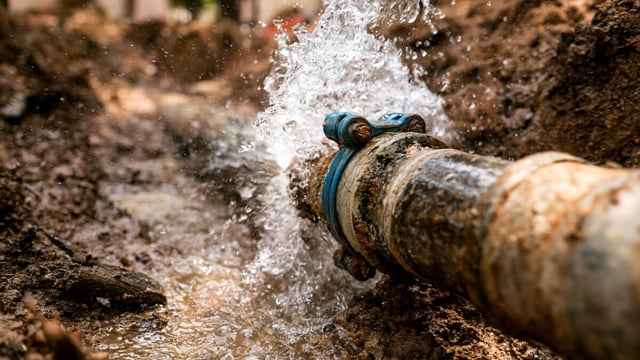
The works follow the municipal Pla Director de l’Aigua, the water master plan that received final approval in February 2026. They begin with the replacement of 9 kilometres of pipe that has reached the end of its service life together with the renewal of the main conduits and the adaptation of the existing reservoirs.
A new reservoir will be built in the La Mora neighbourhood. The network will also be divided into hydraulic sectors in which the transport mains from the water intakes are physically separated from the distribution pipes, an arrangement intended to make it easier to locate breaks and to measure losses sector by sector.
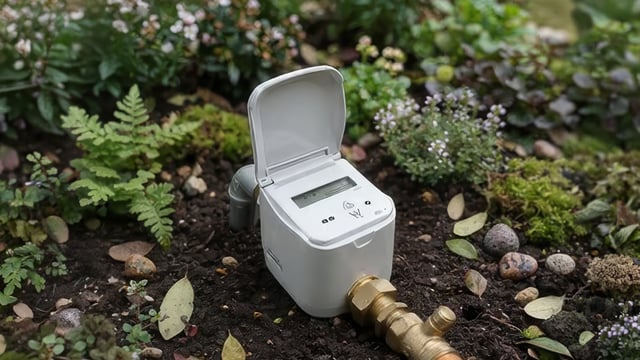
The digital layer combines the 2,619 remote-reading meters, which are due to be installed in the first year of the contract, with pressure regulation, new flow meters, leak detection equipment, real-time water quality sensors and a centralised telecontrol system. The programme also adds hydrants and new pumping and regulation equipment.
Reservoirs without a grid connection will receive photovoltaic panels with battery storage to power their control equipment, and the plan also targets the energy efficiency of pumping.
A Supply System Tested By Salinity And Seasonal Demand
El Port de la Selva has bought its bulk water from the Consorci d’Aigües Costa Brava Girona since October 2023. That month the town transferred to the consortium a source made up of two 15-metre wells in the bed of the Romanyac stream that pump to the municipal reservoir on the Puig de les Forques.
That arrangement was tested in August 2024, when one of the two wells became clogged by salt deposits and the town lost supply in peak tourist season, Catalan News reported. The council had already warned residents not to use tap water for drinking or cooking, and tankers from Colera and a temporary pipe from Llançà were used to refill the reservoirs.
The meter count is 2.49 times the registered population, so the consumption and loss data produced by the new devices will be shaped largely by seasonal occupancy of properties rather than by the resident base. Night-flow analysis in winter and in summer will describe two very different networks.
Separately from the concession, the council’s governing board approved on 6 July 2026 a €858,914.16 project, excluding VAT, to replace the fibre-cement main between l’Arola and the Església Vella reservoir and to feed the Mirador reservoir through a new pumping unit.
From Viability Study To A Four-Bid Award
The council’s plenary approved the economic and financial viability study for the new concession on 24 October 2025 and put it on public display on 19 November 2025, while the previous concession continued to operate under an extension.
The tender, file 144/2026, was published as an open procedure on the Catalan public procurement platform on 27 February 2026 with a bid deadline of 30 March 2026. The award in September left a 15-business-day window for appeals by the three unsuccessful bidders before formalisation.
Veolia’s Run Of Catalan Water Concessions
The award adds to a sequence of Catalan concessions won by Veolia companies in 2026, including the Maçanet de la Selva drinking water concession, which carried an estimated value of €65.37 million. That contract went to Sociedad General de Aguas de Barcelona on 9 February 2026, also after four bids.
At metropolitan scale, the Barcelona Metropolitan Area’s council ratified in September 2026 a 25-year water concession for eight municipalities with about 230,000 inhabitants, worth more than €1.08 billion and contested by seven bidders, according to ARA.
Veolia has been folding more than 100 local operating brands in Spain into its own name, a consolidation covered by Kurrantly. That is why a contract signed by the Agbar legal entity is presented locally as a Veolia contract led by Albert Ruart, the company’s director for Girona-Costa Brava.
In Cunit, Tarragona, a €442,000 network digitalisation contract awarded to Veolia was funded mainly through a grant from Spain’s Ministry for Ecological Transition. El Port de la Selva has instead written metering and telecontrol into the concessionaire’s own investment obligations.
The First-Year Milestones That Will Set The Baseline
The council will present the water master plan to residents at Espai Port on 30 November 2026. The meter replacement scheduled for the first contract year sets November 2027 as the point at which every connection should be reading remotely.
Once the sector flow meters and the 2,619 remote-reading meters are both live, the operator will be able to produce a measured water balance for each hydraulic sector. The loss figure recorded in that first full year, summer peak included, is the baseline against which the remaining 18 years of the concession’s leak-reduction programme will be judged.