in Barcelona
 3 to 5 Nov 2026
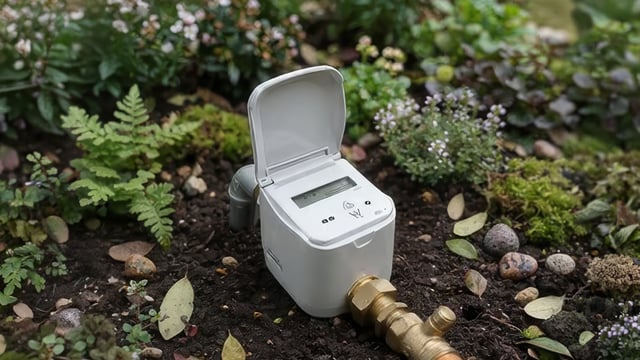
GWF, a company specializing in high-quality mechanical, ultrasonic, and radar metering and measurement devices for the water sector, has partnered with Microsoft to implement GWF BALANCE, an AI-driven solution aimed at reducing water losses in distribution networks and improving water access in water-stressed regions. The initiative, unveiled at the World Economic Forum in Davos, Switzerland, leverages advanced data analytics and AI to optimize water networks without costly infrastructure upgrades.
The technology should identify leakage conditions and adjusts zone pressure to reduce water loss by approximately 35%, while maintaining safety and service standards. It should also lowers energy consumption for water treatment and pumping, cutting costs and carbon emissions. According to GWF the solution has already shown success in cities across South Africa, Europe, the UK, and the US.
The collaboration aligns with Microsoft’s goal to become water positive by 2030, focusing on innovative projects that offer environmental and social benefits. GWF BALANCE aims to provide a scalable, cost-effective model for urban water management, helping cities reduce supply interruptions, extend services, and achieve long-term savings.