in Barcelona
 3 to 5 Nov 2026
Lacroix, a manufacturer of local telemetry systems, and Purecontrol, a developer of intelligent industrial automation software, have formed a partnership to try to improve wastewater management. The collaboration was announced at the Carrefour des Gestion Locale de l’Eau in Rennes on January 22, 2025.
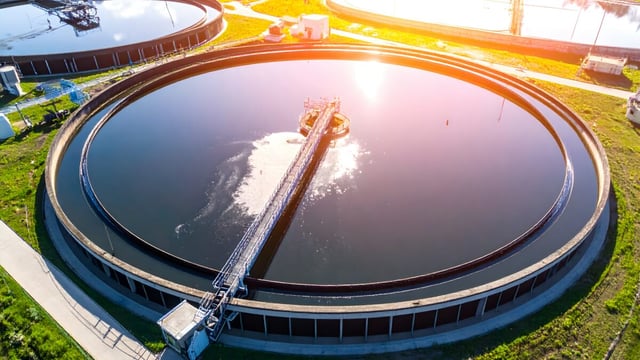
The partnership focuses on optimizing the management of pumping stations by integrating Lacroix’s S4W local stations with Purecontrol’s AI-powered software. Pumping stations are essential in wastewater systems, particularly when drainage levels are below the collection network or treatment plants. Lacroix’s S4W stations provide localized control, while Purecontrol’s software uses artificial intelligence to adjust operations based on real-time data and weather forecasts.
The system dynamically manages pumping operations, shifting between “dry weather” mode, which emphasizes energy efficiency, and “rainy weather” mode, designed to prevent overflow. By anticipating rainfall, the solution activates pumping in advance and prioritizes high-risk stations, potentially reducing energy costs by an average of 10% and decreasing overflow incidents by 20% to 70%.