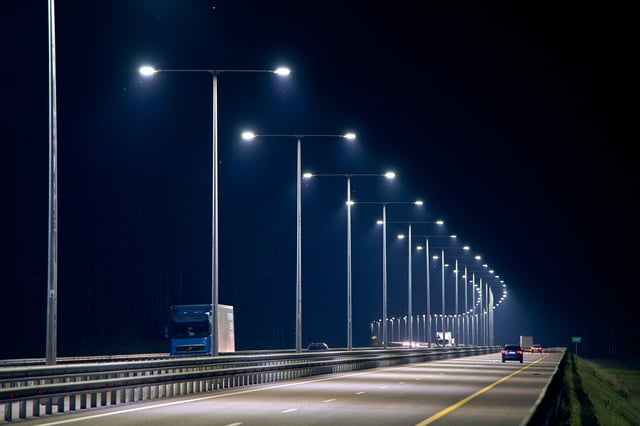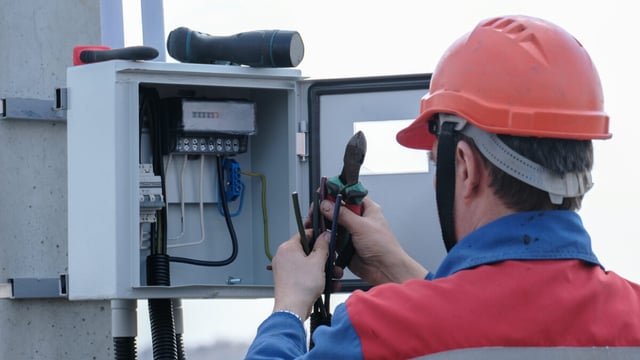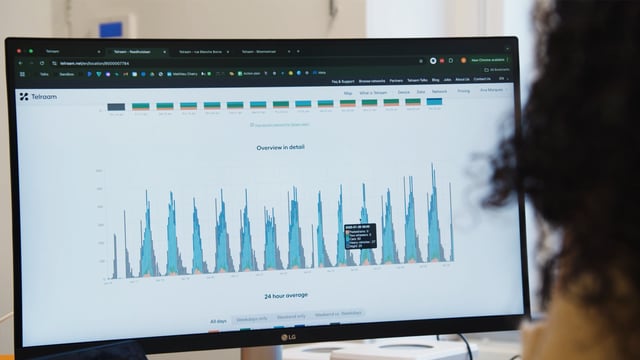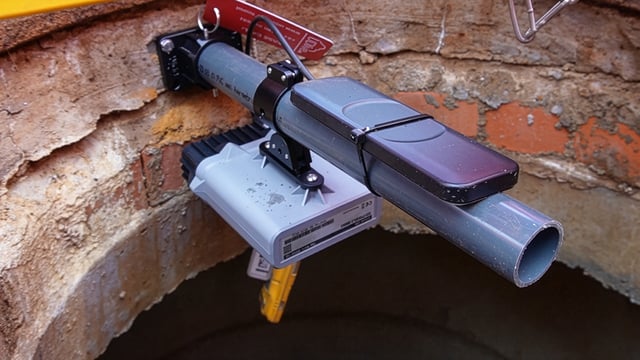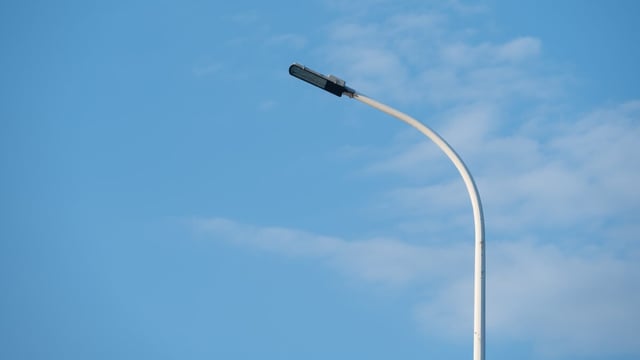
The executive committee (Giunta) of the Comune di Latina, the municipality in the Lazio region of central Italy, approved on 8 October 2026 a public interest declaration for a project financing proposal worth more than €13,500,000 excluding VAT, submitted by a consortium in formation between Engie Servizi S.p.A. and I.F.M. Italiana Facility Management S.p.A., according to local reporting by Latina News of 9 October 2026. The private partners would finance the energy upgrade of about 110 municipal buildings and the renovation and operation of about 14,500 public lighting points and 400 electrical cabinets, and would add telecontrol, emissions monitoring, connectivity and cybersecurity services under a smart city heading.
The decision does not award a contract. It recognises the collective interest of a proposal that reached the administration as an unsolicited initiative, and it opens a public notice lasting at least 60 days during which other operators may file competing proposals, a step the municipality’s maintenance department is preparing for publication in the Amministrazione Trasparente section of its website.
What the Proposal Covers, and What Is Still Undefined
The scope has three parts that carry very different risk profiles. The first is the thermal and electrical efficiency work on roughly 110 school and municipal buildings, the second is the public lighting asset of about 14,500 light points, and the third is a layer of digital services that the municipality has described only by category.
The municipal communication reported by Latina Oggi does not state the contract duration, the annual fee the municipality would pay, the energy savings the proponents guarantee, or the number of sensors and gateways behind the telecontrol and monitoring services. Those parameters normally decide whether a project financing deal reduces municipal spending or only moves it from capital to operating budgets.
Mayor Matilde Celentano said the arrangement would let the city upgrade more than one hundred school and municipal buildings without weighing on the municipal budget, a claim that rests on the private investment holding up under the financial verification still to come. The 14,500 light points and 400 cabinets imply an average of about 36 points per cabinet, which gives a rough measure of how much of the telecontrol work would sit at cabinet level rather than at individual luminaires.
The published figures do not split the €13,500,000 between buildings, lighting and digital services, so no per-asset benchmark can be derived from them.
How Italian Project Financing Shifts Risk, and Where It Does Not
In an Italian public-private partnership of this type, the private party funds the works and recovers the investment through payments linked to performance and, in some structures, through savings on energy bills. The municipality has said it must still verify two conditions before any award: that operating risk is effectively transferred to the private party, and that the arrangement is economically and financially convenient for the administration.
The two tests decide whether the deal is a concession or a deferred-payment purchase: a transfer of risk that exists only on paper, for example through fixed payments that cover the investor’s costs regardless of results, would leave the municipality carrying the exposure.
The deputy mayor and public works councillor, Massimiliano Carnevale, framed the resolution as a change in how maintenance is handled. Carnevale said the municipality was making a “svolta decisiva nella gestione delle manutenzioni e delle utenze energetiche comunali”, as reported by Lazio TV on 9 October 2026, which translates as a decisive turn in the management of municipal maintenance and energy utilities.
Vendor Position and Market Context
Engie Servizi belongs to the Engie group, which sells energy services in Italy, while I.F.M. Italiana Facility Management is a facility management company; the consortium is still being formed, so its legal structure and the split of responsibilities between the two companies are not public.
Under Italy’s public contracts code, which the deputy mayor said the procedure will follow, the proposer of a project financing initiative can hold a pre-emption right in the later competitive phase, which would give the first mover an advantage over challengers that must price a specification they did not write. Whether that right applies here, and on what terms, depends on the procedure the municipality selects.
The reports do not say whether the technical file is public, so outside observers may not be able to test the building list, the lighting inventory or the energy baseline against the proponents’ assumptions. A lighting inventory that overstates the number of points, or a building energy baseline built on a mild year, can distort the savings that fund repayments across the whole contract term.
The Questions the 60-Day Window Will Answer
The notice had not been published when the municipality announced the decision, and the maintenance department is expected to prepare it within days, so the earliest close of the competing-proposal window falls in December 2026 or later, which leaves little time before the year-end budget cycle for any detailed comparison of offers.
The notice period will show whether any rival operator is willing to compete against a proposal whose technical and economic file the municipality has already reviewed. If none appears, the quality of the municipal baseline and the public interest assessment become the main safeguards for residents.
The figures that remain unpublished will decide whether the €13,500,000 investment is a net saving for Latina or a long-dated commitment: the contract term, the fee schedule, the guaranteed energy savings, and the penalties if the monitoring services fail to deliver the data the municipality needs.