in Barcelona
 3 to 5 Nov 2026
The city of Zaragoza is launching a municipal-wide environmental risk management scheme that combines a sensor network across ravines and urban areas with an artificial intelligence platform to process real-time data. The initiative is backed by a €14 million investment from Amazon Web Services (AWS), which will supply cloud, IoT, and AI infrastructure.
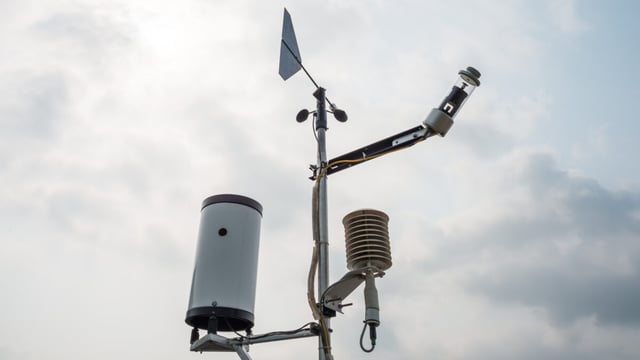
The first implementation phase will focus on 28 ravines across the municipality, covering some 634.64 km², with sensor stations equipped with rain gauges, solar panels, routers, dataloggers and webcams. These sensors will feed data on precipitation, humidity, wind, land movement, and pollution, which the AI platform will analyse to detect risk, issue timely alerts, and guide infrastructure maintenance.
Complementing the digital system, Zaragoza plans to undertake flood-mitigation hydraulic works in vulnerable zones such as Barranco de la Muerte and along the Z-30 ring road. These works include the construction of stormwater detention systems, dikes, underground channels, and redirecting flood flows toward new reservoirs. The municipal agency Ecociudad is expected to issue tenders by year’s end, with construction set to start in spring 2026.
The city administration frames the program as part of its broader push to boost resilience against extreme weather following the record torrential rains of July 2023 that stressed existing infrastructure.
AWS’s investment in Zaragoza builds on its broader pledges in Aragon: in March 2025 the company announced €17.2 million in regional flood-management and water efficiency projects.