← Back to all events



Smart City Expo World Congress Barcelona 2025
Driving Europe’s Digital Future with Chiara Venturini
How can European cities bridge the digital gap while becoming greener and more resilient? In this insightful talk, Chiara Venturini, Head of Digital Transformation and Economic Development at Eurocities, reveals how local governments are leading Europe’s digital and green transitions. From AI and digital twins to governance and funding, discover what’s shaping the future of smart cities across the continent.
📖 Read Video Transcript
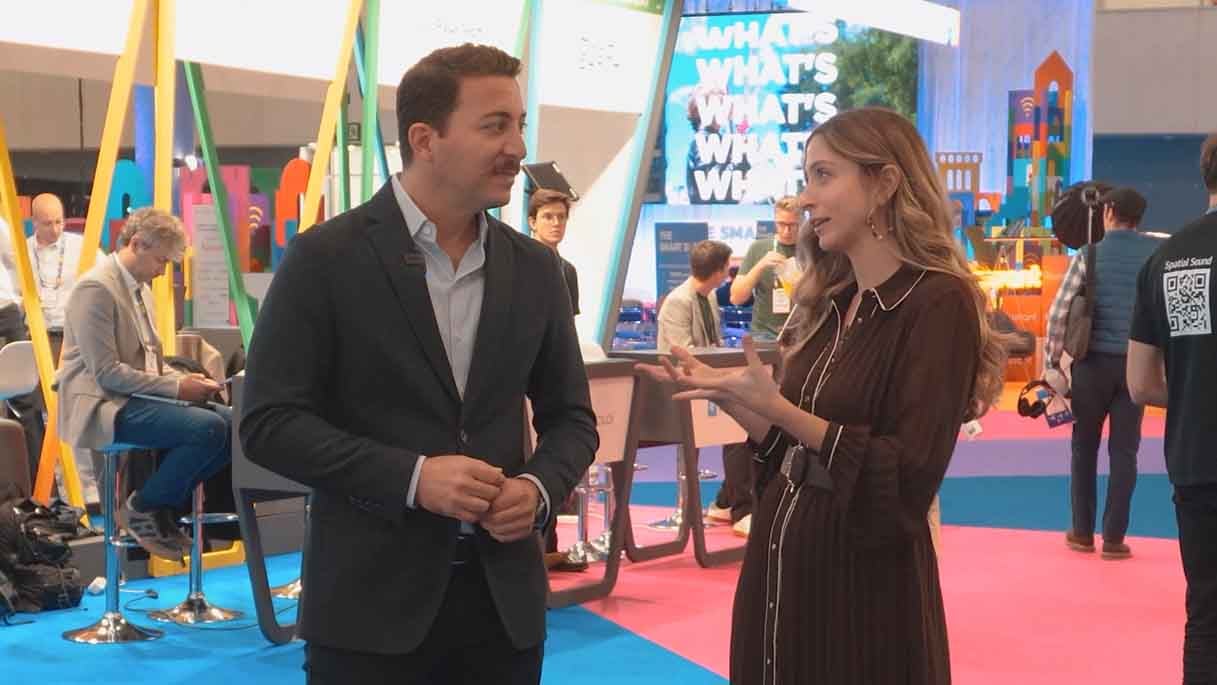
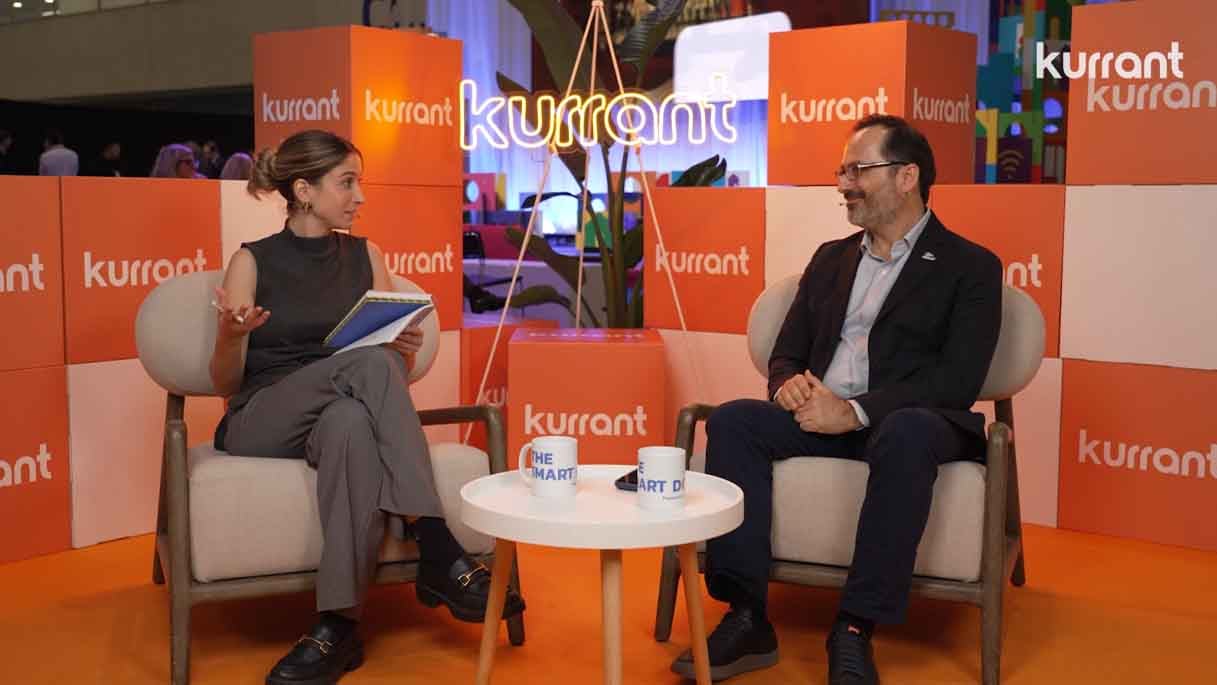
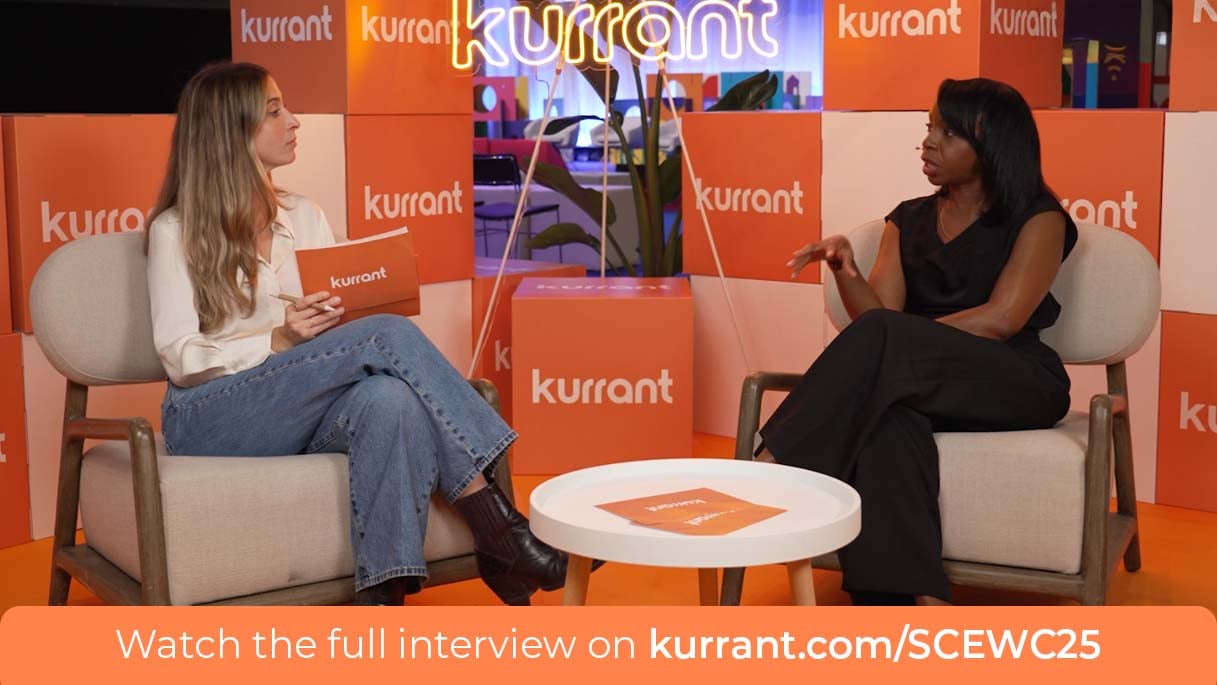
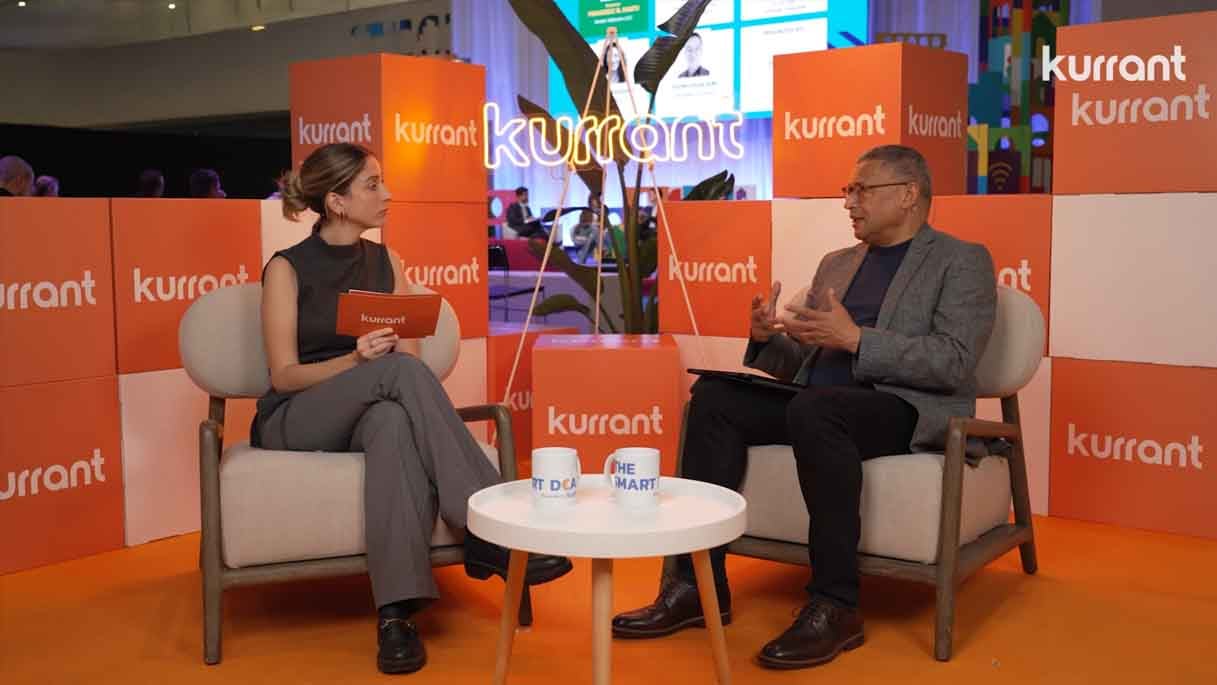
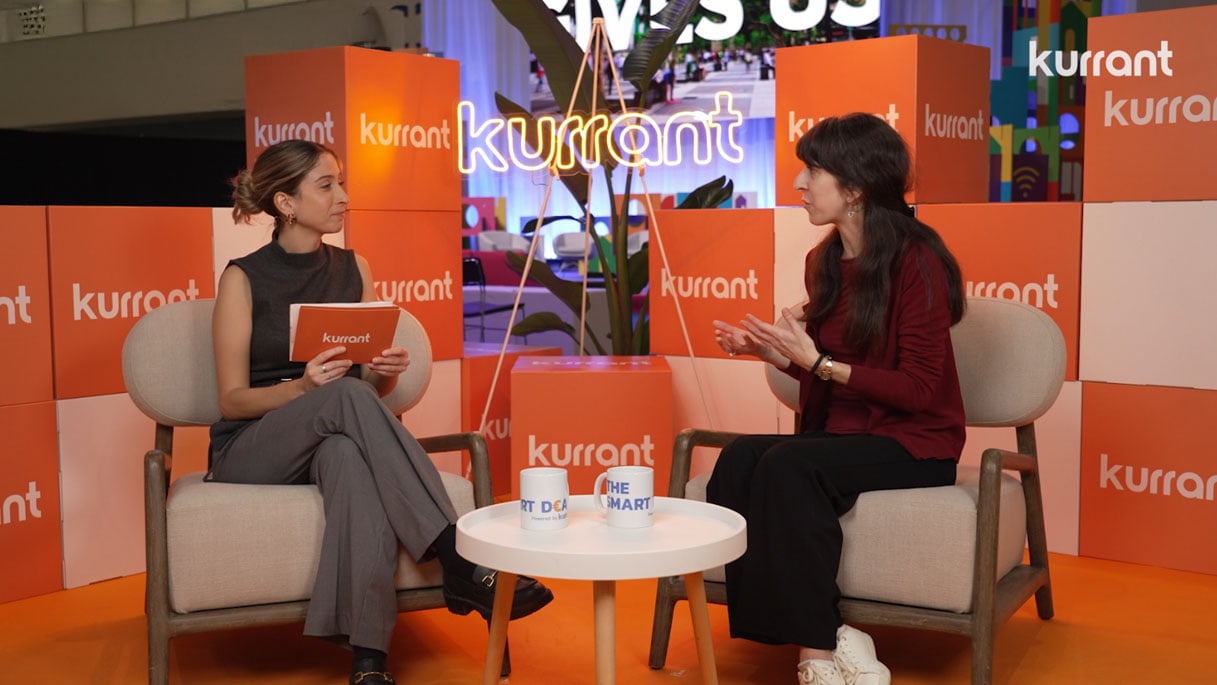
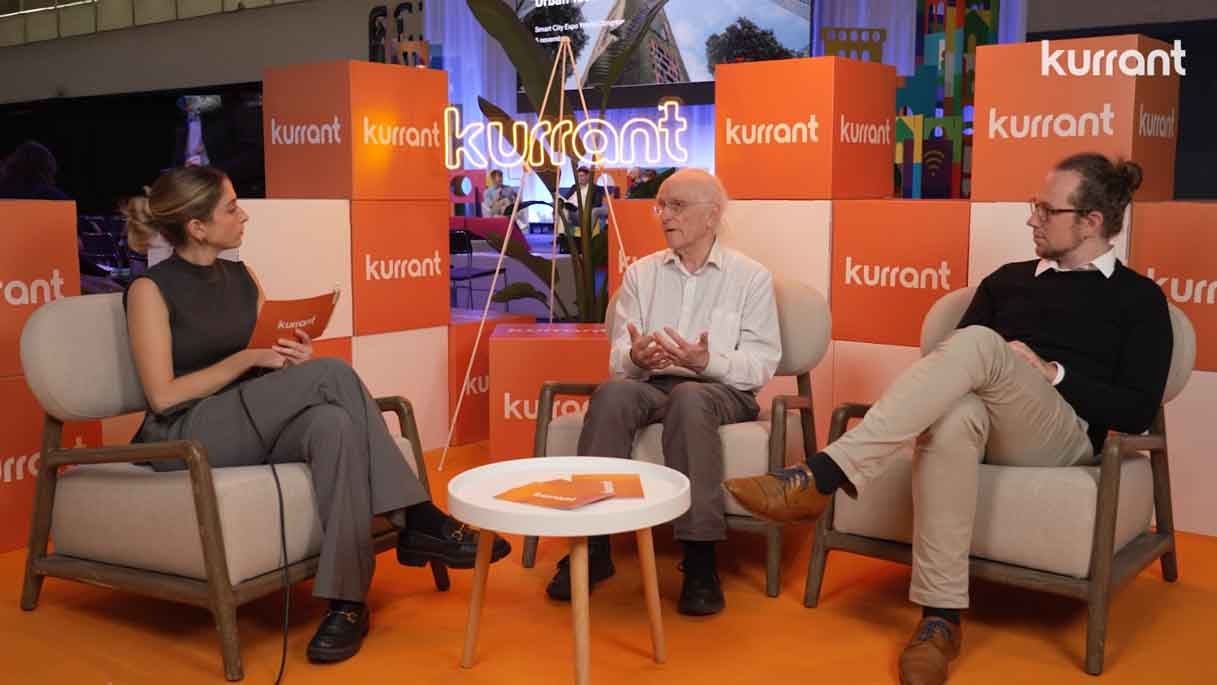
Hello from the Kurrant studio at the Smart City Expo World Congress in Barcelona. I'm here with Chiara Venturini, Head of Digital Transformation and Economic Development at Eurocities, which is the largest network of European cities and helps link cities with the EU, and the smart city industry market, which we'll be discussing. What are the biggest digital transformation challenges European cities face today? Is it infrastructure, is it skills, governance or funding? Can I say all of the above? Yes, you can. The problem is not just that these challenges are very real, but also that the way they intertwine means that they can reinforce one another. So for instance, if a city is lagging a bit behind with the modernization of its digital infrastructure, but it also lacks internally the capacity to do that because people do not have the right skills, that's going to slow down the process even more. And if on top of that, you don't have funding because we live in an era of budget cuts, then you also cannot outsource this process. I would say governance is actually a very positive point, because cities are doing a lot to bring people in from the very beginning when they design their digital transformation, so that all the categories of users, basically the residents that will use digital public services are brought in from the beginning. And this is a very inclusive governance process. So that is why, that is not a coincidence. I think that the OECD Trust Barometer survey, year after year, consistently finds that cities are the most trusted level of government. Okay. Makes sense. And there is another struggle which is data. Yes. Many cities have data but struggle to use it effectively. So we can say it's kind of like easy to get the data, but then using it, like using it effectively, not so much. How can local governments build real data driven decision making capacity? I would also not always assume that it's necessarily easy to get the data. We still know that sometimes it can be difficult to access the data sets held by private operators, but it's definitely true that getting the data is just the first step. The other key point for you to be able to use the data is that it needs to be good quality. So interoperability is a word that gets thrown around a lot, but for good reason, I think, because if you don't have good data sets that you can reuse across the different applications in the city, then you're going to have a problem. And I think in this case, collaboration and work on standardization are going to be fundamental, because if we all use the same type of data sets that are standardized, that makes it much more easier to recycle them and to reuse them across the different services. Okay. And let's go into another topic. So you oversee digital transformation and economic development. How can digitalization drive local economic resilience and growth? So the thing is I mean cities already have among the roles that of fostering the local economic ecosystems and support the companies that are on their territory. So digital transformation is another way that they do that. And there are various ways. The most immediate one, obviously, is to make the public system easier to navigate and to access. And so using digitalization to make the process easier for companies, because that reduces their administrative burden and therefore it reduces costs. Then there is also the aspect of knowledge transfer, because a lot of companies in Europe are SMEs and they do not necessarily have the digital skills that they need. I'm thinking, for instance, of cybersecurity. So there is a big role that the public administration can help in supporting them with that process and with acquiring the necessary skills. How could they help them? Like an example. But for instance, by creating platforms for knowledge exchange and helping with training, basically. And then there is the role of public purchasing, because, cities are public buyers. And in the EU alone, every year there is about €2 trillion that is spent in public procurement, which is equivalent to 14% of the EU GDP. And of all that public expenditure, about 45% is spent by local authorities. So it means that cities have a big lever that they can use and using basically their purchase power to support local companies that are innovative and that ultimately contribute to growth and to competitiveness. Okay. And so you were talking about SMEs. What role do startups play in the European smart city ecosystem compared to big tech providers? Yes, I am reminded of the Chinese curse. ‘May you live in interesting times’ because we definitely live in interesting times. It's a moment of shifting equilibrium in terms of like the geopolitical changes and so on. So I think for Europe, we are in this moment reassessing our degree of technological dependance and so on. So I think it's not necessarily just startups, but EU based companies that really have a role to play in this shift to a digital transformation that is really driven by a common European digital culture, which is quite important. And for that to happen, we simply need to build the environment for them to be able to thrive, to scale up and to basically prosper. So I think that they have a big role to play. But we also need to build a landscape in which they can operate. And now let's jump into a topic that I mean everyone talks about it. AI. But how do you see AI and also digital twins helping cities achieve those net zero goals? Well I think it's no coincidence. And we talk about a twin transition. So the green transition and the digital transition, not just because they are happening at the same moment in time, but because they are supposed to also support and reinforce one another. So we're talking on the one hand of greening digital and the efforts that we make to reduce the footprint of the ICT industry. But on the other hand, there are the applications of digital for a greening. And I think digital twins and AI are very interesting applications of that, because what I think is really important is the way that they enable a shift from just monitoring and reacting in real time to things like the monitoring of air pollution indicators or the water quality, the traffic situation in a city from that shift into a modeling capability where you can actually predict what is going to happen if you make changes, for instance, if you close a street to traffic. What repercussions is that going to have in the adjacent streets and so on. And the advantag is, you can do it before you have actually changed anything in the physical world. So you can go through this trial and error process. You can correct things before you have actually touched anything. So obviously it saves you time, it saves you resources, and it doesn't impact as much on residents quality of life. So that's quite promising. Okay. And let's talk about examples. What is a city, a European city, that you think is leading the way on digital transformation? And why do you think they're leading the way? So this is a bit challenging because of course Eurocities is a member association and all members are created equal. But of course first of all we are recording in Barcelona. And Barcelona has a really, really interesting application on their digital twin. They have worked quite a lot on that, and I think they already have quite a wealth of knowledge to share with other cities. I also like a number of the examples of Dutch cities that have been creating, again, 3D replicas of the city and virtual models, because many of these efforts are open source, which means that the large cities sort of lead the way, but then make the software available to all Dutch municipalities, basically, which is very much in the spirit of collaboration, that as Eurocities we promote. And then I think maybe for newcomers, Riga is a very interesting examples example, because it is a city that has not necessarily started from a very advanced point, but working, with other cities and learning from the ones that were already quite at an advanced level of digital maturity and also accessing EU funding, they have managed to really progress a lot in the last few years. And so it's a good, inspiring example, I think, for cities that are just getting started now. And then, my last question is if you could change one thing in the way the European Union supports city innovation, what would that be and why. Does it sound greedy if I just say money? (it makes sense) Because obviously the funding is an issue. As I mentioned, we live in an era of budget cuts and, cities do need reliable and continued funding because all the processes that we’re talking about, digitalization, they're all long term investment, long term decisions. And so having access to reliable funding is going to be fundamental. In the EU, it is an interesting moment because we are starting the negotiations for the next EU multiannual financial framework, which is the long term budget of the EU. It's a seven year budget, and the next cycle is starting in 2028. And so it will be fundamental to have earmarked funding for cities in the next MFF. So that then we can make sure the resources are there so that they continue investing in digital transformation, but also sharing experiences and pulling resources when that makes the most sense. Okay, I think it's it's a good answer because, I mean, at the end of the day, if you want to build more sustainable and smarter cities, you're going to need more funding. So it's a good answer. Thank you so much for your time. That's all for today, and thank you for watching.
Playlist: Smart City Expo World Congress Barcelona 2025
20 videos
Day 1 - Kicking off the Smart City Expo Barcelona 2025
The Smart Deal 2025: Pitch Day Highlights
The Smart Deal Reveal - Overview
LoRaWAN Turns 10: What's next? with Alper Yegin, CEO at the LoRa Alliance
Rochelle Haynes on Building Data-Driven, Equitable and AI-Ready Cities
Investing in Smart Mobility: Bridging Innovation and Infrastructure (Panel)
AI to Optimize Waste Management Across Cities with Daniel Panadero González
LA Street Lighting’s Smart City Playbook with Miguel Sangalang
Madrid’s Digital Strategy with Sonia Crespo Nogales
Gérard Wolf on The French Recipe for Sustainable Cities Video
Data From the Streets: Rethinking Smart Cities in Africa with Edgar Pieterse
Aleksander Rajch on the Future of Mobility in Central Eastern Europe
Scaling Urban Innovation with Gianmarco Piola and Pedro Moreira
From Living Labs to Trustworthy Data with Josep Laborda
Driving Europe’s Digital Future with Chiara Venturini
The Future of Urban Road Safety with Luca Pascotto
Building Smart, Equitable Cities with Debra Lam
Connecting Every School by 2030 with Irene Kaggwa
Smart City Expo 2025: The Wrap-Up
How AI and Accessibility Will Transform Urban Mobility with UCL Experts
More Smart City Expo World Congress Barcelona editions

🎥 Recent Event Coverage



🎬 Kurrant Originals
📰 Latest News


© Kurrant. All Rights Reserved. · Editorial Standards · Cookie settings
This site is protected by reCAPTCHA and the Google Privacy Policy and Terms of Service apply.