← Back to all events



Smart City Expo World Congress Barcelona 2025
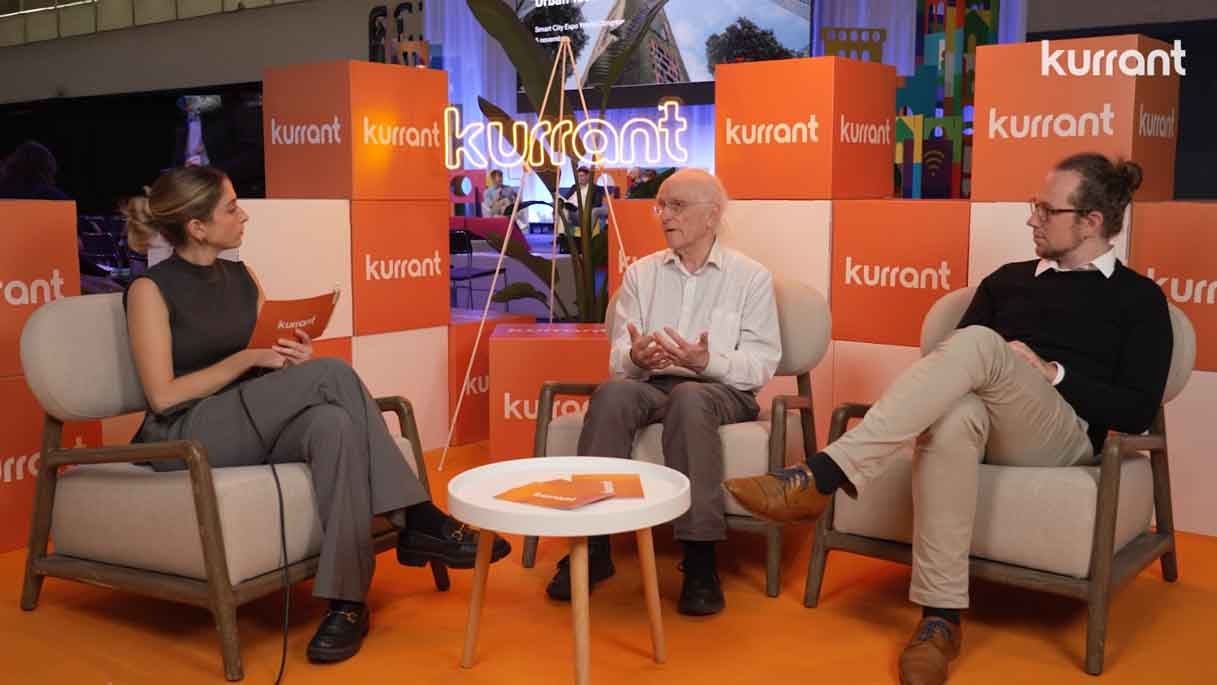
The Future of Urban Road Safety with Luca Pascotto
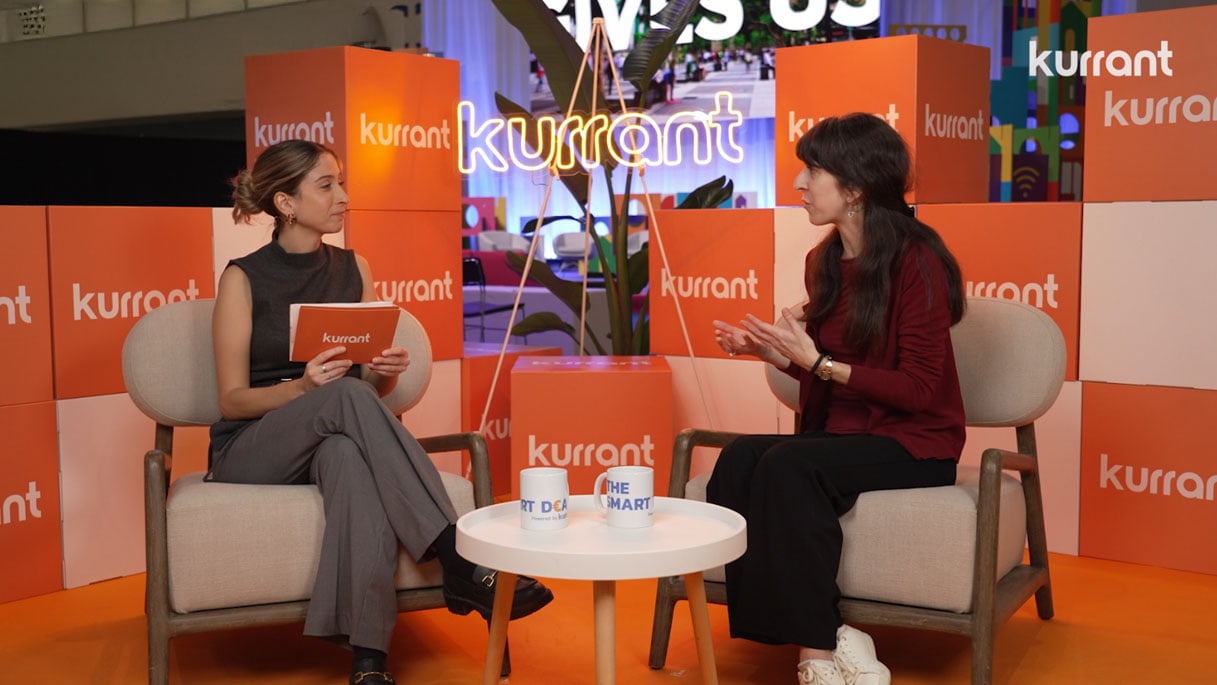
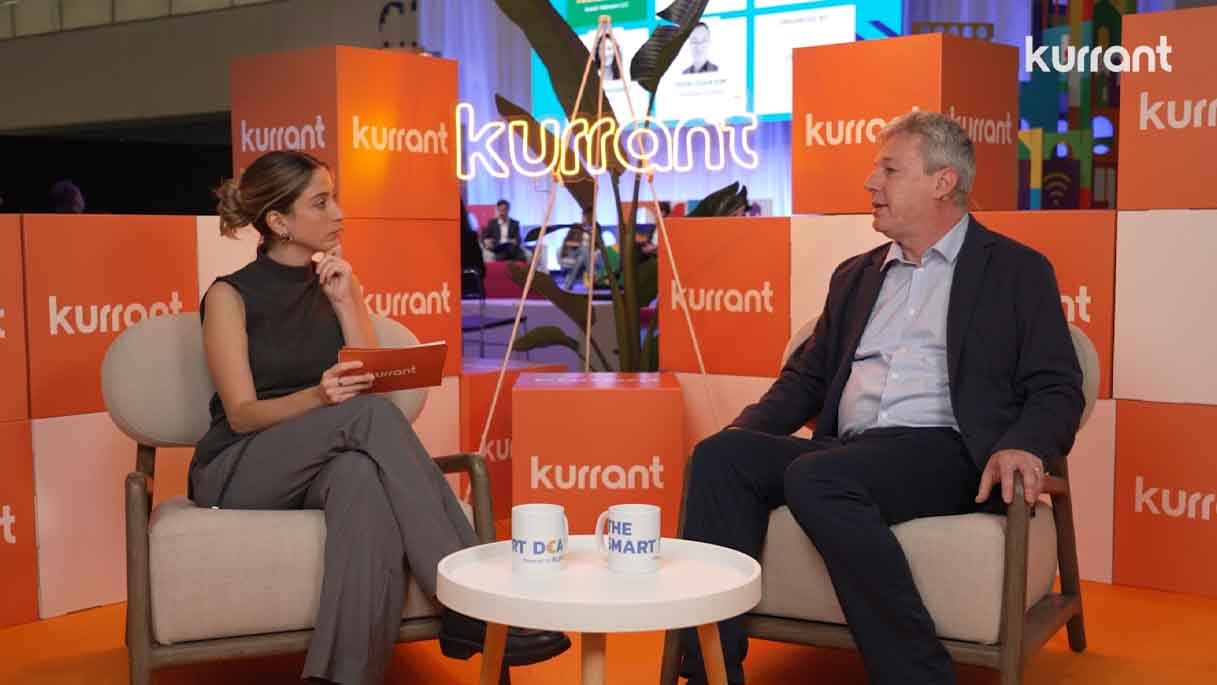
Luca Pascotto, Head of Road Safety at FIA, stresses that while smart cities pursue efficiency and low emissions, safety must remain central. Using data to shift from reactive to preventive action is key. FIA helps cities test evidence-based tech like AI-driven risk prediction (Roadscor) and fleet benchmarking (Driver Safety Index). He urges global standards, user trust, and cities to leverage procurement to enforce safety requirements, such as 5-star vehicles and transparent safety footprints.
📖 Read Video Transcript
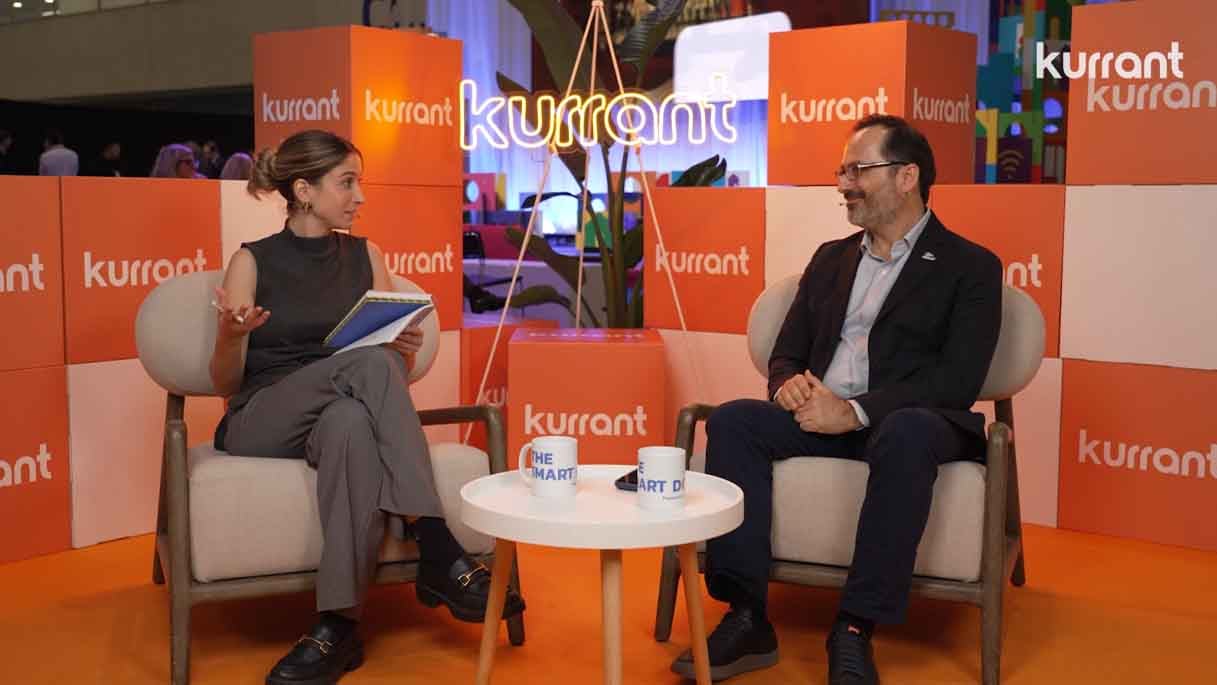
Welcome back to the Kurrant studio at the Smart City Expo World Congress in Barcelona. I'm here with Luca Pascotto who is the head of road safety at the FIA. We're going to be discussing road safety in a smart city context. So, Luca, how is the concept of road safety evolving in the era of connected and automated cities? Yeah. Thank you for having us here. First of all, we experienced here in the Smart City and Tomorrow Mobility World Congress, that cities are forced to improve efficiency, to improve emissions, to make, smart solution. But we shouldn't forget that safety is a key issue for many cities globally. Only in Europe, two out of five fatalities in 2020 where vulnerable road users, pedestrians, cyclists, motorcycle users and the same in the US. It is an alarming trending concern for pedestrian safety. So it's important that cities start using data to move, from reactive measure to preventive measure, anticipating risk and reducing possibility of getting involved in accidents. So you were talking about that need for data. Does the rise of smart mobility. You know sensors, connected vehicles, AI makes cities safer. Or does it also introduce some new risks. So in principle they are a very interesting opportunity for cities to use if they are user centric and if you are based on evidence. So we at the FIA, we are working to improve and to make mobility safer, more sustainable and more affordable for everyone. And before introducing a solution like this with city through our network around the world we help them testing technology to understand whether they are evidence oriented that actually deliver the impact they promise on the industry side. This is very important because there are several solutions available for city. It is important to be very selective and focus on those that are really delivering an impact on safety. So for that, a lot of times you need collaboration. So how can international organizations help align city level innovation with global road safety. So international organization has a strong responsibility to deliver the standards and international protocols for safety. So for example at the FIA we work a lot with iRAP promoting road assessment for road, for school, for city now. And it is very important that these are deployed in a, in a consistent way across the globe and giving clear information to policymakers on which are the improvements that are needed to improve. So, for example, school safety, through our star rating for school application, where we tested more than 2000 schools around the globe with other partners. At the same way, we can really measure impact and inform city on which are the best treatment to do. And let's jump into technology. What are the most promising AI or predictive analytics platform applications in road safety right now? One that's exciting. So innovation as I mentioned has to be really user centric. And I don't think there is a one solution that fits everything. Everything everywhere in the world is important to understand that in some country you might need to work on seatbelt wearing use, or you might need to work on helmet wearing use, while in other countries you can use the advanced technology, like the Roadscor project that we tested together with the city of Rome, to anticipate potential risks. Another area where we believe there is a lot of potential is to measure and benchmark, driver performance in fleet operator. Because if you start at racing organization at large, you have a larger impact. And we have just delivered the FIA Driver Safety Index that uses artificial intelligence to benchmark behavior and give information to companies on how they can improve safety on their on their fleets. And so AI is something everyone talks about in all the verticals, but in mobility as well, We talk a lot about automated mobility. So are we doing enough to prepare the cities to prepare governance, for these automated vehicles, automated mobility. So we think that it's extremely important to get user involved in this process. I think our role as FIA is to really mobilize our global network of clubs that are in touch with end user, that are real, real user on the street. if we don't build trust in technology, it will be very difficult to have a large scale deployment which is needed to to deliver a safety impact. And this is probably the most challenging. So, elements like privacy, cybersecurity has to be embedded in the design of the solution. And on the other side, we need to educate progressively consumer on the benefit of the solution. And at the same time, also industry should be clear on the on the product and the services they deliver to the market and including the limitations. And last question is if you could implement one policy or one innovation in every city tomorrow to improve road safety, what would that be? I think, city authorities in particular, a strong power to use their procurement power, actually to set standards on safety. So imagine if, city authorities could only request to have contract in place with a corporation that are open and transparent on their, traffic safety footprint, which is a constantly FIA introduce, and they are achieving, full control of the safety of their operation. Or imagine if, if a city require, fleets to, only use five stars euro NCAP cars in the operation, this would transform automatically and will raise up the standard, we have created a program to help both city and organization to go through this process, through the road safety index. Organization can measure their safety footprint and be more transparent with all the stakeholders, including the investor, on how they trade safety as part of their operation to protect the employees and to protect community where they operate. Okay. Makes sense. Thank you so much. That's all the time we have for our interview. So thank you for being here. And thank you for watching.
Playlist: Smart City Expo World Congress Barcelona 2025
20 videos
Day 1 - Kicking off the Smart City Expo Barcelona 2025
The Smart Deal 2025: Pitch Day Highlights
The Smart Deal Reveal - Overview
LoRaWAN Turns 10: What's next? with Alper Yegin, CEO at the LoRa Alliance
Rochelle Haynes on Building Data-Driven, Equitable and AI-Ready Cities
Investing in Smart Mobility: Bridging Innovation and Infrastructure (Panel)
AI to Optimize Waste Management Across Cities with Daniel Panadero González
LA Street Lighting’s Smart City Playbook with Miguel Sangalang
Madrid’s Digital Strategy with Sonia Crespo Nogales
Gérard Wolf on The French Recipe for Sustainable Cities Video
Data From the Streets: Rethinking Smart Cities in Africa with Edgar Pieterse
Aleksander Rajch on the Future of Mobility in Central Eastern Europe
Scaling Urban Innovation with Gianmarco Piola and Pedro Moreira
From Living Labs to Trustworthy Data with Josep Laborda
Driving Europe’s Digital Future with Chiara Venturini
The Future of Urban Road Safety with Luca Pascotto
Building Smart, Equitable Cities with Debra Lam
Connecting Every School by 2030 with Irene Kaggwa
Smart City Expo 2025: The Wrap-Up
How AI and Accessibility Will Transform Urban Mobility with UCL Experts
More Smart City Expo World Congress Barcelona editions
🎥 Recent Event Coverage

🎬 Kurrant Originals
📰 Latest News
© Kurrant. All Rights Reserved. · Editorial Standards · Cookie settings
This site is protected by reCAPTCHA and the Google Privacy Policy and Terms of Service apply.