 in Barcelona
 3 to 5 Nov 2026
← Back to all events
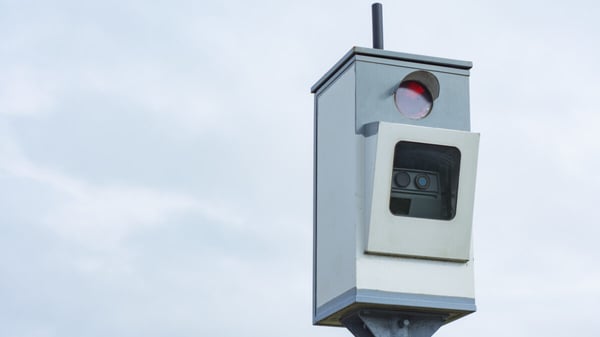 San José Hires Verra Mobility To Run 33-Site Speed Camera Pilot
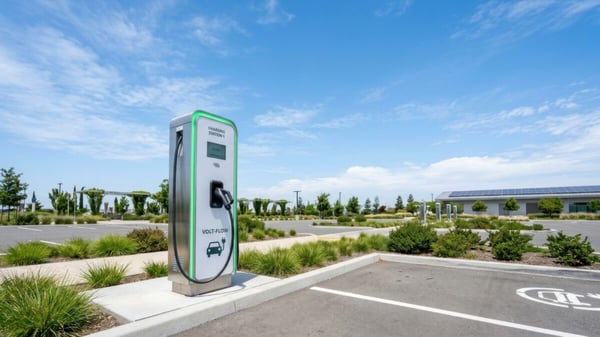 Ohio Commits $31M In Federal NEVI Funds To 40 New EV Fast-Charging Sites
 Australian Energy Regulator Lets Essential Energy Own 300 Streetlight EV Chargers In Regional NSW
 Autobahn GmbH Tenders 3,120 E-Truck Charge Points At 227 Serviced Motorway Rest Areas
 Columbia, Missouri To Start Smart Meter Installs In Spring 2027, Funded By Special Obligation Bonds
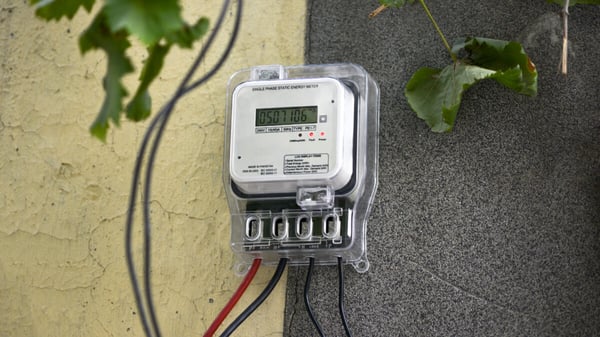 EDF Agrees To Buy Utilita Owner Luxion, Adding 1.3 Million UK Energy Accounts
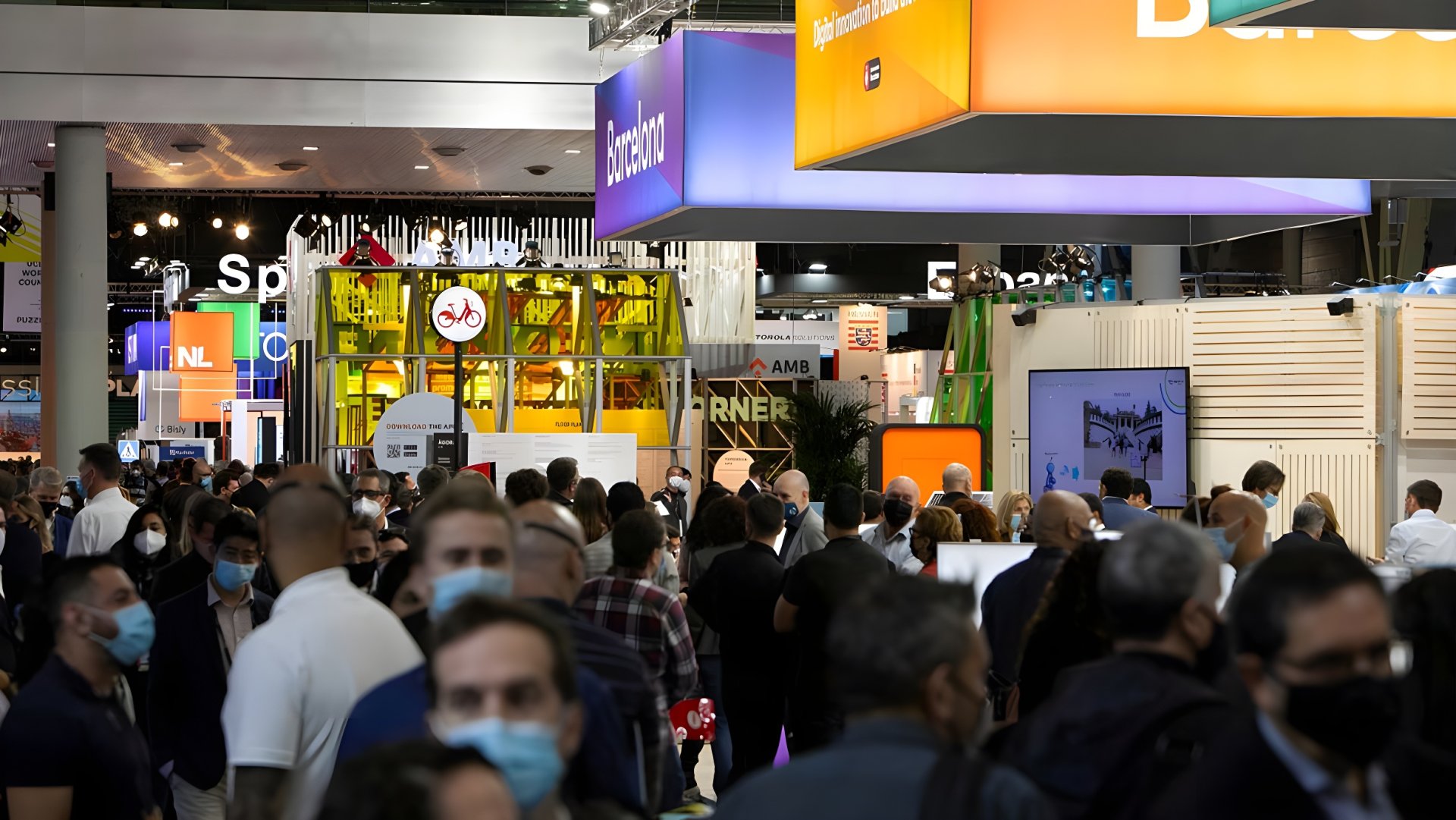
Smart City Expo World Congress Barcelona 2023
What are the Top 3 Use Cases in the Smart City Industry?
📖 Read Video Transcript
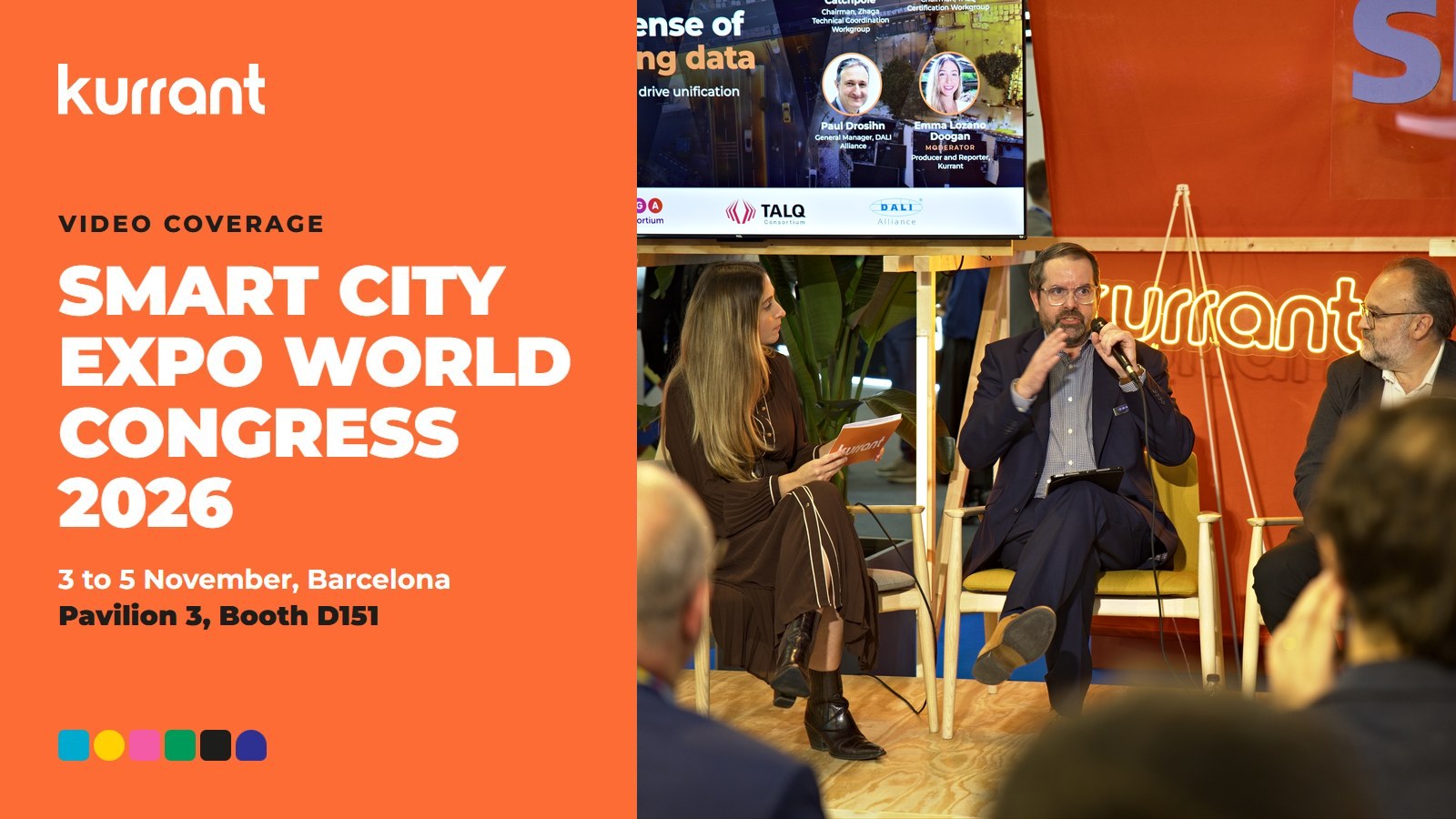
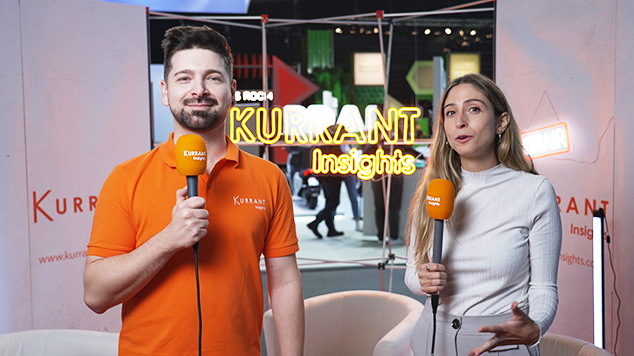
Another day at the Smart City Expo World Congress in Barcelona.
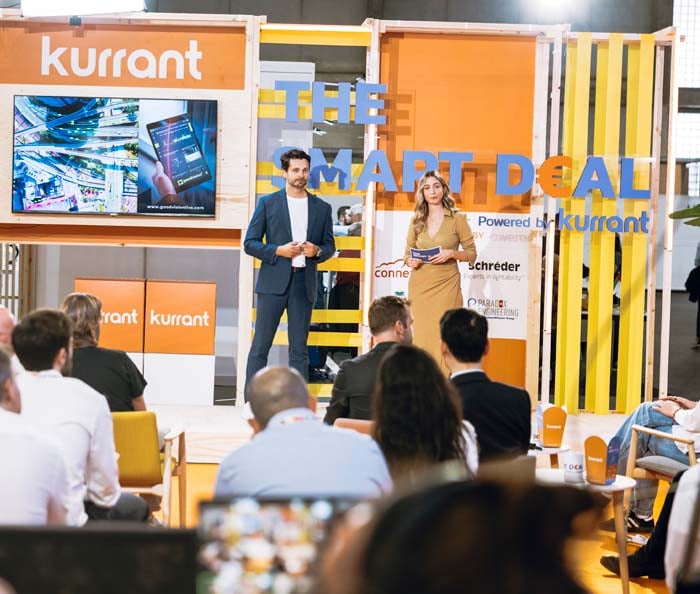
A day in which we’ve held panels at our booth and have done many interviews, but we've also walked around the convention centre to find out what the top three use cases are in the smart city industry, and what the hurdles are when deploying them.
I think the three main use cases is data integration, streetlighting, to make huge savings on a very rapid scale, and finally, how you ensure that mobility, which is a huge demand from citizens will occur very rapidly also.
For sure interoperability is one of the main challenges we have, because today the main hurdle with it is that the municipalities are working in different layers at a time.
So they start with the streetlighting layer, and then they want to implement e-mobility and then they want to implement water emitters and so on.
So the main hurdle is to ensure that these different layers will communicate.
This is where interoperability we believe is the way to go past the hurdles we see on the market now.
So coming from the TalQ consortium, which is a lighting consortium, obviously adaptive lighting is one of the smart city applications we’re seeing.
Also another one is environmental monitoring.
That's something that's very, very important.
And then when it comes to traffic, with vehicular traffic, we're looking at traffic monitoring and then parking as well.
I would say those are the top three.
The problem is there are an awful lot of test deployments out there at the moment.
We're not really seeing volume and I think the only way that you're going to start to get volume is by getting standardization out there.
So TalQ, which is the consortium that I'm involved with is very important for that.
So until we start to see those sorts of standards coming through, we're really not going to see adoption at a large scale.
I would say.
So a lot of streetlight, again, all the applications related to streetlighting.
Smart waste as well is another topic, waste management, but especially this year, AI, so AI generated data, devices linked to AI monitoring, all the applications basically you can have with AI cameras or any other devices.
Use cases that I'm seeing in the digital twin industry is one of them is for flood simulation.
So anything having to do with climate resilience.
Another climate resilience use case is urban heat islands.
So being able to identify what are the locations of the city that are most vulnerable to heat islands.
So some of the challenges that we face when deploying a solution is governance as well.
So cities having different departments involved in these projects and sometimes there's a lack of ownership or being able to have that accountability for who is going to take the lead on the project.
And then also this misconception that we need to have all the data and we need to have all the perfect models and have all the governance in place before this can actually get launched.
For us, the main use cases that we are deploying today is smart metering, water, gas and electricity, smart metering.
Streetlighting, so streetlighting management.
And the third one is smart parking, all parking, street parking and closed parking.
We need to have an open standard to ensure we can have competition, so the price optimization.
The second one is to have a solution for future-proof. so that means to scale with the other use cases.
So open standard and open solution.
There are quite a few trends in the smart city industry, but it seems like streetlighting is still ruling it, and the lack of openness and interoperability are a hurdle to deploying solutions.
We'll be back tomorrow for more coverage of the Smart City Expo.
More Smart City Expo World Congress Barcelona editions
Latest Kurrantly News
All news
San José Hires Verra Mobility To Run 33-Site Speed Camera Pilot
Ohio Commits $31M In Federal NEVI Funds To 40 New EV Fast-Charging Sites
Australian Energy Regulator Lets Essential Energy Own 300 Streetlight EV Chargers In Regional NSW
Autobahn GmbH Tenders 3,120 E-Truck Charge Points At 227 Serviced Motorway Rest Areas
Columbia, Missouri To Start Smart Meter Installs In Spring 2027, Funded By Special Obligation Bonds
EDF Agrees To Buy Utilita Owner Luxion, Adding 1.3 Million UK Energy Accounts
Latest Kurrant Originals
See all
Kurrant advisory
Planning a smart city or utility project? Talk to Kurrant.
Behind these interviews is Kurrant's advisory team, working with utilities, cities and the companies that serve them.
- Strategy AdvisoryKurrant is actively involved in resolving the challenges that cities, utilities and industry players are facing.
- M&A AdvisorySmart city and utility expertise for successful deals, turning insights into strategic gains.
- Engineering & ProcurementBetter engineering and procurement decisions, by identifying and developing digital and IoT solutions across use cases.
Or write to us: contact@kurrant.com
Send us a message
© Kurrant. All Rights Reserved. · Editorial Standards · Cookie settings
This site is protected by reCAPTCHA and the Google Privacy Policy and Terms of Service apply.