in Barcelona
 3 to 5 Nov 2026
Microsoft and Aganova have teamed up to launch a water replenishment project in Spain using advanced AI technology. This initiative, in partnership with the Mancomunidad de Aguas del Sorbe (MAS) near Madrid, aims to improve leak detection and repair in water distribution networks.
The AI-driven solutions should help identify leaks in MAS’s trunk mains, conserving water and improving drought resilience. To achieve this, the project is structured around several key components:
- AI Technology Integration: The project utilizes AI-driven platforms, Nautilus and Nemo, developed by Aganova. These platforms assess the condition of pipes and detect leaks with high precision.
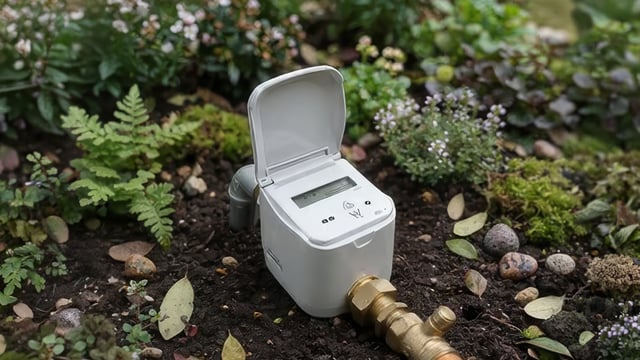
- Leak Detection: AI algorithms analyze data collected by sensors within the water distribution network. These sensors monitor parameters such as pressure, flow rates, and acoustic signals to identify anomalies indicating leaks.
- Data Analysis and Reporting: The data from the sensors is transmitted to a central system where AI processes it in real-time. This allows for quick identification and localization of leaks.
- Actionable Insights: The system generates reports and alerts for the utility company, enabling prompt repair actions to minimize water loss.
- Community Engagement: Residents can access data and receive notifications about water quality and potential issues through an app developed by JustAir Solutions, enhancing public awareness and involvement.