in Barcelona
 3 to 5 Nov 2026
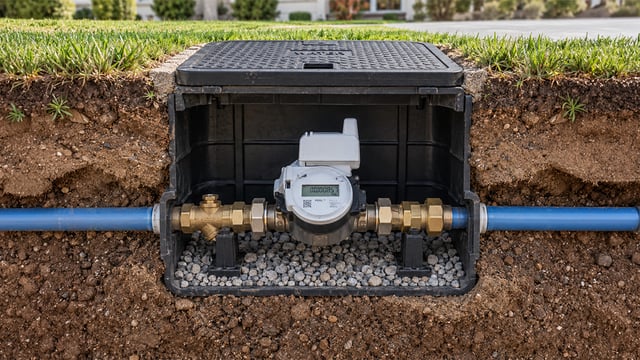
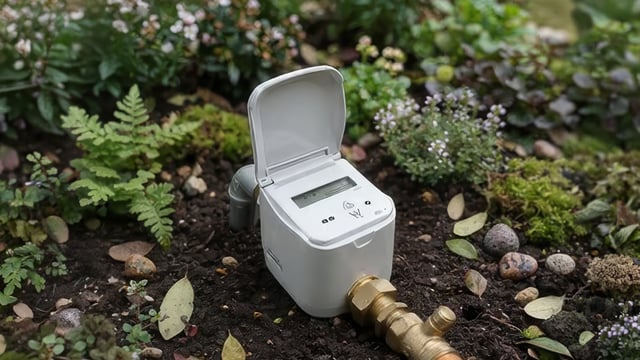
The public water company Aguas de Cádiz has launched a pilot installation of 4,000 remote-reading smart meters in the La Viña neighbourhood of Cádiz.
The undertaking is financed via the PERTE del Agua programme and funded by the NextGeneration EU recovery funds. The digitalisation project, part of the wider WATERCOG‑PC scheme, is stated to have a total investment of over €1.1 million. The technology supplier on this phase is Telefónica which will supply the meters, communication network and subsequent data-platform; in a later phase a mobile app will be developed for subscriber access.
The new system is designed to deliver near-real-time user consumption data, should enable early detection of leaks or network irregularities, and feed large-scale analytics on usage patterns, tourism-driven fluctuations and urban cleaning or irrigation demands.
La Viña was selected as the pilot zone owing to its urban heterogeneity, enabling the operator to test deployment across varied building types before rolling out to the remainder of the city in phased stages until full subscriber coverage is achieved.