 in Barcelona
 3 to 5 Nov 2026
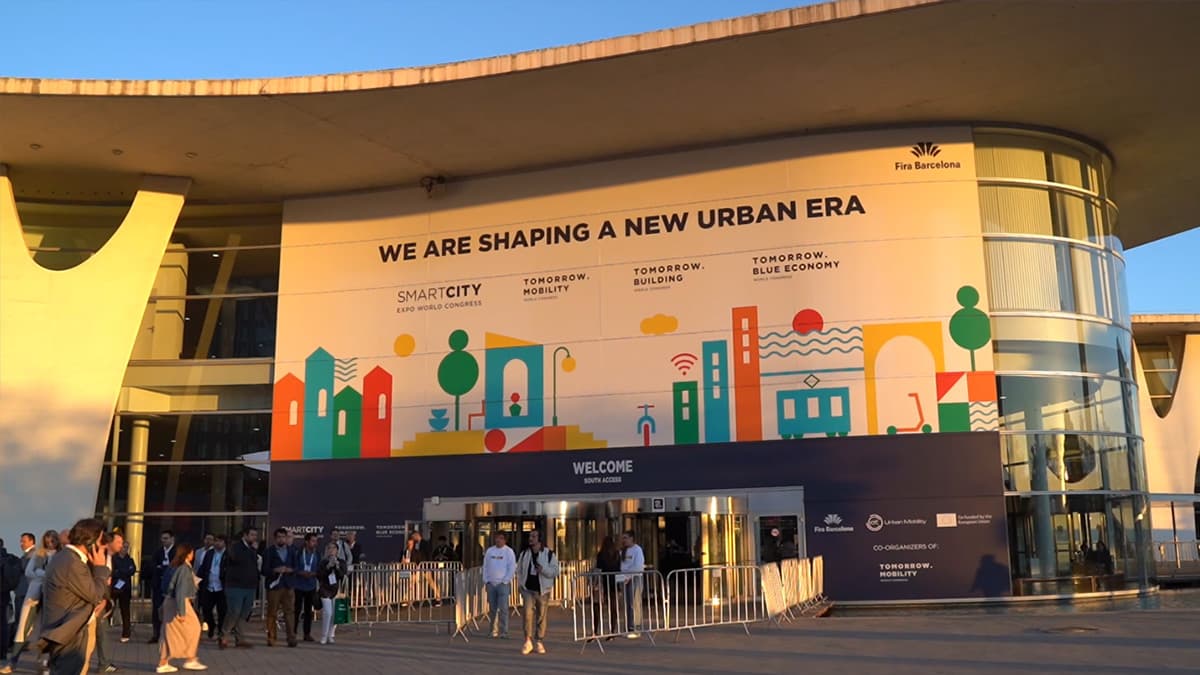
Smart City Expo World Congress Barcelona 2026
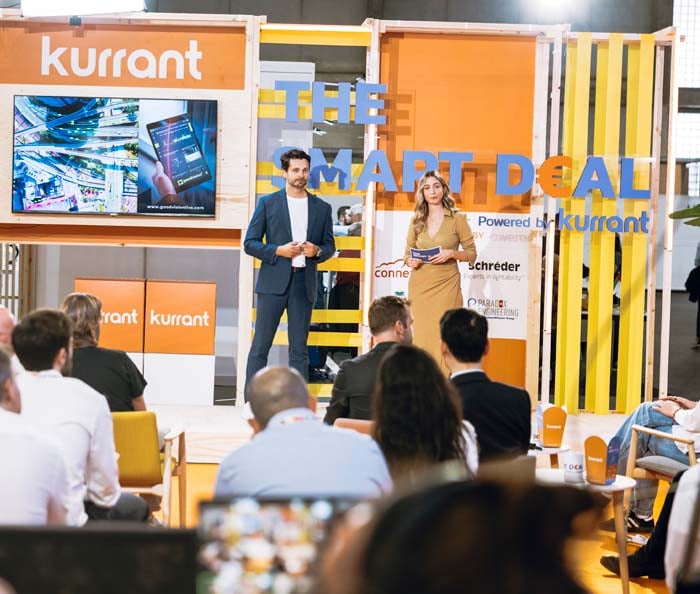
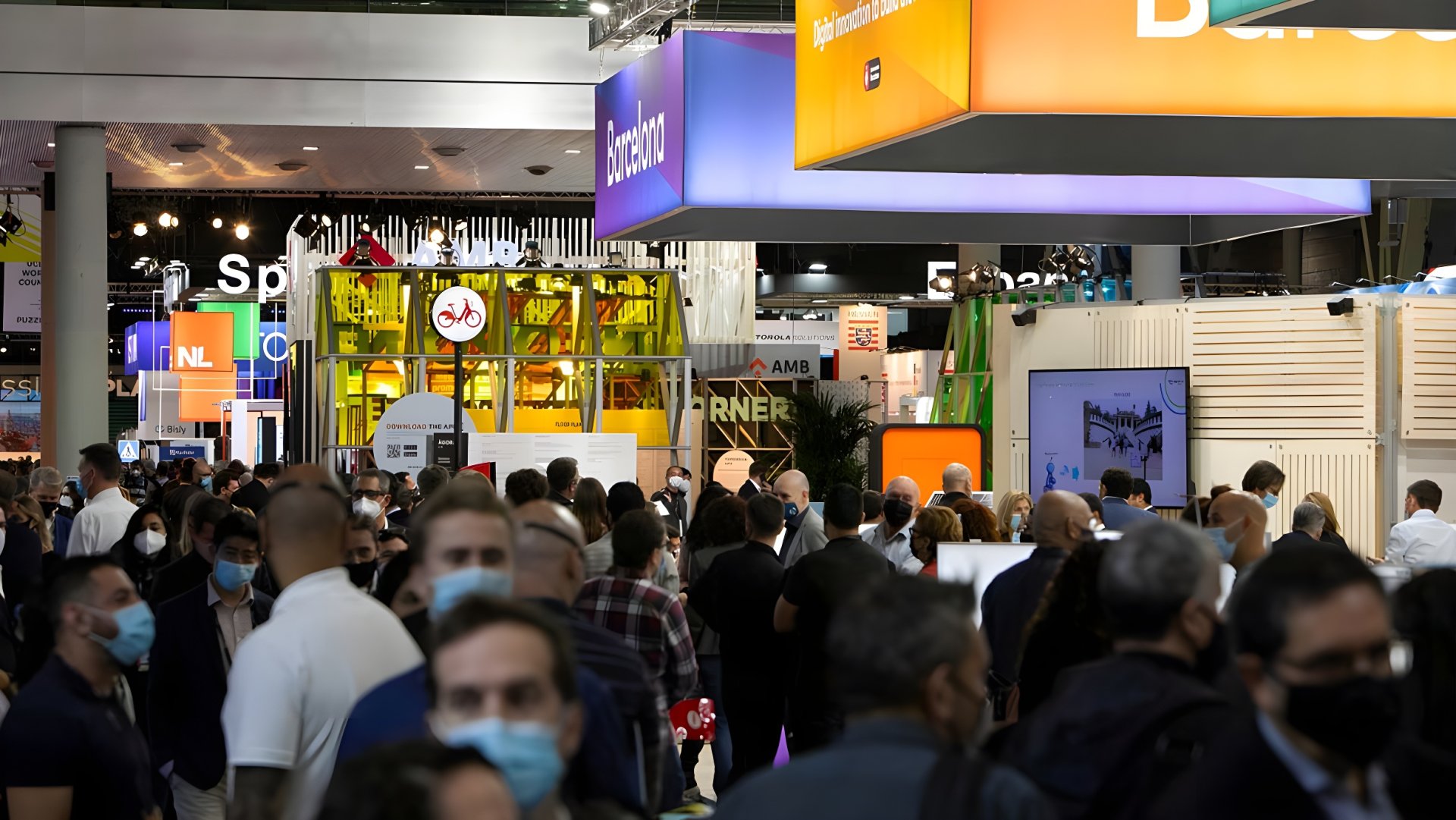
Smart City Expo World Congress 2026, Barcelona, 3 to 5 November. Kurrant films the expo floor, interviews with city and utility leaders and the companies that work with them, and The Smart Deal live pitches at Booth D151 in Pavilion 3. Videos are added here as we film them.
Arturo Castelló, Valencia Innovation Capital: a city as a test bed with the Urban Sandbox
How can a city become an active partner in developing new technologies without turning itself into a permanent testing ground? Emma Lozano Doogan, Producer and Reporter at Kurrant, speaks with Arturo Castelló, Managing Director of Valencia Innovation Capital, about the Urban Sandbox, a city ordinance that lets startups, corporations, associations, universities and individuals test their solutions in Valencia and on its smart city platform.
Arturo Castelló explains how years of investment in IoT infrastructure gave Valencia what he calls an API for the city, so third parties can connect to its datasets and assets. The Sandbox has launched 48 pilots in two years, and each test has to bring value to the city: it can become a city service, help other companies in the ecosystem, or teach the city something. Tests that are purely a commercial opportunity for a company are turned down. Whether a pilot is then adopted by the city comes down to procurement, budget and how easily a service can acquire it.
He also discusses what the city can get back when a tested solution succeeds, from longer testing at no cost to a certificate saying it was tested in Valencia, while the law does not allow the city to become a shareholder. The Sandbox also shows which city rules need to change, with autonomous driving as an example. As a foundation owned by the city with a limited budget, Valencia Innovation Capital chooses six to eight verticals every four years, with AI across all of them. Success in 2030 would mean more pilots that became real solutions in the city, and more startups helped to grow and stay in Valencia.
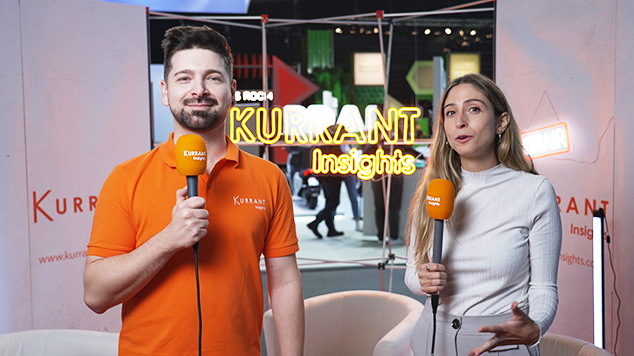
Recorded on the Kurrant booth at Smart City Expo World Congress 2026, Barcelona.
📖 Read Video Transcript
We are back at the Kurrant studio at
the Smart City Expo World Congress.
2
I am here with Arturo Castelló.
3
He is the Valencia
Innovation Capital Director,
4
and we're going to be discussing
5
how can a city, or can a city,
become an active partner in
6
developing new technologies
without turning itself into
7
a permanent testing ground
and not implementing city?
8
So the first thing I would
like to talk about is
9
that Valencia has spent
years developing its smart
10
city strategy and its
smart city infrastructure.
11
And now Valencia Innovation Capital
is positioning the city as a place
12
where new technologies, they can be
developed, and they can be tested.
13
So what is the next stage of that
strategy, of Valencia's strategy,
14
and what are you trying to achieve
that wasn't possible before?
15
So the way we see a smart
city strategy from our
16
perspective is that in the past year
we have
17
invested a lot in creating
the infrastructure of IoT.
18
And I like to say that we have
created sort of API for the city.
19
So third parties can connect to our
datasets, but also to our assets and
20
create new information that can be
used from different perspectives.
21
And at the same time, with the
adoption of AI, we realize that tech
22
is becoming sort of a commodity
and is going to evolve even faster.
23
So what we decided to do is to
create a new tool called the Sandbox.
24
Which is an ordinance that helps
25
everyone who wants to test
innovation to come to our city,
26
use our smart city platform, to test
different technologies and solutions
27
that we can maybe scale or they
can use it for something else.
28
Okay, so the Urban Sandbox
that you just mentioned
29
has launched, I think
it's 48 pilots in 2 years?
30
And counting.
31
Okay, and counting.
32
But how do you determine
whether a project has actually
33
created value for the
city, for Valencia,
34
rather than simply helping a
company validate their technology?
35
Yeah, that's one of the
best questions about this
36
because first of all, we
are still in the MVP phase.
37
So we've been doing a lot of
work just to implement the tool
38
because the tool is basically an
ordinance that allows us as a city
39
to create a comfort space, a
safe space for companies to test.
40
So that took a lot of work.
41
That's public
administration innovation.
42
And once that we managed to
do that, now we are seeing
43
how it works and we are
bringing a lot of companies,
44
startups, corporations,
associations, universities,
45
individuals that want to
come to our city and test.
46
Some are from the city,
some are from other cities.
47
And we have a protocol to see
48
what we can do and what we cannot
do based on different criteria.
49
One of them is, is this going
to bring value to the city?
50
And if not, we don't
really prioritize it.
51
And the way we see it's going to bring
52
value is because
either we are going to
53
scale it into our city, so
it's going to become a service
54
for our city, or it's going
to help the ecosystem to maybe
55
find a solution for other
companies in the ecosystem.
56
Or maybe we can learn,
maybe we are not going
57
to use it, but we can
learn of the outcomes.
58
And that's how we decide.
59
But for instance, if we
see a company that wants
60
to get new customers
because they see it as a
61
commercial opportunity, we
don't allow them to do it.
62
It has to bring the value. Always.
63
Perfect.
64
And the city, I was mentioning
the 48 pilots in 2 years.
65
The city reports that 1 in 4 completed
66
innovation has reached the market.
67
But commercialization and municipal
adoption are 2 different things.
68
How many of these technologies
are being adopted by the
69
city itself, and what
determines whether that happens?
70
Well, first of all, the criteria
is that it has to bring value.
71
Another criteria is that it's
possible to test it with the
72
existing assets in the city,
and also that the different
73
services within the municipality
are going to be able to
74
connect with the innovation
and integrate it in the city.
75
And if those 2 criteria are
met, then it's a matter of
76
how easy it is for the service
in question to acquire it.
77
So it's a matter of procurement.
78
We are only 2 years in the project,
79
so it's going to take a bit
longer to go all the way.
80
Because right now, out of those
42, there's a number of them that
81
are being analyzed by the services
to scale it within the city.
82
And then we have to
approve the budget,
83
we have to do the
procurement and everything.
84
Our protocol works,
so we are able to say
85
yes or no and to be
very fast about it.
86
Now, the last phase
of the process is that
87
our city acquires
some of the solutions.
88
But we are still there.
89
Yeah, still there,
still working on it.
90
And when a company tests a solution
using public infrastructure,
91
does the city capture any value if
it becomes commercially successful?
92
Like preferential access
to that technology,
93
lower prices in that
technology, shared data,
94
or any other benefits
that might come from it?
95
Yeah, so we've been discussing
that a lot, as you can imagine,
96
and it's difficult from
a public administration
97
perspective to, for instance,
be partners of the company.
98
Imagine it's a startup,
they're going to test a
99
prototype, they succeed in the test,
100
and then the city can be a
shareholder of the solution.
101
So that's not possible
from a legal perspective.
102
Then the next step will
be to get a better price.
103
What we agree with the companies
is that we can do
104
testing for a longer
time and not cost.
105
So it's a benefit somehow.
106
And also we are creating
like a certificate.
107
Like if you have tested that in
Valencia and then it has succeeded
108
and it has to scale to
other cities, for us,
109
saying that it was tested in Valencia,
it's a good promotion for our city.
110
So we are also putting
that into the agreement.
111
So there are different ways of
capturing the value, and we are still
112
deciding which ones we
are going to decide,
113
because it's not easy
from a legal perspective.
114
And have any experiments,
any testing revealed
115
that existing city
rules need to change?
116
And how do you decide when
regulations should adapt
117
to technology rather than
the other way around?
118
That's a very good question, and it's
one of the goals of the Sandbox.
119
It's not only allowing
others to test, it's learning
120
what we have to adapt to be
able to be more innovative.
121
So for instance, anything
related to autonomous driving.
122
Yeah, so we are having both
123
autonomous driving companies and also
124
mobility systems coming to us to test.
125
And this is going to help us
to accelerate the regulation
126
that is needed to be able
to have autonomous driving.
127
So the Sandbox is also
an API and it's also
128
an acceleration of
disruption for ourselves.
129
You're expanding the
city's innovation strategy
130
into areas such as AI,
immersive technologies.
131
How do you decide which
emerging technologies deserve
132
public investment, especially
when their practical
133
value for municipal services
is still a bit uncertain?
134
Like, we still don't
know— not every city
135
knows how they would
use AI, for example.
136
All right, so it's good
to note that we are,
137
as Valencia Innovation
Capital, we are a foundation
138
which is outside of
the city municipality.
139
We are owned by the city, but we are
not the city municipality itself.
140
So we like to say that
we do open innovation.
141
So in doing that, we
have a limited budget.
142
So we have to focus on a
particular set of verticals
143
because otherwise we
wouldn't do anything.
144
So first of all, we
think about verticals,
145
so technologies that have a
direct impact in the citizens.
146
For instance, mobility
is a good example.
147
But then we also think about
verticals that can create economy,
148
a smart economy in our city,
for instance, semiconductors.
149
Or maybe defense.
150
Every 4 years we decide which
verticals we are going to focus on,
151
and we focus on only those,
roughly around 6, 7, 8.
152
And sometimes we also focus on
one which is transversal, like AI.
153
We realize that AI is going
to be, as in any other city,
154
the main focus of our innovation
155
strategy because it's
going to impact everything.
156
But looking ahead to
2030, what would convince you
157
that Valencia Innovation
Capital has succeeded?
158
Well, is succeeding.
159
So we will look at the number,
the quantity of solutions
160
and pilots that have scaled
into the city municipality.
161
I think we have the same
challenge as any other cities
162
in terms of innovation,
is how we can make the
163
city really focus on procuring
and scaling solutions,
164
because that's the only
way to reach the citizens.
165
We can do a lot of
pilots, we can do a lot
166
of challenges, but in
a very small scale.
167
We need the city to buy,
scale, and implement.
168
So that will be one— how many pilots
169
have become real
solutions in our city?
170
And the second one would be how
many startups and innovative
171
companies have we helped growing in
Valencia and staying in Valencia?
172
So we have those 2 missions,
making the municipality more
173
innovative and fostering
innovation in the local ecosystem.
174
Okay, well, thank you very much.
175
I'll make sure that we
stay in touch so that we
176
know what pilots are going
on, how it's all going.
177
So thank you so much for your time.
About Smart City Expo World Congress Barcelona 2026
Smart City Expo World Congress 2026, Barcelona, 3 to 5 November. Kurrant films the expo floor, interviews with city and utility leaders and the companies that work with them, and The Smart Deal live pitches at Booth D151 in Pavilion 3. Videos are added here as we film them.
More Smart City Expo World Congress Barcelona editions

Latest Kurrantly News
All news DCC Extends Arqiva’s Northern Smart Meter Network To 2037, Sensus To Supply New Base Stations
 Oman Water Ministry Signs Nama Deal For LoRaWAN Smart Meters On 1,000 Groundwater Wells
 Via Verde Opens 12-Point, 400 kW Ultra-Fast Charging Hub in Portugal
 Rematics Runs Waste-Recognition Cameras On 70+ Collection Trucks As MOBA-Backed Pilots Expand
 Suez And Cornerstone Host Wize Water Meter Network On 100 UK Mobile Towers
 TIM Brasil And Smart Luz To Connect Over 12,000 Rio de Janeiro Lighting-Pole Cameras Over 5G
Latest Kurrant Originals
See all
Kurrant advisory
Planning a smart city or utility project? Talk to Kurrant.
Behind these interviews is Kurrant's advisory team, working with utilities, cities and the companies that serve them.
- Strategy AdvisoryKurrant is actively involved in resolving the challenges that cities, utilities and industry players are facing.
- M&A AdvisorySmart city and utility expertise for successful deals, turning insights into strategic gains.
- Engineering & ProcurementBetter engineering and procurement decisions, by identifying and developing digital and IoT solutions across use cases.
Or write to us: contact@kurrant.com
Send us a message
© Kurrant. All Rights Reserved. · Editorial Standards · Cookie settings
This site is protected by reCAPTCHA and the Google Privacy Policy and Terms of Service apply.