 in Barcelona
 3 to 5 Nov 2026
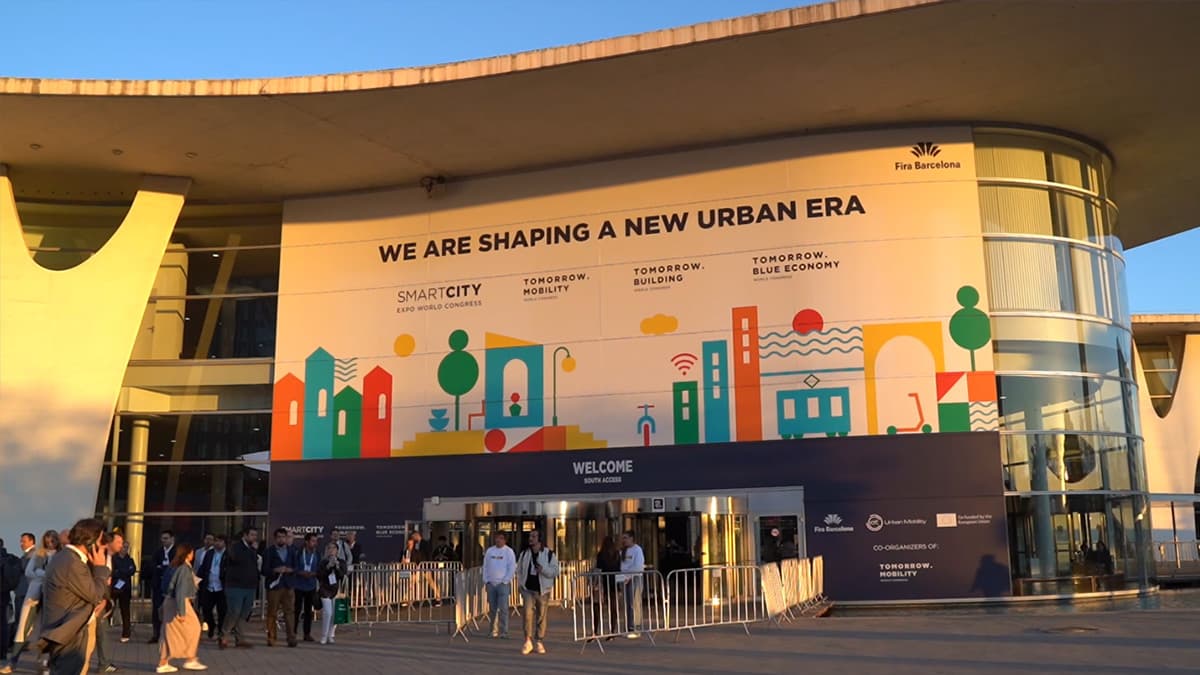
Smart City Expo World Congress Barcelona 2026
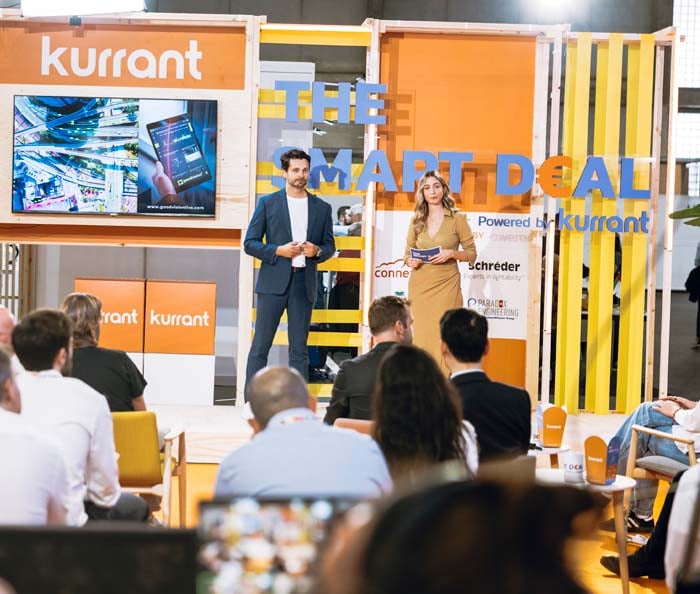
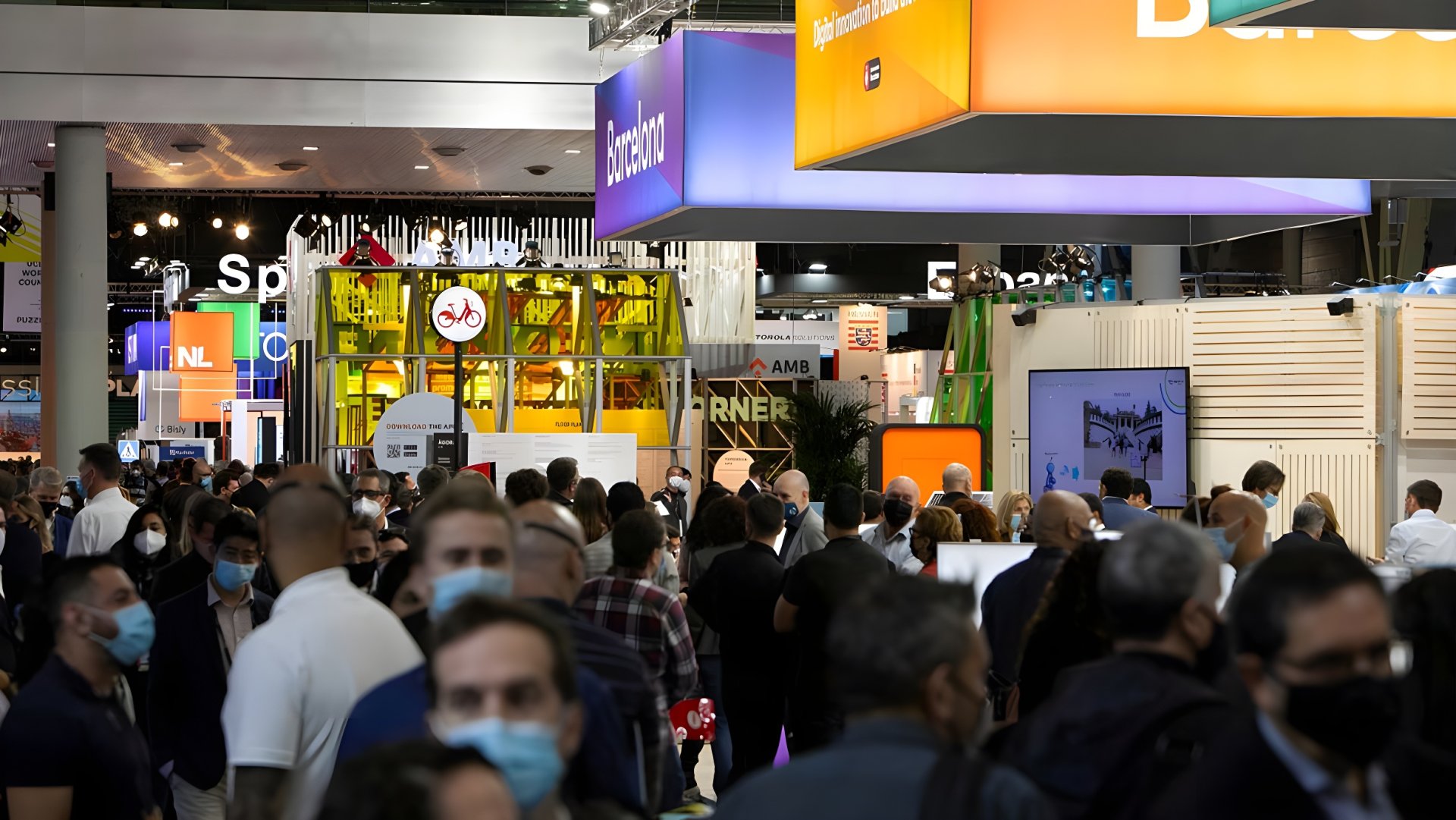
Smart City Expo World Congress 2026, Barcelona, 3 to 5 November. Kurrant films the expo floor, interviews with city and utility leaders and the companies that work with them, and The Smart Deal live pitches at Booth D151 in Pavilion 3. Videos are added here as we film them.
Scaling smart streetlighting safely in times of AI (Highlights)
How can cities and utilities scale smart street lighting safely, now that AI also helps attackers? Julia Arneri-Borghese (CEO, Paradox Engineering), Filip Smets (Technology Expert, Fluvius) and Valerio Vadacchino (Marketing and Business Development Director, CiviSmart) discuss what changes at scale, who is responsible, why tenders rarely ask for cybersecurity yet, the worst case for 1.2 million light points, and the one change they would make: security that can be verified over the whole life of a product.
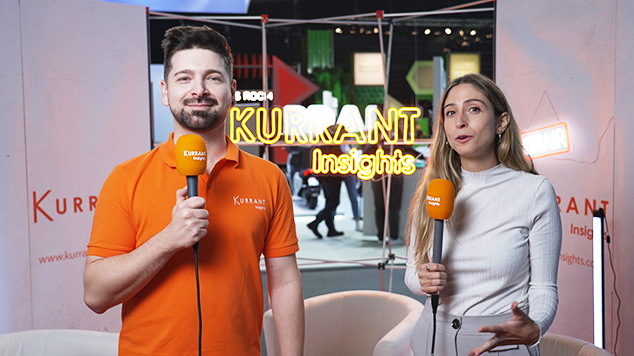
Moderated by Emma Lozano Doogan on the Kurrant booth at Smart City Expo World Congress 2026, Barcelona.
📖 Read Video Transcript
It's not enough to have a product
that was conceived safe today
2
because today is gone already.
3
It's already tomorrow, right?
4
And the bad guys
5
keep going, and AI,
unluckily, today helps them.
6
So hello all and welcome to
this panel, Scaling Smart Street
7
Lighting in Times of AI.
8
AI is creating new opportunities,
but with those opportunities
9
come challenges, and those challenges
are related to cybersecurity,
10
reliability, and quality assurance.
11
So how can cities and utilities
scale smart lighting while minimizing
12
these risks?
13
For the panel, I have
3 amazing panelists.
14
As smart street lighting grows
from pilots to territory-wide
15
networks, which cybersecurity
risks deserve more attention,
16
and what should cities
prepare for the next 5 years?
17
Maybe ladies first.
18
It's very easy to think
of technology risks,
19
which are certainly there, and we can
20
look into them. But what we
like to think, and what we also
21
practice in our company, is thinking
of cybersecurity as technology,
22
people, and processes.
23
I would like to point out
24
that the main challenge, at least for,
25
again, energy service company or
operator, infrastructure operator
26
like us, is to find the right
balance and the right trade-off
27
between the deployment of
technology at scale with redundancy,
28
infrastructure in order to be
100% sure or close to 100% sure
29
that everybody
30
can be resilient. And the
sustainability in terms of economic
31
sustainability of the project.
32
So I suppose the main
challenge is also scalability,
33
because doing some
small pilots, it's easy,
34
and the impact is also smaller.
35
But if you scale it, the
attack surface, it grows,
36
it goes much bigger than that.
37
So I suppose for a vulnerability,
if you have it on one device,
38
it's maybe not worse.
39
But if you scale it and you have
millions or hundreds of thousands
40
of devices and a vulnerability,
it scales also on all of those
41
devices.
42
So we have to take into account,
we live in a public space.
43
The products will be
there for multiple years,
44
like 10, 20, 15 years, and it has
to be safe during the complete
45
lifetime of that product.
46
There's this concept of
like ethical hacking.
47
So continuously monitoring
threats that emerge on the market
48
day after day, test your technology
against those threats day
49
after day, and fixing it immediately
and deploy the fix safely
50
and securely on field so that
cities can rely for multiple years
51
on the investment they made.
52
May I answer this with a question?
53
Do you think it's only the
responsibility of the supplier
54
or also for the municipalities?
55
It cannot be only
responsibility of the supplier,
56
as much as it may look
that I'm, you know,
57
downloading some of the
responsibilities that we do have.
58
But there's no way that the
product or the supplier itself can
59
make everything.
60
And a product can be as secure
as it is, but then you have one
61
person in the office which
replies to a phishing email,
62
right? And you're done.
63
Cybercrime is getting
more and more refined.
64
We play phishing drills
inside the company day in,
65
day out, and they're so
refined that it's very,
66
very hard not to fall for
them, even if you know—
67
because I'm the CEO,
I know when they play them,
68
right? But it's very hard
not to fall for them.
69
But I think it's a partnership
with the suppliers,
70
and that's the important part.
71
It doesn't stop when you just buy it.
72
You bought it and then it starts
because you have a rollout,
73
you have to do tests.
74
Obviously, public lighting and
street lighting is a public service,
75
so cannot be any way
76
interrupted for any reason.
77
So are you seeing major changes
in the way cities prepare their
78
tenders and the requirements
they ask related to the level of
79
service quality or cybersecurity
80
rather than just
focusing on the price?
81
So price is always the king, but
82
I would say that in the recent
past we have seen a change in
83
the approach of cities
84
when evaluating a project.
85
Because, I mean, if you just
link the evaluation of a project
86
on the cheapest one, I mean,
you are missing the big part of
87
the picture.
88
For what concerns cybersecurity,
to be frank and honest,
89
we are not seeing in the
tender specific requirements.
90
So today is something that also
the city itself sees as a risk,
91
but I would say not in my garden,
92
The mentality of it's
never gonna happen to me.
93
Proactively the industry should be
faster than the public administration.
94
Order to propose a specific
checklist or tests that could support
95
also the city itself, the
specific technician of the city,
96
to understand
97
the matter.
98
And already explaining,
99
already showing them
the benefit of, I say,
100
something very disruptive,
the benefit of changing the lamps
101
from sodium to LED is something
new that is very difficult to
102
transfer in terms of
technical benefit, you know.
103
So I imagine to explain to a
specific technician in the small
104
city in the mountain of Italy
there is the cybersecurity risk,
105
or even worse, waiting this
technician to write inside the tender
106
specific requirements for
the cybersecurity risk.
107
So it's impossible today.
108
What would convince you to pay more
today to reduce risk throughout
109
the project's life?
110
That's a good question, but I
don't think we want to pay more.
111
We want to pay less,
especially as an end customer.
112
So let's pay less for
the right product.
113
I think you have to set the
baseline at least that it's for
114
everyone the same and
standards can help with that,
115
and even education can
help a lot with that.
116
As smart lighting scales and
thrives, what are the key measures
117
you have put in place to be recognized
as a highly robust solution?
118
We run on the zero trust approach,
so always mutual authentication
119
in every exchange.
120
If I may react on that,
I think it's very important,
121
again, the transparency.
122
My cybersecurity team
always scolds me because
123
I tend to communicate too much,
and cybersecurity is a matter
124
of going in a sort of a stealth mode.
125
So the more you tell about what
you do, the more attackers can
126
threat you, right?
127
There's a trade-off.
128
It's something that we can't
really promote in the open and
129
put in the internet, but we need
to enter into a conversation
130
with customers together very openly.
131
And I agree with you on that.
132
What are the real risks and the
worst-case scenario that you
133
have taken into account when
you're preparing and running your
134
project? Because you do have
135
1.2 million points.
136
I suppose worst case you get
in the platform and you do some
137
operations that can't be undone
or changed directly and then
138
cut off the complete communications
so you can't access them.
139
And you can't visit them all
because you have 1.2 million light
140
points. You can't visit each
luminaire at once to fix it.
141
And if you have that large
scale and, for example,
142
they turn it on and off
for 5 times a second,
143
you can see it from space, I suppose.
144
And it wouldn't be a very good
145
commercial for us, I suppose.
146
You have to think a
little bit more in layers,
147
starting from the luminaire,
the controller,
148
to the platform.
149
And people who don't need access,
remove it and keep track of
150
it. And those are the simplest
things because if someone leaves
151
the company, maybe
152
he was not really happy
for leaving the company,
153
but is the access removed?
154
Looking ahead, what's one
change in product standards,
155
procurement, or industry cooperation
would most improve cybersecurity
156
at scale? And how can customers
verify that it makes a real
157
difference?
158
So I think that as
159
a private industrial player,
we have responsibility to
160
move in advance with respect to
municipalities in order to prevent
161
such kind of risks.
162
Well, if I had to change one thing,
I suppose it would be move
163
from self-declared security
to a more verifiable
164
lifecycle security.
165
It can be an independent party
that does the certification.
166
And it doesn't stop again
when you buy the product,
167
you have to do it for
the whole lifecycle.
168
So also, for example,
penetration tests and other things.
169
But the risk that I see there
is that it becomes just another
170
requirement that is slapped into
a tender because somebody has
171
to, yes, comply to some
cybersecurity because nowadays,
172
without really knowing what
it implies and what's behind.
173
We had a city in the past years,
they wanted to run VAPT on
174
our products. And
175
I will not hide that at
the moment we were like,
176
you want to run VAPT?
177
I don't know how you run them.
178
So, because I don't want to
expose my product to you without
179
knowing what you're gonna do,
even if I'm sure I will pass those
180
tests. So if there was
somebody in the middle
181
to help this process and grant
for the integrity of the process,
182
for none of the parties to
183
be at risk, I think that might help.
184
Well, thank you so much for all
your answers and for the wonderful
185
chemistry the three of you had.
186
It was amazing. I think
for me, a key takeaway,
187
or the idea I'm going to keep in
mind, is that as street lighting
188
thrives, cybersecurity
can't be an afterthought,
189
especially now with AI.
190
It has to be the first thought.
191
We have to think in advance.
192
And I'll also keep that
idea of a checklist,
193
standards, and the collaboration
between all parties.
194
So thank you very much.
About Smart City Expo World Congress Barcelona 2026
Smart City Expo World Congress 2026, Barcelona, 3 to 5 November. Kurrant films the expo floor, interviews with city and utility leaders and the companies that work with them, and The Smart Deal live pitches at Booth D151 in Pavilion 3. Videos are added here as we film them.
More Smart City Expo World Congress Barcelona editions

Latest Kurrantly News
All news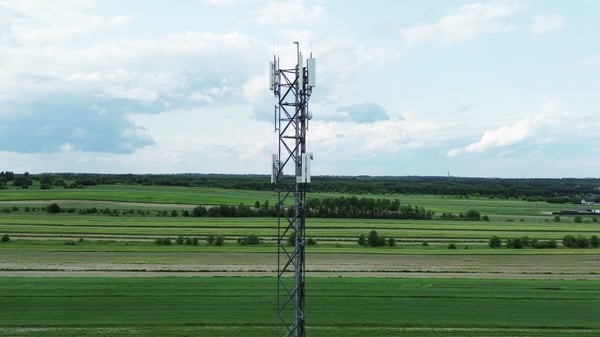 DCC Extends Arqiva’s Northern Smart Meter Network To 2037, Sensus To Supply New Base Stations
 Oman Water Ministry Signs Nama Deal For LoRaWAN Smart Meters On 1,000 Groundwater Wells
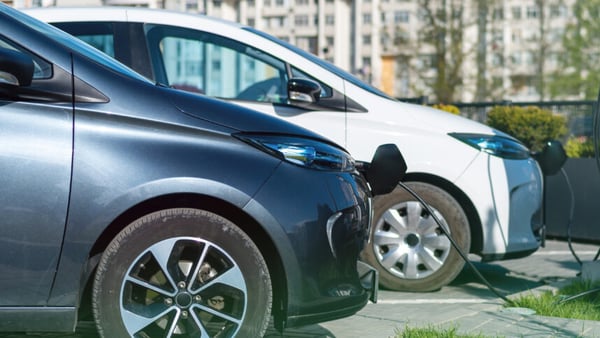 Via Verde Opens 12-Point, 400 kW Ultra-Fast Charging Hub in Portugal
 Rematics Runs Waste-Recognition Cameras On 70+ Collection Trucks As MOBA-Backed Pilots Expand
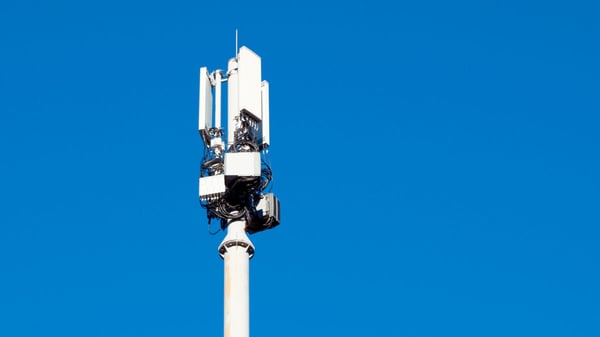 Suez And Cornerstone Host Wize Water Meter Network On 100 UK Mobile Towers
 TIM Brasil And Smart Luz To Connect Over 12,000 Rio de Janeiro Lighting-Pole Cameras Over 5G
Latest Kurrant Originals
See all

Kurrant advisory
Planning a smart city or utility project? Talk to Kurrant.
Behind these interviews is Kurrant's advisory team, working with utilities, cities and the companies that serve them.
- Strategy AdvisoryKurrant is actively involved in resolving the challenges that cities, utilities and industry players are facing.
- M&A AdvisorySmart city and utility expertise for successful deals, turning insights into strategic gains.
- Engineering & ProcurementBetter engineering and procurement decisions, by identifying and developing digital and IoT solutions across use cases.
Or write to us: contact@kurrant.com
Send us a message
© Kurrant. All Rights Reserved. · Editorial Standards · Cookie settings
This site is protected by reCAPTCHA and the Google Privacy Policy and Terms of Service apply.