 in Barcelona
 3 to 5 Nov 2026
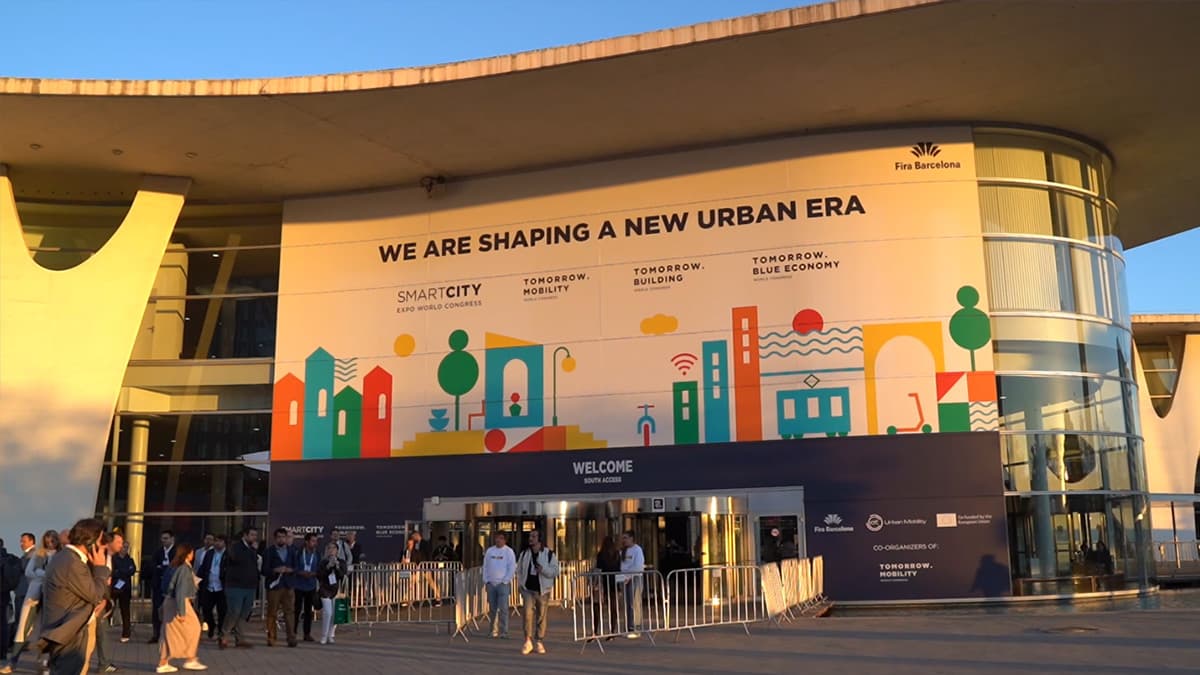
Smart City Expo World Congress Barcelona 2026
Smart City Expo World Congress 2026, Barcelona, 3 to 5 November. Kurrant films the expo floor, interviews with city and utility leaders and the companies that work with them, and The Smart Deal live pitches at Booth D151 in Pavilion 3. Videos are added here as we film them.
José de la Uz, Las Rozas: putting smart city technology into practice
José de la Uz, Mayor of Las Rozas, President of the Spanish Smart Cities Network (RECI) and council president of Las Rozas Innova, talks about how Las Rozas puts smart city technology into practice and what Spanish municipalities need to scale innovation. He describes how RECI grew from five cities 15 years ago to 173 cities and territories that are home to 30 million people, and why Las Rozas runs its strategy through Las Rozas Innova, a public company that gives the city more agility, better access to talent and European funding, and its own startup hub. He gives examples of decisions based on data, from video surveillance linked to a 70% drop in crime over eight years to solar panels on every public roof managed through an AI platform, and explains how the city decides whether a pilot such as Schréder’s multi-sensor test becomes permanent. He also covers why he sees a hybrid model of city-owned and shared public-private data, the leadership, talent and funding needed to scale across Spain, interoperability, open source and technology clauses in public procurement, and why cybersecurity needs more investment.
Interviewed by Emma Lozano Doogan on the Kurrant booth at Smart City Expo World Congress 2026, Barcelona.
📖 Read Video Transcript
Welcome back to the Kurrant booth.
2
I'm here with José de la Uz.
3
He is mayor of Las Rozas,
president of the Spanish Smart
4
Cities Network, and council
president of Las Rozas Innova.
5
Welcome, José.
6
My pleasure.
7
We're going to be discussing how
Las Rozas is putting smart city
8
technologies into practice and what
Spanish municipalities need to
9
scale innovation and make
it financially sustainable.
10
So the first question is, as mayor
of Las Rozas and president of RECI,
11
how do you see the progress
of smart cities in Spain?
12
Well, thank you because of this
interview and the possibility
13
to talk about the Spanish
Network of Smart Cities.
14
That was born 15 years ago.
15
At the beginning, just 5 cities,
5 mayors, had the vision
16
for the future and started working
together in which terms
17
technology could improve life
of citizens in their cities.
18
But today, 15 years later, we
are 173 cities and territories
19
that represents 30 million
people in the whole country.
20
So I see the— perhaps pandemic
was an impulse for more cities,
21
more mayors that have the
opportunity, the challenge
22
of making a strategy,
implementing infrastructure,
23
take the ecosystem for working
together, and it's increasing.
24
I mean, if it's grown so much,
25
it's a good indicator of
smart cities in Spain.
26
And then what can Las Rozas
achieve through its innovation
27
company that a traditional
city administration couldn't?
28
Well, we thought— the
strategy started 12 years ago,
29
and we thought, because of a
hackathon and thinking about the
30
strategies and how to develop
it, the importance of governance
31
of the project, the
governance of the project,
32
that the strategy can't or shouldn't
depend on the mayor in a place.
33
Thinking in future, there is needed an
34
organism that rules the
projects for future.
35
So in our case, Las Rozas
Innova, that's a public
36
company 7 years ago, rules
in terms of more agility.
37
We are able to take, to
get better talent that
38
in the administration is
more difficult to get.
39
We organize it collecting
or getting European funds,
40
participating in 20
European consortiums
41
Developing the strategy
of the smart city,
42
having our own hub for
startups with more than 56.
43
So I think it's a model that
is replicable, is scalable for
44
more cities because it's the
governance of the project.
45
Okay, so Las Rozas, we
know it's integrating
46
data from different city services.
47
Can you give an example of a decision
this data has made a difference?
48
Well, we started with AI, sorry,
49
video surveillance cameras
in Las Rozas 8 years ago.
50
But during this time,
during these 8 years,
51
we were able to reduce 70%
criminal actions in the city.
52
70% because of the
decisions based on data.
53
As well, in the energy is another
example how to manage the city.
54
We put solar panels in
all of our public roofs,
55
and with AI in that platform
collecting the data,
56
we reduce 50% carbon footprint
and the income, the budget.
57
Yeah.
58
2 million less roceños are
paying every year because of
59
the money with AI, with data
of the energy in the city.
60
And you're testing Schréder's
multi-sensor technology
61
to understand how people
use public spaces.
62
Um, what results would convince you to
63
make this something that's permanent?
64
We try many pilots.
65
In, in the city during these years.
66
Because first of all, we think that
a city is the land where startups
67
and companies could test and
then create, innovate, and grow.
68
But in this case, Schréder had
worked with Las Rozas many times.
69
It's a really good company, of course.
70
and we change into LED
in the city with them.
71
And that helps us to reduce that
data about energy and the budget.
72
But this specific project with
them attending the mobility using
73
the platforms, we will be getting
data before or until February.
74
So we will see, we will decide,
because along this year, these years,
75
many pilots were implemented
in, in the administration
76
because we realized that it has
effects in city and citizens.
77
GovTech, innovative public
tender, or challenges to the
78
ecosystem are defining what are
we doing in Las Rozas because
79
we need to know what's over
there To adopt in the city.
80
Okay, and then should
cities invest in their own
81
networks of sensors, or is
it more cost-effective to
82
buy urban data and services
from private companies?
83
Because as you've just
said, you've been testing
84
quite a lot of technology
in recent years.
85
Yeah, I think it's a hybrid
system because first of all,
86
for a smart city, when you
started the strategy and you
87
started to think about that,
You need to have a clear,
88
clean system of data collecting
inside the administration,
89
and then more and more slides
or information to work with.
90
So you need your data, but at the
end, the RECI, the Spanish Smart
91
City Network, has helped the country
real— I mean, State projects.
92
The national government
is developing those projects.
93
The platform for tourism intelligence,
94
where public and private
data are working together.
95
And the other one is
EDINT, interoperability
96
system of data between
cities and private
97
company working together
for modelizing.
98
So I think in a mix system.
99
Okay, and then through the Smart
Cities Network, what do you see is
100
the biggest barrier to scaling
smart city solutions across Spain?
101
Well, first of all, I think it's
really important the leadership.
102
Many mayors convinced about
the importance of improving
103
technology to change life,
improve life of citizens.
104
So leadership is really important.
105
But not only political leadership,
if not technician leadership.
106
You need talent working together
inside the house, not in silos,
107
if not together looking for the
same, facing the same challenge
108
like an organism, even being
public, but working together.
109
And after that, of course, finance.
110
We, we got European funds,
national projects, but perhaps this
111
investment in technology is providing
you more budget for more projects.
112
So it's an investment,
it's not expenses.
113
So leadership, talent, financial,
and then it's really important
114
for helping small cities the
work that is doing territories.
115
In our cases, diputaciones
provinciales that are helping smaller.
116
And in a net, working in a
Spanish network, you can help
117
sharing information so you make
shorter the path for smaller.
118
And you help them saving money
because you test before spending
119
money and you are offering
your solutions to the smallest.
120
Do you think in the future
we will see a change in
121
policies in how we— the
tender process for technology?
122
I think it's really important still
working in interoperability and
123
open sources, even including tech
clauses in the public procurement
124
for being adapted in the
territories, even not working alone.
125
if not working together,
offering or asking,
126
demanding innovative solutions
that could be more easy
127
and more cheap for the
smallest specifically.
128
And then with municipal budgets
being always reduced and reduced
129
and reduced.
130
Which are some technologies
that are still difficult to say,
131
let's go for this, because it doesn't
give you a return on your investment?
132
Well, that's a point that increasingly
cities are thinking about.
133
It's cybersecurity.
134
Because you see
sensors and you get data,
135
but it's really important
to protect that data.
136
First of all, or offer
confidence to the citizens
137
about the data you
have, the data you have.
138
And after that, because if
cybercrime was a country,
139
it would be the 3rd economy in the
world because how it's organized.
140
So I think it's really important to
invest more money in cybersecurity.
141
Is it at the end of the
project, your administration,
142
sensors, platform digital twins,
143
and what's happening with
the protection of that data.
144
Okay, well, cybersecurity
is one— has been one
145
of the key topics in this
booth, so I know that
146
many cities are thinking
what you're thinking.
147
So thank you so much for your time
and for answering our questions.
148
Thank you very much, it's a pleasure.
About Smart City Expo World Congress Barcelona 2026
Smart City Expo World Congress 2026, Barcelona, 3 to 5 November. Kurrant films the expo floor, interviews with city and utility leaders and the companies that work with them, and The Smart Deal live pitches at Booth D151 in Pavilion 3. Videos are added here as we film them.
More Smart City Expo World Congress Barcelona editions




Latest Kurrantly News
All news DCC Extends Arqiva’s Northern Smart Meter Network To 2037, Sensus To Supply New Base Stations
 Oman Water Ministry Signs Nama Deal For LoRaWAN Smart Meters On 1,000 Groundwater Wells
 Via Verde Opens 12-Point, 400 kW Ultra-Fast Charging Hub in Portugal
 Rematics Runs Waste-Recognition Cameras On 70+ Collection Trucks As MOBA-Backed Pilots Expand
 Suez And Cornerstone Host Wize Water Meter Network On 100 UK Mobile Towers
 TIM Brasil And Smart Luz To Connect Over 12,000 Rio de Janeiro Lighting-Pole Cameras Over 5G
Latest Kurrant Originals
See all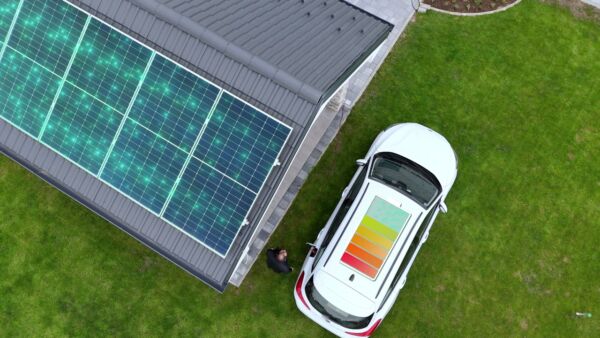

Kurrant advisory
Planning a smart city or utility project? Talk to Kurrant.
Behind these interviews is Kurrant's advisory team, working with utilities, cities and the companies that serve them.
- Strategy AdvisoryKurrant is actively involved in resolving the challenges that cities, utilities and industry players are facing.
- M&A AdvisorySmart city and utility expertise for successful deals, turning insights into strategic gains.
- Engineering & ProcurementBetter engineering and procurement decisions, by identifying and developing digital and IoT solutions across use cases.
Or write to us: contact@kurrant.com
Send us a message
© Kurrant. All Rights Reserved. · Editorial Standards · Cookie settings
This site is protected by reCAPTCHA and the Google Privacy Policy and Terms of Service apply.