 in Barcelona
 3 to 5 Nov 2026
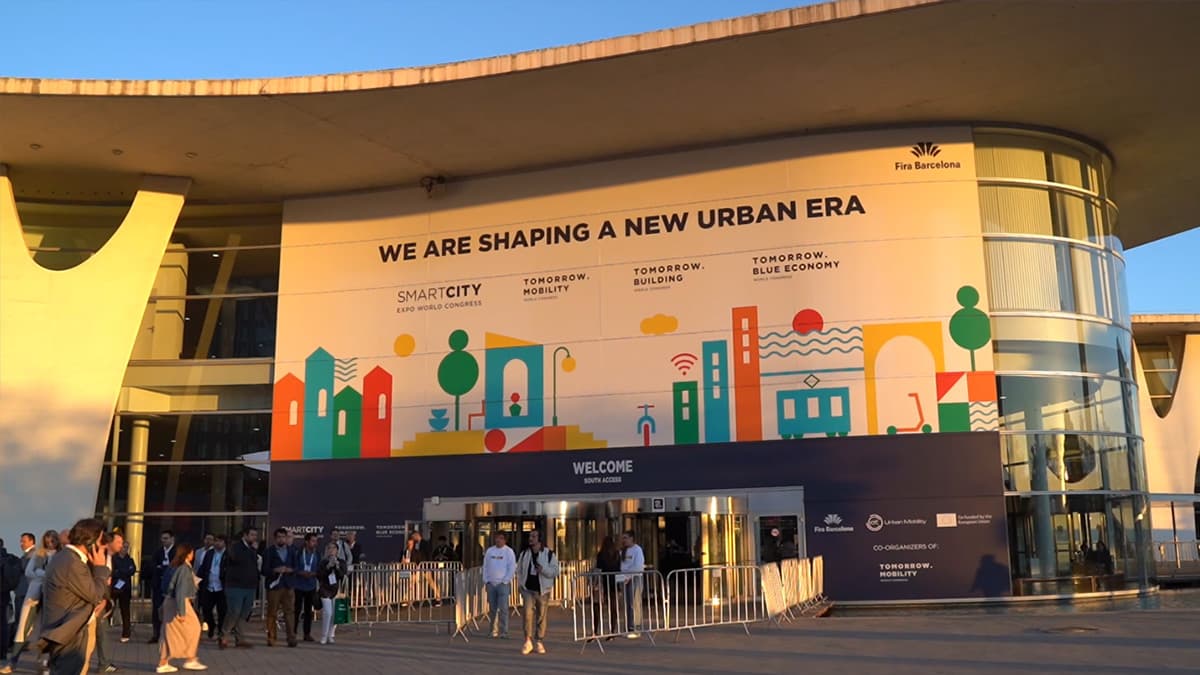
Smart City Expo World Congress Barcelona 2026
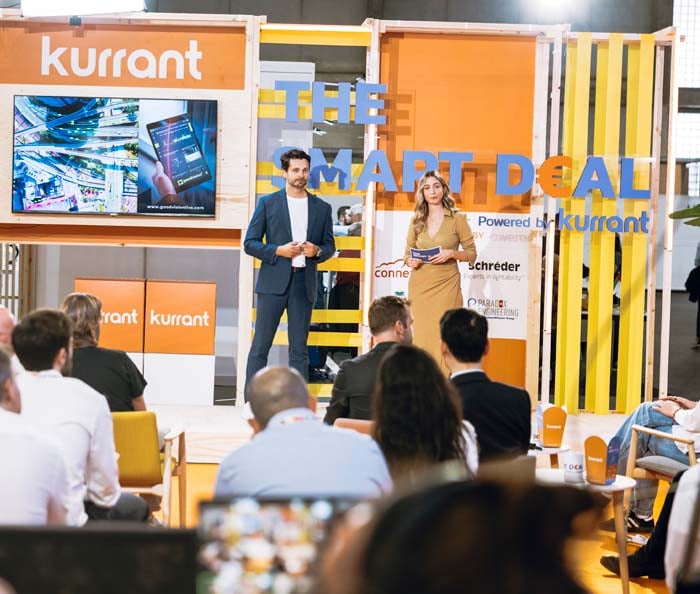
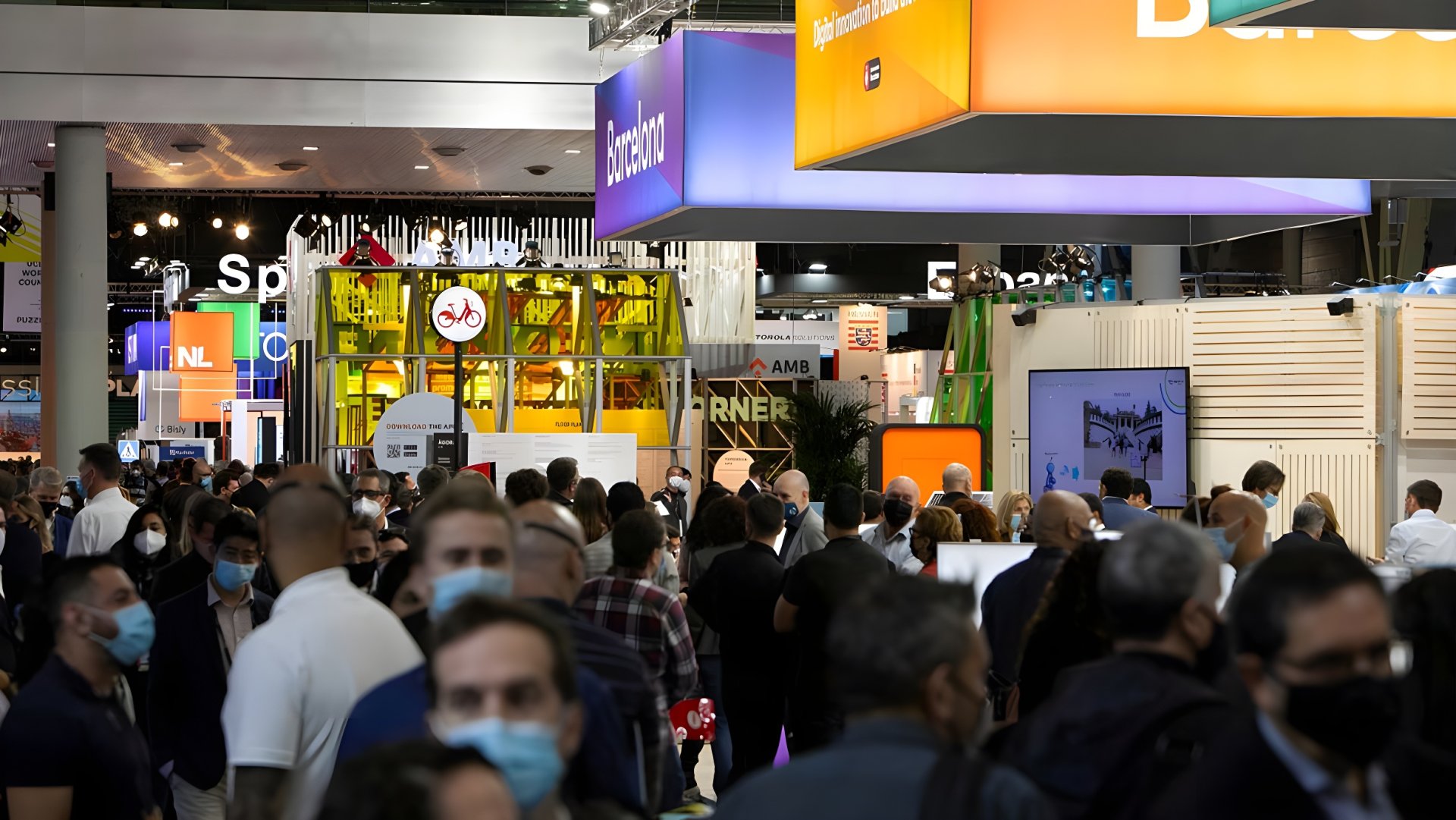
Smart City Expo World Congress 2026, Barcelona, 3 to 5 November. Kurrant films the expo floor, interviews with city and utility leaders and the companies that work with them, and The Smart Deal live pitches at Booth D151 in Pavilion 3. Videos are added here as we film them.
Why Europe is the ideal place for mobility startups
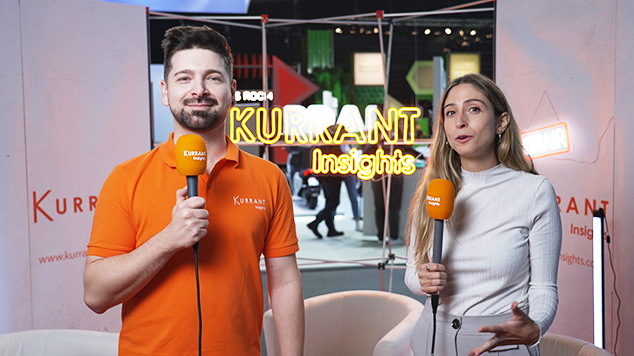
Is Europe the right place to build a mobility startup? On the Kurrant booth, Emma Lozano Doogan of Kurrant asks Raül Feliu, Head of Startups Program at EIT Urban Mobility, and Sebi Turano, Program Manager at Techstars, why it could be the ideal home for mobility startups. Raül Feliu points to engineering talent, R&D centres, industrial excellence and cities with very different urban environments, and says the fragmentation of Europe turns into a competitive advantage for a solution that works in several cities. Sebi Turano adds that strict rules on emissions, safety and privacy slow startups down at the start but hold them accountable for building responsibly, so the ones that make it are ultra successful.
They discuss cities as living labs, using Barcelona as the example: the wide grid of the Eixample next to a historic centre where pedestrians, cyclists and delivery workers compete for narrow streets. They agree that startups are not making the most of Europe’s transport industries, research institutions and public transport networks, and that the missing link is how to make them accessible to early-stage companies. Sebi Turano says many organisations are not used to working with startups, and startups struggle with procurement processes and timelines that do not match theirs. Large institutions, he says, should be honest about whether a collaboration is really possible, because a startup cannot spend a year in conversation with a city.
The conversation also looks at the cohort of 14 startups from 11 countries, working on electrification, safe mobility, autonomous vehicles and last-mile delivery, with founders from across Asia, North America and Latin America who chose to build in Europe. Raül Feliu stresses that mobility innovation is not only about vehicles and that the shared goal is decarbonising cities. The closing message from Sebi Turano: starting in Europe is not the challenge, flying is.
Recorded at Smart City Expo World Congress 2026, Barcelona.
📖 Read Video Transcript
We are at the Kurrant
booth with Raül Feliu.
2
He is head of startups
program at EIT Urban Mobility.
3
And with Sebi Turano, he is
program manager at Techstars.
4
And we are going to be
discussing why Europe could be
5
the ideal place for mobility
startups to be successful.
6
So the first question is to both
of you: why do you believe it's
7
Europe is actually a great place
for mobility technology to grow.
8
I think Europe is an amazing
place for
9
mobility technology and startups
to grow because ultimately
10
it has such a rich history when
it comes to the best talent,
11
the best research, and a really
long history of industry
12
and innovation in the
mobility space in general.
13
So Europe has been doing
this for a very long time.
14
Now it's just a question of
being engaged in and fostering
15
and cultivating the next
generation of innovation.
16
Raül?
17
Yes, I'm going to be brave here
and give a statement that Europe is
18
indeed the best place to build
mobility solutions because we have a
19
combination of unique assets, starting
with engineering capabilities.
20
We have R&D centers.
21
We have industrial
excellence and we have
22
cities with very diverse
urban environments.
23
So what we have to acknowledge
is to some extent the complexity
24
that we face within Europe, the
fragmentation or the granularity.
25
But if you are developing an
urban mobility solution that can
26
be implemented in different
cities, you're already addressing
27
this challenge that we face
here that will have you
28
positioned in a privileged way
for international market uptake.
29
So the real opportunity
is to turn that complexity
30
that we have in a
competitive advantage.
31
And Sebi, Europe has strict rules
on emissions, safety, privacy.
32
How can meeting these
requirements give mobility
33
startups a competitive
advantage globally?
34
All of those requirements
or considerations make
35
it very difficult for a
startup at the beginning.
36
Because it means that
they can't move as fast.
37
But I think in the long
run, all of those things
38
play a critical role
because they hold startups
39
and innovation accountable
to building sustainably,
40
building responsibly,
and operating in a
41
way that tackles a problem
from a
42
systematic perspective
and with a long-term view.
43
So in the short term, those
things are challenges.
44
They make it really hard for
startups to get off the ground.
45
But in the long term, those
things will ensure the
46
startups that do make
it are ultra successful.
47
Raül, European cities have very
different mobility challenges.
48
How does testing solutions
in these environments
49
help startups build
products for global markets?
50
And can you share an example?
51
Well, the cities that we have
in Europe are excellent test
52
grounds if we think about living
labs, because cities themselves,
53
they have this inherent complexity
that we are talking about.
54
Let's go with an example.
55
We're sitting in
Barcelona today, right?
56
If we think about the Barcelona
map, we have the Eixample
57
with that very specific grid
matrix with open wide streets.
58
And within Barcelona, we also
do have the historical center,
59
which is a much more chaotic map with
60
narrow streets where we
have pedestrians, cyclists,
61
delivery personnel competing
for the same space.
62
At the end, if you are developing
a solution that addresses these
63
specific challenges that cities
face, ultimately you're taking
64
this complexity within you and
getting prepared for international
65
market uptakes because you will
be addressing the same challenges
66
and you will be prepared from
home for this global uptake.
67
And then Europe has— we have
strong transport industries,
68
research institutions, and
public transport networks.
69
Are startups making
the most of resources,
70
or is there something
holding them back?
71
I would say no, startups
are not making the most
72
of those resources, but
I wouldn't look to the
73
startups for the logic or
the reasoning behind that.
74
I would actually look to all
of those organizations because
75
a lot of them are not accustomed
to working with startups.
76
And they need to invest both
from an operational perspective,
77
a procedural perspective, and make it
easier to collaborate with startups.
78
I meet so many startups that
are having conversations with
79
those organizations but they
can't engage with the procurement
80
process of those organizations,
or the timelines for
81
those organizations don't match
what the startups are doing.
82
Raül?
83
Yes, and I do completely
agree with Sebi here.
84
We do have the industrial
excellence, and to me
85
it's the same as Sebi, that
the missing link is how
86
do we make this accessible
to early-stage startups.
87
If we talk about global companies
that you were presenting,
88
we have to know that those were
once before early-stage startups.
89
So here the real challenge
in my view is the link
90
between innovation and
commercial adoption at scale.
91
So we have to cultivate this set
of opportunities for founders,
92
including industry, so
they can make use of these
93
opportunities for their
business to scale with purpose.
94
And if I could just add one more
thing, I think a lot of players
95
in the ecosystem are sincere
about wanting to support startups.
96
And they do something where
they meet a lot of startups,
97
they attend a lot of events,
but actually I think that can be
98
detrimental to supporting startups
because what happens oftentimes
99
is they speak with startups,
they say they want to adopt
100
new innovative technologies
for 1 year, 2 years, 3 years.
101
I think a lot of the
institutions or the more larger
102
corporations or government
agencies need to be more
103
honest with themselves about
what their priorities are.
104
And when they're speaking
with startups, honest about
105
whether or not there is an
opportunity to collaborate,
106
because as a startup, you
have finite resources.
107
So you don't have time to be having a
108
conversation with the city for 1 year.
109
So you've selected 14 startups
from 11 countries working
110
on everything from cycling
safety to autonomous mobility.
111
What do they tell us about the
future of European mobility
112
innovation and what will
help them succeed globally?
113
So what I've seen— and what
we have seen, I think,
114
since we started to work with this
cohort, it's been about 2 months,
115
is getting to know the founders and
knowing that the talent is there.
116
We have exceptional founders
at the cohort of 14 startups.
117
And very particularly, what we can see
118
is that we have different solutions.
119
We are talking about
solutions for electrification,
120
for safe mobility,
advanced technologies for
121
autonomous vehicles, or
last-mile delivery solutions.
122
At the end, we have to
be aware that mobility
123
innovation is not just about
things that go on wheels.
124
It's not just about vehicles.
125
When we talk about mobility
innovation, we have to be aware that
126
there is a transformation needed
for the entire mobility ecosystem.
127
And specifically for not only
for the startups that we have
128
in the cohort, for any initiative
that we do from EIT Urban
129
Mobility point of view, funding pilots
or having big innovation projects,
130
investing in startups,
we are addressing a very
131
specific challenge, which is
decarbonization of our cities.
132
And this is not only
specific for European
133
cities, this is a global challenge.
134
So having this focus on
the impact those founders
135
can make in terms of
decarbonizing our European cities,
136
we have an edge to
take those startups,
137
to support those founders
for international markets.
138
But the one word I
would use is diversity.
139
So we have a diversity of
problems that people are solving,
140
and one of the reasons being
because different parts of
141
Europe also have different
challenges and different nuances.
142
And you have to start somewhere.
143
So that's been really exciting
to see how different founders
144
from different countries are tackling
problems from different angles,
145
but also diversity of talent,
because our program is
146
supporting European-based founders
from 11 different countries.
147
That's where their
company is based.
148
If you look at the founding
teams of each of those startups,
149
they have founders or initial
employees from all over the world.
150
And I think that's a really beautiful
thing to see when you have talent
151
from across Asia, North America, Latin
America— Coming to Europe, right?
152
Going to Europe when
they could go to the US.
153
And for many of them, they
know that there's access
154
to more capital in the
US, but they believe in
155
the European ecosystem and
they want to build here.
156
They want to live here.
157
They want to solve for here.
158
So the message then is
Europe, it might be hard
159
to start, but it's where
startups will thrive.
160
Absolutely.
161
This is where we have
the opportunities,
162
where we have the essence,
the ingredients that we need.
163
We just need to have a
more efficient recipe for
164
making those solutions
a success globally,
165
not only within Europe, but
because of the potential globally.
166
I would actually say Europe
is not difficult to start.
167
I would say it's difficult to fly.
168
Because I think here you have very
well-intentioned organizations.
169
You have governments that, you know,
170
give grants to entrepreneurs
and universities
171
that are supportive entrepreneurs.
172
So starting is not the hard part.
173
In my opinion, the hard part
is flying and taking the stage
174
of going from doing something
and solving a problem in your
175
city or in your region of
Europe to going national,
176
to going across Europe, and then
subsequently going international.
177
For me, starting is not the challenge.
178
It's flying that's the challenge.
179
Okay. On that note,
thank you very much.
180
Thank you very much.
About Smart City Expo World Congress Barcelona 2026
Smart City Expo World Congress 2026, Barcelona, 3 to 5 November. Kurrant films the expo floor, interviews with city and utility leaders and the companies that work with them, and The Smart Deal live pitches at Booth D151 in Pavilion 3. Videos are added here as we film them.
More Smart City Expo World Congress Barcelona editions

Latest Kurrantly News
All news SWW Wunsiedel Hands Smart Meter Rollout For 14,000 Metering Points To Octopus Unit Energy Metering
 Moldova’s Deposit Return Operator Eco-Ret Picks Sensoneo To Build National IT Platform
 Lecce Pilots In-Ground Sensors To Flag Misuse Of 10 Disabled Parking Bays
 Jerusalem Completes Vehicle LiDAR Pilot To Build Digital Records Of Public Trees
 San Diego Council Suspends License Plate Readers And Rejects Smart Streetlight Camera Policy
 Marble Imaging Adds €6M From Cherry Ventures For German Very-High-Resolution Satellites
Latest Kurrant Originals
See all

Kurrant advisory
Planning a smart city or utility project? Talk to Kurrant.
Behind these interviews is Kurrant's advisory team, working with utilities, cities and the companies that serve them.
- Strategy AdvisoryKurrant is actively involved in resolving the challenges that cities, utilities and industry players are facing.
- M&A AdvisorySmart city and utility expertise for successful deals, turning insights into strategic gains.
- Engineering & ProcurementBetter engineering and procurement decisions, by identifying and developing digital and IoT solutions across use cases.
Or write to us: contact@kurrant.com
Send us a message
© Kurrant. All Rights Reserved. · Editorial Standards · Cookie settings
This site is protected by reCAPTCHA and the Google Privacy Policy and Terms of Service apply.