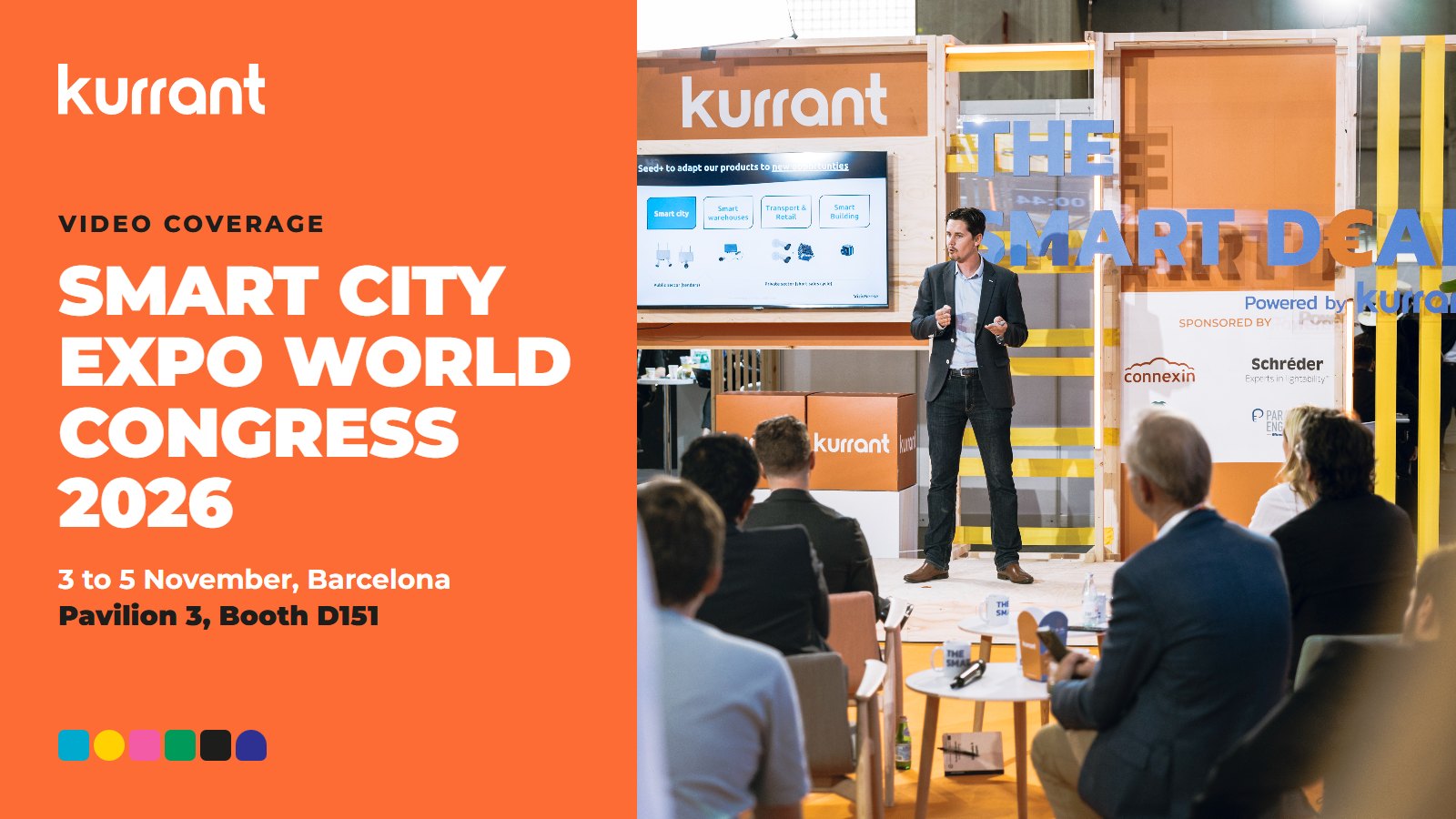
Meet  in Barcelona
 3 to 5 Nov 2026
Pavilion 3 · Booth D151
Our scheduleSchedule
Live from Barcelona · 1 videoLive
Book a meeting
in Barcelona
3 to 5 Nov 2026
Pavilion 3 · Booth D151
Our scheduleSchedule
Live from Barcelona · 1 videoLive
Book a meeting
← Back to all events
Smart City Expo World Congress Barcelona 2024
Challenges and Innovations: Norway’s Smart City Journey with Øyvind Såtvedt
📖 Read Video Transcript
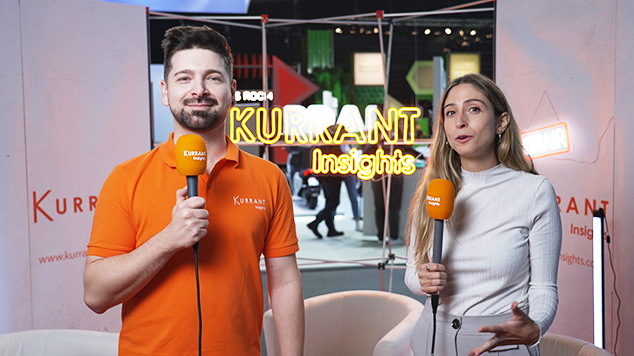
We’re back at the Kurrant booth, I'm here with Øyvind Såtvedt from the city of Oslo.
So challenges differ from country to country.
What are some of the challenges that Norway is experiencing?
I think I will mention three main challenges that we're looking at.
One, of course, is climate change, which affects us in two ways.
Both that we need to adapt to the changing climate, but also that we need to reduce CO2 emissions.
So that's one major, challenge.
Another, is demographic change.
We will get an elderly population.
We will have fewer young people working and, paying taxes, but also working in the, the welfare, production of the city.
And, the third thing I will mention is, social inclusion, because also, we have, quite big immigrant population, and we see that there are some challenges in integrating, people from other countries in our culture and, in the city.
So that's the third main challenge that we're looking at.
Wicked problems we call them.
The Nordic region is known for ambitious, carbon neutrality goals.
How are utilities and smart city initiatives working together to help reach those goals?
I think they're they're crucial in several ways.
When it comes to monitoring, for instance, the use of data to understand how we're doing.
We have, among other things, adopted a climate budget.
And for that, we need to, measure the CO2 emissions every year.
But we also use them in specific cases.
For instance, we have worked a lot with emission free building sites.
So, machinery that are zero emission machinery is now, the only things that we use in building sites, on the initiative from the from the city.
But we also have several other aspects.
And, we see that, it's very important for us, to learn from others to, to look at, how others are using technology initiatives in order to be, improving ourselves.
How important are, private public partnerships to advance smart city projects and smart utility projects?
Yeah, private public partnerships are really, crucial.
The public sector is not very well known for, you know, being innovative in itself.
We really need to, challenge the private sector to help us come up with good, new solutions.
And, I think, how the public sector and the city of Oslo in our case, uses procurement, for instance, in order to stimulate innovation is is really important.
Then we, we use that in, in several, respects.
We also look at how can we help agencies within the city, put aside resources to work together with private companies in order to innovate.
So we have a special grant, system, where we allocate resources from, a central, grant system to different agencies to help them cooperate with startups and other private companies to develop new solutions for us.
And this has been very useful.
And, solar panels, for instance, where we have developed a totally new system for solar panels, for the schools, for the public buildings within the city, together with, a startup company.
That's one example, but we have several examples of that.
The Nordic region often leads in smart city rankings.
What makes them different to the rest of the world?
I think perhaps, one thing is that we're early adopters when it comes to, making use of new technology.
Not only the public sector, but also the population.
So, since almost everybody has a smartphone, for instance.
It's easy for us to introduce new solutions, that include the population and making use of that.
And I think another issue is trust.
I think the public in the Scandinavian countries, they have put a lot of trust and, and the political system and the public system, system and that also, gives the possibility for cooperation between, the population and the city in our case and which key verticals are more advanced.
I would say mobility is probably the vertical that we are where we have come the farthest, we have a lot of emphasis on zero emission cars.
So now almost 100% of new cars sold in Oslo are electric cars.
And, that helps us a lot in reducing the emissions from, from the mobility sector, but also in public transport, for instance, the use of apps, new technology.
And also, other types of, of mobility.
We see that and we have made some progress.
Waste is a very important area, and I think we are struggling all the time with how to tackle waste in the best possible way, and, I think that's one of the areas that we'll be looking at in the years to come.
So obviously you can't export trust, but do you think that what makes you unique can be exported to the rest of the world?
I think, some of the things that we are doing, for instance, the the systemic approach to working with, smart solutions can absolutely be exported.
I mentioned the climate budget, which is one example of, innovation that we have introduced in the city.
The climate budget is like, financial budget, but it measures the CO2 emissions both from the public sector and the private sector.
And we are seeing that, through the C40 network of climate neutral cities, several other cities around the world have actually adopted, the climate budget after learning from Oslo in that respect, even Mumbai in India are now actually introducing a climate budget, and I think this is really interesting.
Do you mostly import knowledge or do you mostly focus and rely on local knowledge? well, of course it's natural to look at what are the innovators in your close surrounding is it's, easier to cooperate with them, but we're actually looking at how we can also work better together within the Nordics.
So we have just now, been working on a new strategy to connect the cities within the Nordics to get startups and, the cities to work together and learn, better from each other.
So, we also try to look outside our own markets and our own innovative milieus.
What is the next big goals in Norway?
Well, I can give you an example.
And that is, the need to attract talent.
As I mentioned, the demographic change is one of the challenges that we're working on.
And, we see that in order to, create value, increase the value creation from the private sector, we need to attract, talent from the rest of the world.
And we have been facing some bureaucratic issues in that it takes a long time after you actually, have the job until you can start work, because, all of the permits that you need in order to, to, open a bank account to get your ID, all those things takes a lot of time.
But we have adopted, a new system based on digital wallets, which reduces the time to get all these papers in order from, 37 weeks, which is the present situation. 2 to 3 days.
And it really makes us much more, compatible when it comes to attracting talent.
And I think this will be one important way of also connecting with, talented people that can help us solve the major issues that we're working on.
More Smart City Expo World Congress Barcelona editions


Recent event coverage
See all


Latest Kurrant Originals
See all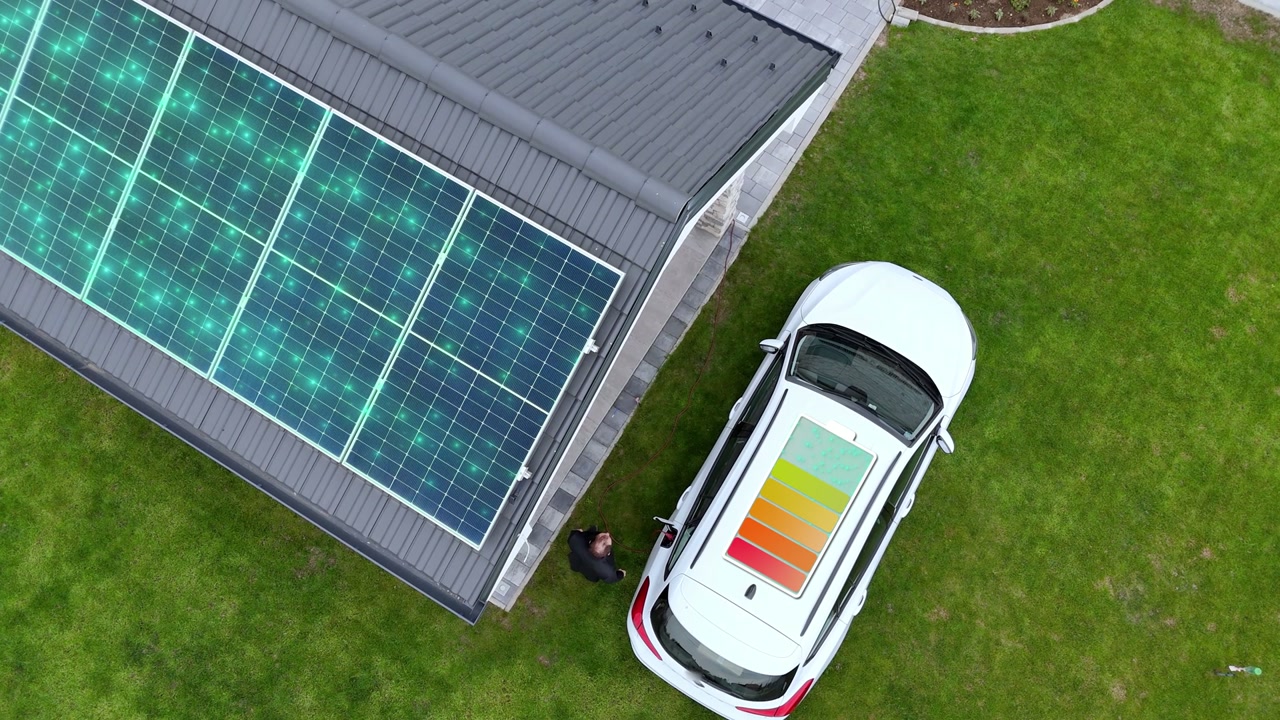

Latest news
All news- eThekwini Municipality Plans Citywide Smart Water Meter Rollout Against 58% Non-Revenue Water2 Nov 2026
- The Australian Renewable Energy Agency Funds A$4.1M JET Charge V2G Trial2 Nov 2026
- TALQ Consortium Releases Edition 5 Tender Template For Interoperable Smart Street Lighting31 Oct 2026
- City Of Zadar Selects ELIPSA For €197,900 Design Of Intelligent Transport System Phase Two31 Oct 2026
Kurrant advisory
Planning a smart city or utility project? Talk to Kurrant.
Behind these interviews is Kurrant's advisory team, working with utilities, cities and the companies that serve them.
- Strategy AdvisoryKurrant is actively involved in resolving the challenges that cities, utilities and industry players are facing.
- M&A AdvisorySmart city and utility expertise for successful deals, turning insights into strategic gains.
- Engineering & ProcurementBetter engineering and procurement decisions, by identifying and developing digital and IoT solutions across use cases.
Or write to us: contact@kurrant.com
Send us a message
© Kurrant. All Rights Reserved. · Editorial Standards · Cookie settings
This site is protected by reCAPTCHA and the Google Privacy Policy and Terms of Service apply.