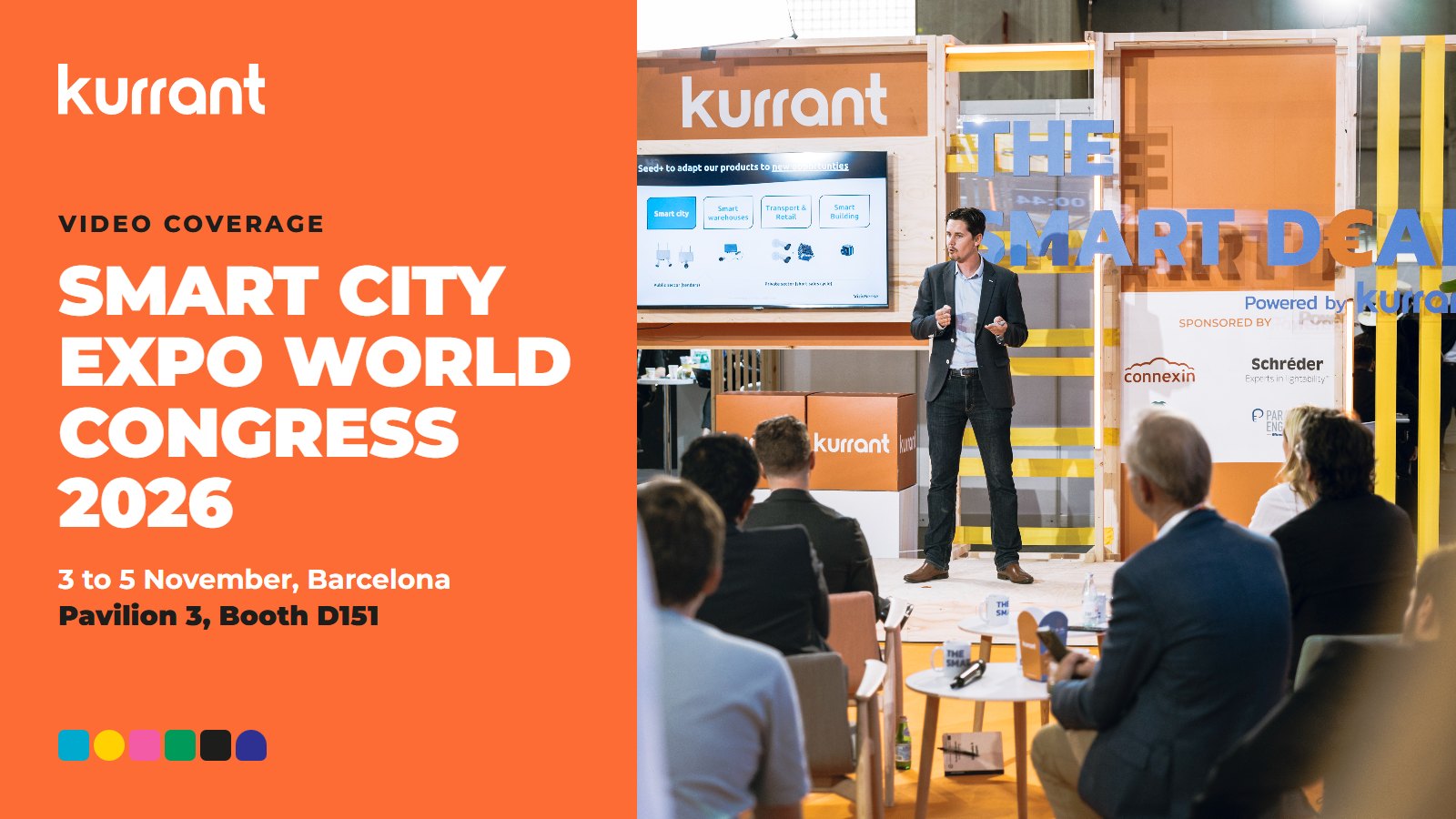
Meet  in Barcelona
 3 to 5 Nov 2026
Pavilion 3 · Booth D151
Our scheduleSchedule
Live from Barcelona · 1 videoLive
Book a meeting
in Barcelona
3 to 5 Nov 2026
Pavilion 3 · Booth D151
Our scheduleSchedule
Live from Barcelona · 1 videoLive
Book a meeting
← Back to all events
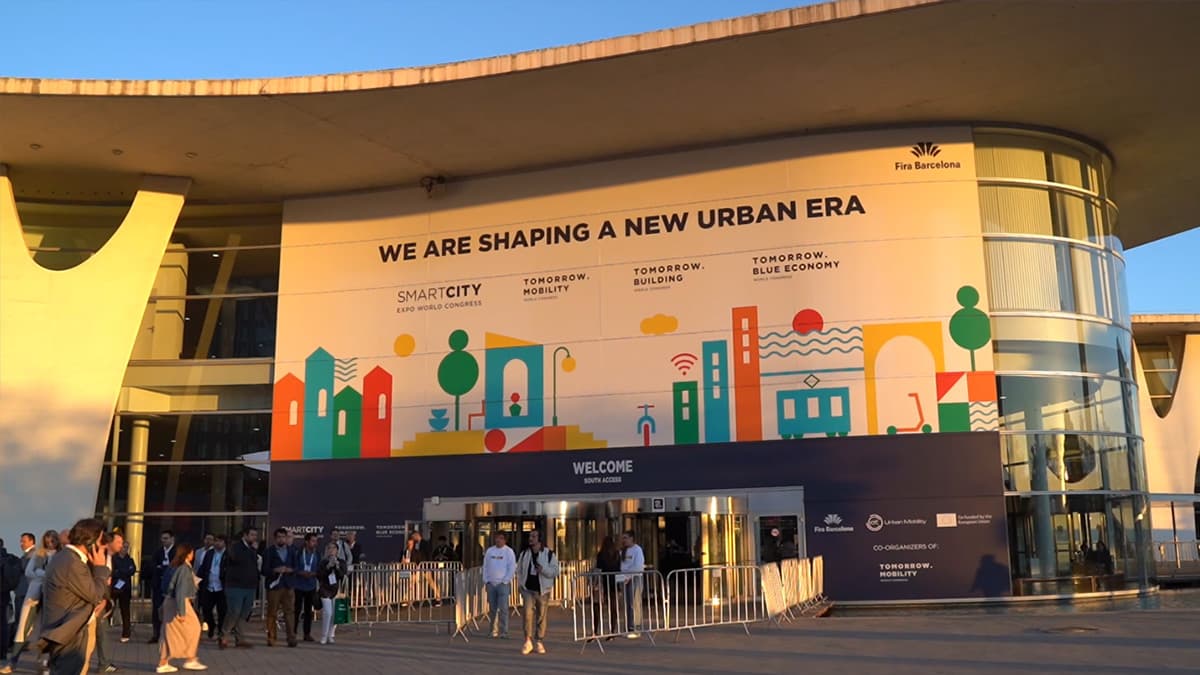
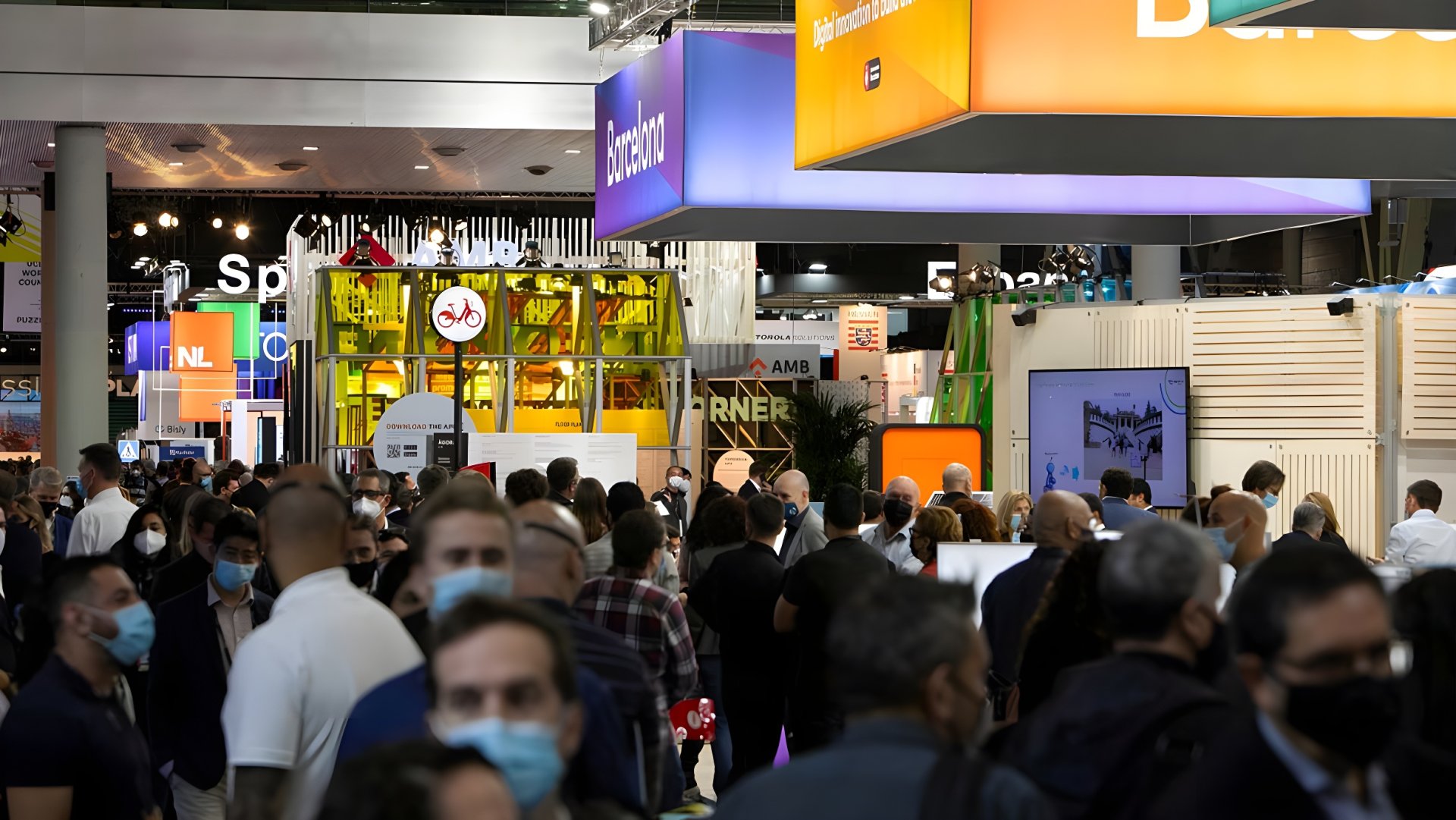
Smart City Expo World Congress Barcelona 2024
Fabrizio Rossi on Empowering Local Governments for Europe's Green Transition
📖 Read Video Transcript
CEMR is the largest organization, bringing together local and regional governments from 40 countries.
And, we have 60 national association with us, National Association of Local and Regional Governments.
This means that we do represent more or less 100,000 local governments and bringing together, almost 1 million local elected politicians from all over Europe.
The green transition is a very complex, task for, cities.
And the priorities depends very much on the size of the city, of the municipalities, on the specificities on the of the territories.
Urban areas do not have the same challenges, for instance, of, municipalities located in rural areas.
Very often the focus is mostly on waste management, It's on energy.
Of course it's on, on mobility.
But, we see more and more, the challenge is about, bringing all these pieces together.
We cannot work on these projects in silos.
The idea, really, and the challenge is really now how to look at all of this as, as part of the same system and try really to create strategies that do not create tensions between the the territories, strategies that do not produce a zero sum games at the end, a meaningful green strategy should only produce winners and not, winners here and losers there.
The most important challenges we have identified they are, related to funding, for instance, but also to regulations.
And this is, where we can really play a crucial role because we do represent local and regional governments.
We do represent their needs, their point of view in front of the European institutions.
So we want really that the point of view of local leaders is well represented in the policymaking of the European Union.
And this is our role.
This is what we strive for.
This is what, we do on everyday basis.
We do represent really local and regional governments in the policymaking at the European level.
And we ask very clearly for introduce, including local regional governments in the policy making since starting really with the with the designing phase.
They are not just implementers of policies.
They should be sitting at the same table where when the policies started being created, when the policies started being crafted at the European level.
This is a very good question because, of course, digital is a very is a priority and is a very transversal dimension that is, is cross-cutting on on many topics, from waste to energy to retrofitting and buildings.
Yet I think that, what we have seen here is this, that this.
Societal dimension of this, this digital, innovation is a bit overlooked.
So I think we need really more and more digital solutions that are really looking at the need of people, the need for instance of women.
We've been discussing today, gender violence.
And this is really where we have to place our efforts when we have to invest in producing digital solutions that can solve those societal challenges that we are facing together.
Because at the end, the green transition is, first of all, a democratic challenge is a challenge for our democracy.
We can only win this if we are all together, and if we can also bring all those groups that are sometimes a bit, out to say forgot.
If we are also able to bring them together within this journey, that will lead us to the green transition.
Well urban is definitely a dimension where, local governments are investing a lot, urban transports, energy is also one of those from our perspective, is it's really important to underline that, we have clear data showing that at least 70% of investments in green projects, they are channeled though local and regional governments.
This is a very important data, because somehow there is always the perception that is the national governments creating these, green infrastructure, very large infrastructures.
The reality is that very often there are municipalities and regions behind those investments. 70% of the investments on green projects Europe, they are made by local and regional governments.
We also know that today local regional governments, they are responsible for 90%, more or less of the, all the actions and policies related to climate, mitigation.
And the almost 70% are the policies focusing on climate adaptation.
So they are indeed a very crucial actors within this, green transition.
I think it can vary a lot.
We know, for instance, here, you know, Barcelona and the Catalonia region is of course, very active.
Then on some specific, dimensions, we see like Germany and local governments in, in Germany, for instance, on energy investing, a lot, driving really massive investments in energy and in clean energy.
And we also see, of course some local governments playing a strong role, in the Nordics when it comes to green investments.
It also depends a lot on the competencies that we are giving to those local governments.
The more competencies they have, the more important they are within the national government framework, the more, of course, they are making investments into the green transition.
More Smart City Expo World Congress Barcelona editions

Recent event coverage
See all


Latest Kurrant Originals
See all


Latest news
All news- eThekwini Municipality Plans Citywide Smart Water Meter Rollout Against 58% Non-Revenue Water2 Nov 2026
- The Australian Renewable Energy Agency Funds A$4.1M JET Charge V2G Trial2 Nov 2026
- TALQ Consortium Releases Edition 5 Tender Template For Interoperable Smart Street Lighting31 Oct 2026
- City Of Zadar Selects ELIPSA For €197,900 Design Of Intelligent Transport System Phase Two31 Oct 2026
Kurrant advisory
Planning a smart city or utility project? Talk to Kurrant.
Behind these interviews is Kurrant's advisory team, working with utilities, cities and the companies that serve them.
- Strategy AdvisoryKurrant is actively involved in resolving the challenges that cities, utilities and industry players are facing.
- M&A AdvisorySmart city and utility expertise for successful deals, turning insights into strategic gains.
- Engineering & ProcurementBetter engineering and procurement decisions, by identifying and developing digital and IoT solutions across use cases.
Or write to us: contact@kurrant.com
Send us a message
© Kurrant. All Rights Reserved. · Editorial Standards · Cookie settings
This site is protected by reCAPTCHA and the Google Privacy Policy and Terms of Service apply.