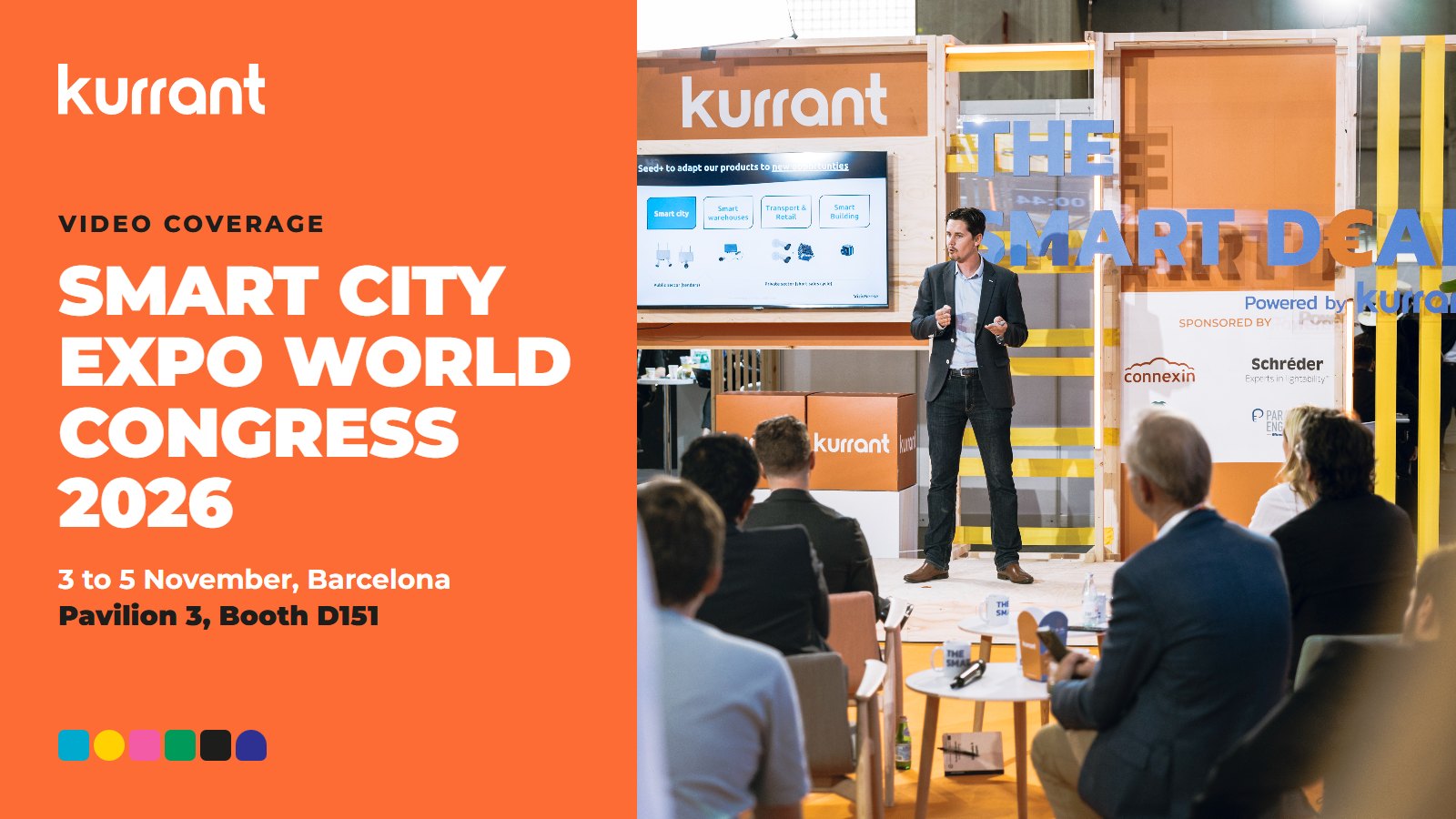
Meet  in Barcelona
 3 to 5 Nov 2026
Pavilion 3 · Booth D151
Our scheduleSchedule
Live from Barcelona · 3 videosLive
Book a meeting
in Barcelona
3 to 5 Nov 2026
Pavilion 3 · Booth D151
Our scheduleSchedule
Live from Barcelona · 3 videosLive
Book a meeting
← Back to all events
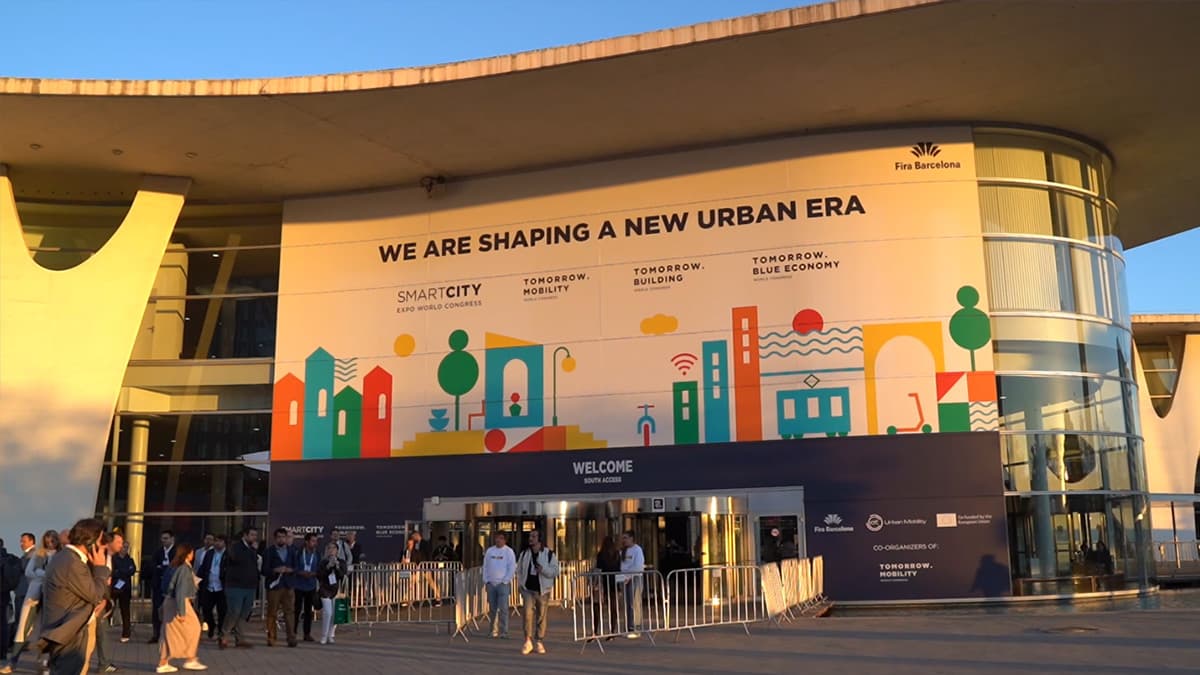
Smart City Expo World Congress Barcelona 2024
Mobility Insights: Asta Kazlauskienė on Lithuania’s Ecosystem
📖 Read Video Transcript
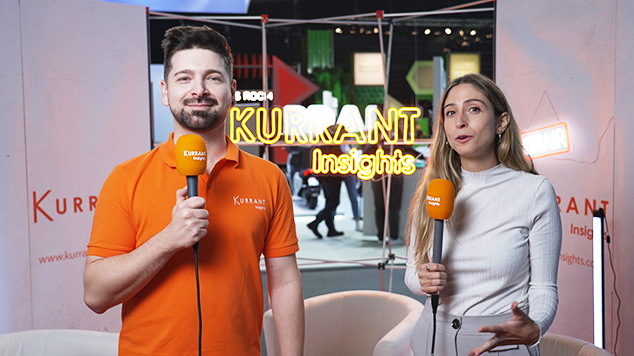
I'm here with Asta Kazlauskienė from Lithuania.
We're going to be discussing mobility, the mobility ecosystem in Lithuania.
And she is from TIA.
First of all, I would like to tell you a little bit about our association because, you know, when you're talking about ecosystems, there are many layers on that.
So when we established our association four years ago, our idea was to connect the transportation and logistics companies with digital services providers, startups, and to develop some new systems, to be more digitalized, to do some advanced things.
Because, Lithuania was well known as a fintech country, but transportation sector, it wasn't so much advanced.
And, now we have about 100 members in our association.
And they are very diversified.
We have transportation companies, logistics companies.
We have IT service providers.
We also have urban mobility service providers, charging infrastructure service providers, but also we have lawyers, we have insurance companies.
And this is, like our advantage.
Because if you have some idea, we need to test, we have many companies which we can connect together and to get some solutions to get some, proof of concept.
So this is the first layer of ecosystem.
Second layer is that we established, a very good cooperation with public organizations.
We are cooperating very, good with our transport and communication ministry.
We have good cooperation examples with municipalities and different cities.
This is important.
And after that next layer, our cooperation with international organizations like EIT Urban Mobility and many others.
We are doing big Horizon projects, safe projects and many other, funded by European Union.
You know, I think it's quite similar challenges with other cities.
But if you're talking about Lithuania, 80% of trips are performed by cars in Lithuania, in Vilnius, in our capital, it's about 50% of trips are performed by car.
So I think it's a big challenge to change mindsets and to have better infrastructure to have good digital solutions.
Apps, which would be helping people to change their habits and to move to public transport.
So we need to do quite many things because, we need to develop very well functioning mobility hubs and almost all these things must be combined with digital solutions.
And next year, the company which is responsible for public transportation in Vilnius, are planning to have united apps.
So I think these are solutions which we need now as soon as possible in bigger cities to do this transition to have more sustainable cities to move towards zero emissions.
When we are talking about cooperation, we, as an association mainly see our role as the connector.
We are connecting our members, taking some information from them and bringing it to municipalities, bringing to ministry.
A good example is participation in the Horizon project.
And, our municipality, Vilnius municipality participates in Horizon project, which can help them to do pilots with autonomous, public transport.
And now they are doing this in Vilnius for two months.
And it's quite interesting.
They get many insights about also public acceptance.
How is the acceptance?
Has acceptance increased of autonomous vehicles.
Also about technical solutions.
What can be done better.
So I think it's got quite many, interesting ideas.
They can come cooperating, and connecting, and different efforts from public, from private sector and doing some best of a pilot. and after that expanding all these operations.
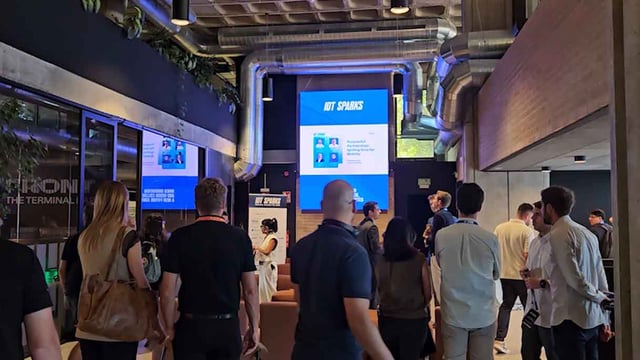
More Smart City Expo World Congress Barcelona editions

Recent event coverage
See all


Latest Kurrant Originals
See all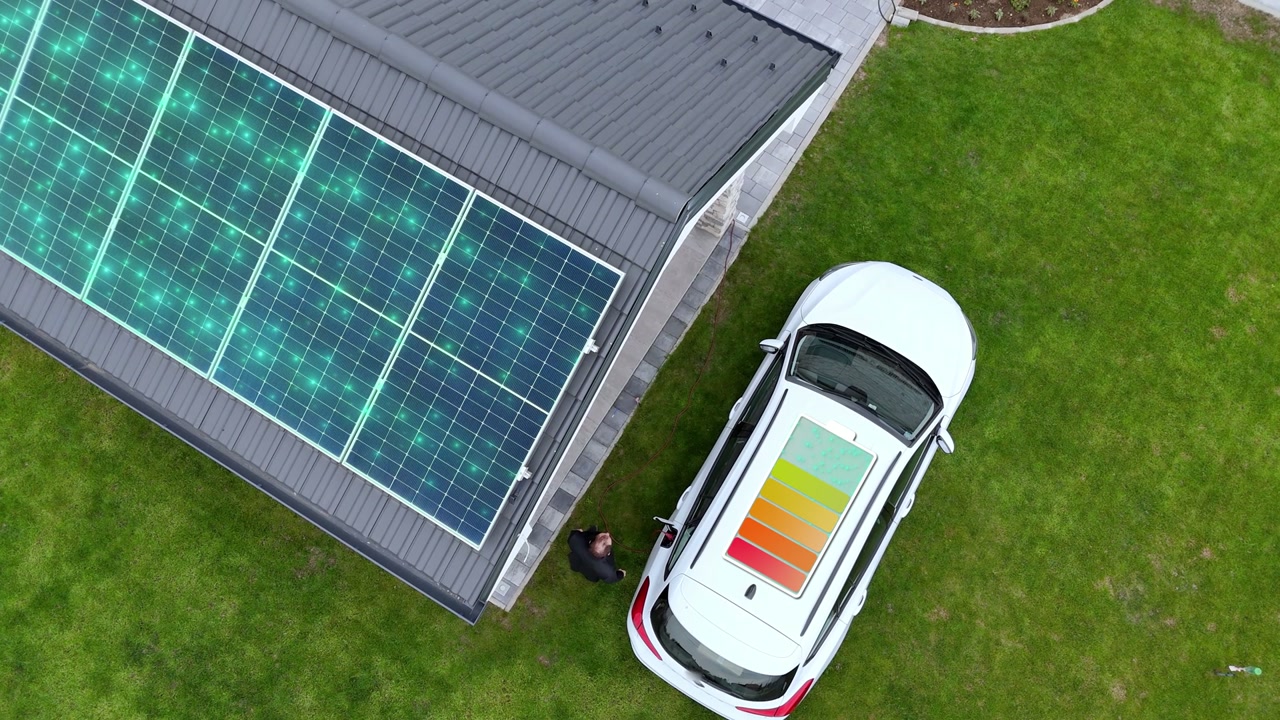
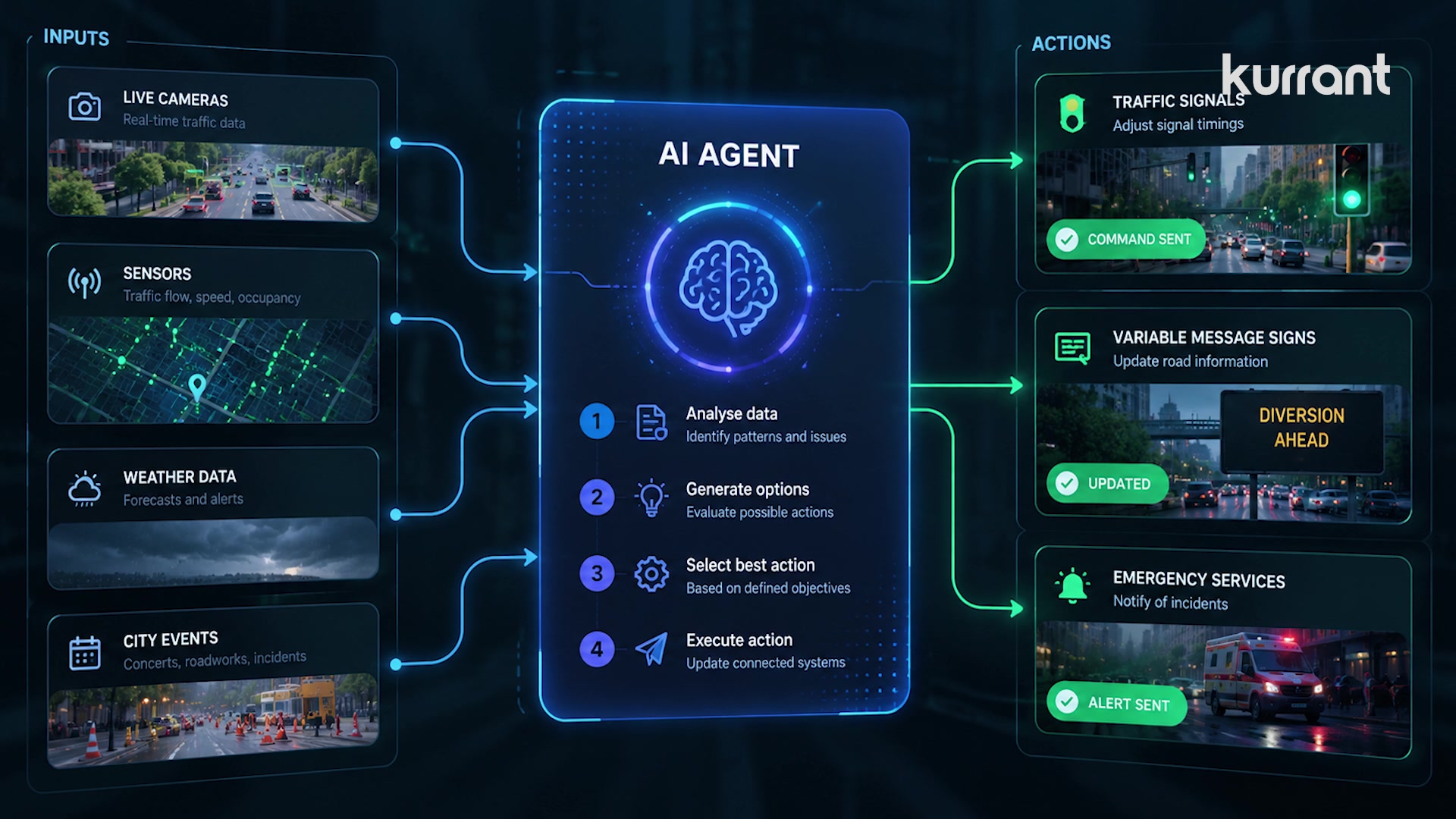

Latest news
All news- eThekwini Municipality Plans Citywide Smart Water Meter Rollout Against 58% Non-Revenue Water2 Nov 2026
- The Australian Renewable Energy Agency Funds A$4.1M JET Charge V2G Trial2 Nov 2026
- TALQ Consortium Releases Edition 5 Tender Template For Interoperable Smart Street Lighting31 Oct 2026
- City Of Zadar Selects ELIPSA For €197,900 Design Of Intelligent Transport System Phase Two31 Oct 2026
Kurrant advisory
Planning a smart city or utility project? Talk to Kurrant.
Behind these interviews is Kurrant's advisory team, working with utilities, cities and the companies that serve them.
- Strategy AdvisoryKurrant is actively involved in resolving the challenges that cities, utilities and industry players are facing.
- M&A AdvisorySmart city and utility expertise for successful deals, turning insights into strategic gains.
- Engineering & ProcurementBetter engineering and procurement decisions, by identifying and developing digital and IoT solutions across use cases.
Or write to us: contact@kurrant.com
Send us a message
© Kurrant. All Rights Reserved. · Editorial Standards · Cookie settings
This site is protected by reCAPTCHA and the Google Privacy Policy and Terms of Service apply.