Meet  in Barcelona
 3 to 5 Nov 2026
Pavilion 3 · Booth D151
Our scheduleSchedule
Live from Barcelona · 1 videoLive
Book a meeting
in Barcelona
3 to 5 Nov 2026
Pavilion 3 · Booth D151
Our scheduleSchedule
Live from Barcelona · 1 videoLive
Book a meeting
← Back to all events
Smart City Expo World Congress Barcelona 2024
Julia López Ventura on Tackling Climate Challenges with Technology and Policy
📖 Read Video Transcript
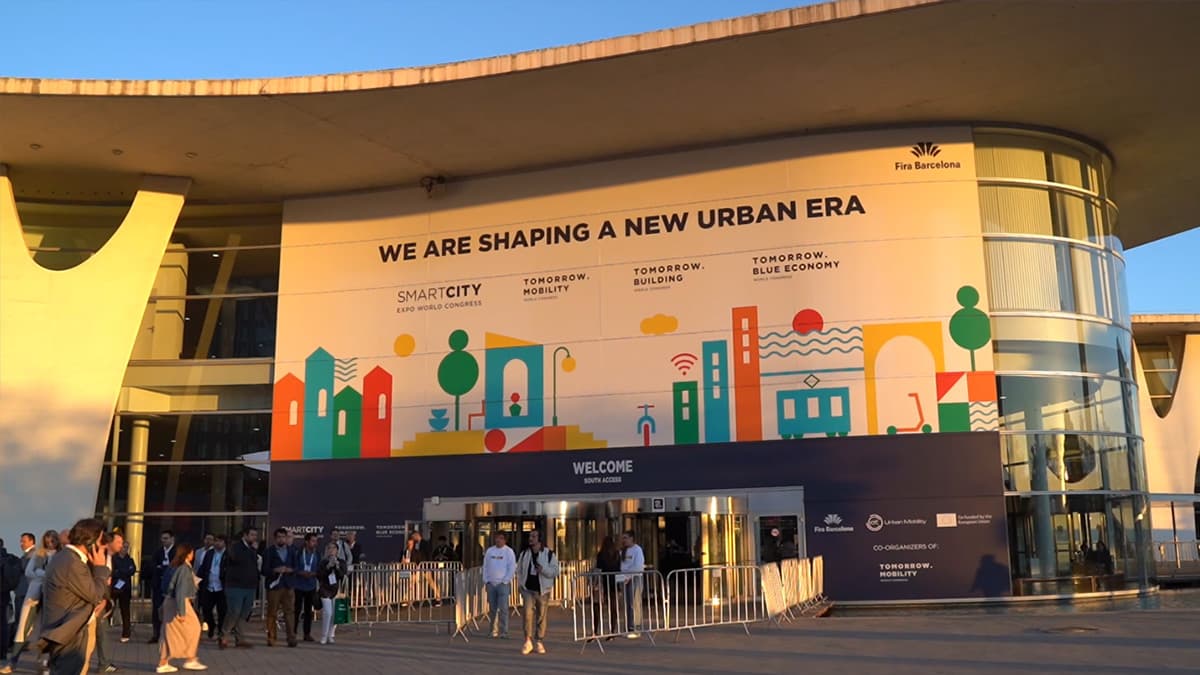
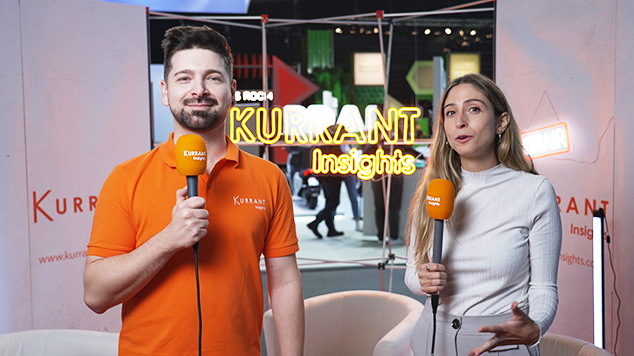
Hello from the Kurrant booth at the Smart City Expo World Congress in Barcelona.
I'm here with Julia Lopez Ventura, the director for Europe at C40 cities.
Hello, Julia.
My first question has to be related to what happened in Valencia last week.
So we saw many floodings and I was wondering, how is the international community facing this issue in terms of digital solutions?
Thanks for this question.
As a Spaniard myself living abroad, it's, it's been terrible to see the news of what has happened in Valencia.
And also, thank you for making it clear that extreme weather events will only increase with time.
It is a consequence of our lifestyle and, how we have been living in this, in this world, emitting emissions that caused climate change.
Climate change is already here.
And as you said Emma, extreme weather events like flooding, but also heatwaves, droughts, will only increase.
We will see an increase in the periodicity of these events.
What we also see is that citizens are increasingly aware of these risks.
And there is a big gap between the perception of these extreme weather events and the action of communities and governments at all levels.
At C40, as I said, we work with mayors globally, the mayors that are governing the bigger cities and together with their commitment, we are supporting them to do more and do better.
The mayors of C40 are totally aware that climate change is already here, and they are delivering policies and actions to protect the communities from these risks.
There is a role that technology can play to help in climate action, particularly around cities and in the metropolitan areas, like what we've seen in Valencia.
For us, what is important is that the communities, the governments, we all recognize that climate change is here and that risks are included in policymaking, which is not always the case.
It is important that cities start analyzing what are the risks that their communities are exposed to, because not all communities are exposed to the same risks.
And once you have this information, it is important to include these risks into policymaking.
Once you have done this, you can work with the communities, work with stakeholders, work with the ecosystem to help bring in these solutions.
It is equally important to understand that when it comes to climate change, we need to mitigate greenhouse gas emissions, and this includes decarbonizing our lifestyles, our economy, but also adapt to the climate change effects that are happening now.
It's not futurist futuristic scenario.
Climate change is already happening, as we saw last last week in Valencia unfortunately.
To be more concrete, what type of solutions can we adopt there is lots that the ecosystem can do in the major areas that need to be decarbonized in the next few years, starting, for example, with buildings and energy, renewables will be, an increasing economic area in the next few years and decades where technological, and industry can play a role.
Buildings efficiency, how to work to monitor the efficiency, the energy consumption in buildings and monitor these efficiency will be an increasing, area as well.
In the mobility sector, decarbonizing transport system, both private and public, will be important and equally supporting the electrification of the fleets.
And this is another area that will be increasingly important in the next few years.
Why is it still taking cities so long to turn to these digital solutions?
What's the issue there?
So bringing solutions, easy and in an affordable way.
It's very complicated.
We need to take action and decisions now to protect the communities in the next few years, but also the future communities.
It's a question of building policies, strong policies, that include these risks.
As I was mentioning earlier, but also identifying the funds to implement all these changes, they will not come tomorrow, but we need to start thinking about what will the future be like now and start up taking actions also now, and we will start seeing the fruits of these actions in the next few years to come.
Building hard infrastructure. requires also some meditation, taking into account many factors.
What we don't want our governments to make rushed actions and rash decisions, without taking into account all the factors, without factoring in climate change, but also the residents in these areas that are affecting what are the needs of these residents?
The issues that they have in Thailand are not the same as the ones they have in Canada.
So why is it important to keep the international community connected and talking to each other?
It's true that climate change is affecting unequally cities globally.
What's happening in Jakarta might be different from what's happening in Oslo, for example, but climate change will end up affecting us all.
What is important is that we understand how will climate change affect us, and that we start delivering policies that protects residents and communities from these adverse climate change effects.
And, it's also important that, organizations like C40 bring together different voices from different countries to make the case for climate change, continue raising their voices about the situation in their cities, regardless of where they are in the world.
Seven out of every ten mayors are telling us that their city is already facing severe extreme weather events.
I think it is important that mayors, they united in what could be one of the most important challenges of humanity in the next few years, and that they set the tone and the path for what needs to be done when it comes to urban climate action, but also equally important, to engage the communities and the stakeholders working with the cities.
Cities.
Mayors cannot deliver climate action alone.
They need technological systems to come and support them in the major areas to be decarbonized in the future, which are renewables.
So energy, buildings, increasing energy efficiency and helping in the electrification of the transport systems.
More Smart City Expo World Congress Barcelona editions



Recent event coverage
See all


Latest Kurrant Originals
See all
Latest news
All news- eThekwini Municipality Plans Citywide Smart Water Meter Rollout Against 58% Non-Revenue Water2 Nov 2026
- The Australian Renewable Energy Agency Funds A$4.1M JET Charge V2G Trial2 Nov 2026
- TALQ Consortium Releases Edition 5 Tender Template For Interoperable Smart Street Lighting31 Oct 2026
- City Of Zadar Selects ELIPSA For €197,900 Design Of Intelligent Transport System Phase Two31 Oct 2026
Kurrant advisory
Planning a smart city or utility project? Talk to Kurrant.
Behind these interviews is Kurrant's advisory team, working with utilities, cities and the companies that serve them.
- Strategy AdvisoryKurrant is actively involved in resolving the challenges that cities, utilities and industry players are facing.
- M&A AdvisorySmart city and utility expertise for successful deals, turning insights into strategic gains.
- Engineering & ProcurementBetter engineering and procurement decisions, by identifying and developing digital and IoT solutions across use cases.
Or write to us: contact@kurrant.com
Send us a message
© Kurrant. All Rights Reserved. · Editorial Standards · Cookie settings
This site is protected by reCAPTCHA and the Google Privacy Policy and Terms of Service apply.